
Automotive Locksmith
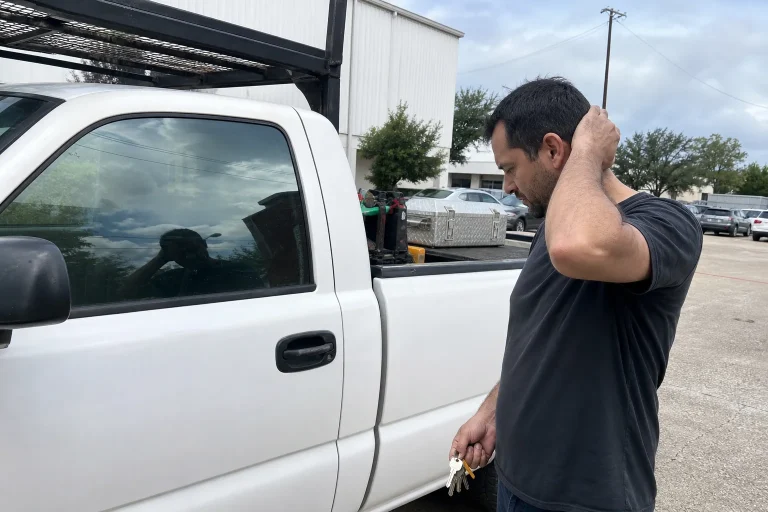
Work Truck Lockout or Lost Key? What Contractors Should Plan For
Locked out of a work truck or missing its key? Gather the truck details, proof of authority, location, and safety concerns before calling for help.
License Number: B09416401
Car key extraction In Houston by Scorpion Locksmith. Fast arrival, damage free removal from ignition or door, upfront pricing and new keys cut on site. Call now

Car key extraction in Houston removes a broken key or trapped key fragment from a vehicle’s ignition, door, or trunk lock. Scorpion Locksmith helps Houston, TX drivers assess the problem, remove the obstruction using suitable tools, and identify whether the lock or key needs further work before use.
Stop turning, pushing, or probing the lock after a key breaks. Extra pressure can move the fragment farther into the cylinder or damage the small components that control its movement.
Is a piece of the blade still sticking out? Leave it where it is rather than twisting it with pliers. A visible fragment may offer access for an extraction tool, but squeezing or bending it can make removal harder.

Keep the lock undisturbed while arranging help.
If the vehicle is in a traffic lane or another unsafe spot, focus on personal safety first. A broken key can wait while you move away from traffic and request appropriate roadside help.
Car key extraction removes broken metal from a lock without treating removal as the whole diagnosis. Once the fragment is out, the next question is why the key broke and whether the cylinder still works properly.
A broken blade can lodge in a door lock, ignition cylinder, or a keyed trunk lock. It can sit near the opening or farther inside, where its position is harder to judge without inspection.
These symptoms do not always call for the same work. A vehicle that does not recognize its key may have an electronic issue rather than a fragment blocking the lock. Describing the symptom helps us discuss the right next step.
A broken ignition key needs careful assessment because the cylinder’s position can affect removal. The steering lock, gear selector, and internal wear may also influence how the key behaves.
Did the key snap while you were turning it, or while pulling it out? That detail helps explain whether the blade broke under twisting force or became trapped during withdrawal.
For a parked vehicle with an automatic transmission, confirm that the selector is fully in Park if you can do so safely. Do not force the shifter or ignition to test a theory.
During inspection, we look at the fragment’s position and whether the cylinder can accept an extraction tool. Some situations require access beyond the key opening, which should be discussed before proceeding.
Removing broken metal does not automatically solve a worn ignition. If the cylinder binds afterward, using another key with more force could lead to another break.
A broken key in a door or trunk lock requires attention to both the fragment and the lock’s condition. These cylinders can collect grit, develop corrosion, or become stiff after long periods without use.
Many drivers rely on a remote until its battery stops working. The mechanical lock may then resist a key that has not been used there for months.
If a blade breaks in the driver’s door, avoid testing the blocked cylinder with another key. If another door opens normally, use that access without disturbing the damaged lock.
A keyed trunk lock can also bind when the latch is under pressure. Do not pry the trunk lid or pull hard on the key to make it release.
After extraction, the cylinder and latch may need separate checks. A lock that turns without releasing the door or trunk may have a linkage problem rather than another piece of metal inside.
A key often shows wear or resistance before it breaks. Repeated twisting, a bent blade, damaged cuts, and internal lock wear can all contribute to failure.
Think back to the last few times you used the key. Did it need extra jiggling, or did you have to pull it slightly outward before it would turn?
A heavy key ring can add strain to some ignition assemblies, though it is not the cause of every failure. Reducing unnecessary weight is sensible, but an already stiff lock still needs attention. Your ignition should not double as storage for every key you own.
Improvised extraction attempts can damage the keyway or push broken metal beyond easy reach. The narrow opening leaves little room for error, especially when the fragment sits below its edge.
Glue is a common temptation because reconnecting the pieces sounds simple. Inside a lock, adhesive can spread onto moving components and create a second problem.
Tweezers and pliers may slip or squeeze the fragment against the cylinder. Paper clips and wire can also bend inside the opening, leaving more material to remove.
Do not add lubricant unless a locksmith recommends a suitable product for that cylinder. Tell us if you have already used a spray or attempted removal, since that information helps guide the inspection.
Scorpion Locksmith begins by checking the broken key, the affected lock, and the symptoms you report. The goal is to choose a suitable removal method rather than force the fragment through resistance.
For car key extraction in Houston, the work depends on the vehicle and the condition of its cylinder. Access, fragment position, and previous removal attempts can change the approach.
We explain what the inspection shows before moving beyond extraction.
The next step should address the actual condition, not an assumption based only on the broken key.
The time needed for extraction depends on how the key broke and how easily the fragment can be reached. A visible piece in an undamaged cylinder presents a different task from a twisted blade inside a worn ignition.
Vehicle details help us discuss the situation, but an inspection may still be needed to judge the work. A photo can show a visible fragment, though it cannot show every internal obstruction.
Houston traffic and your location also affect arrival planning. When you call, ask about current availability and an arrival estimate rather than assuming a fixed response time.
You will need a sound, compatible key once the broken fragment is out. Extraction clears the obstruction, but it does not restore the strength or shape of a damaged blade.
Keep both pieces if possible and show them to the locksmith. They may help assess the break, though a damaged key is not always a reliable pattern for a replacement.
If you have a spare, bring it to the vehicle. Before testing it, the cylinder should be checked for remaining metal or other problems.
Some vehicle keys include a transponder chip, while others combine a metal blade with remote buttons. Cutting a blade and making the vehicle recognize a key are separate tasks on many models.
When calling Scorpion Locksmith, mention whether you need extraction only or help with a replacement key too. Share the year, make, and model so we can discuss what work may be possible for your vehicle.
A few accurate details help us understand the job and locate your vehicle. You do not need to diagnose the lock yourself or take anything apart.
For a garage, include the floor number, entrance, and any access restrictions. For an apartment complex, provide the building number and instructions for reaching the vehicle.
Have identification and proof that you are authorized to access the vehicle available. Ask what documentation is needed when scheduling, especially if the registration is locked inside.
Your surroundings can affect access to the lock and the space available for extraction. A vehicle parked close to a wall may leave little room to work at the driver’s door.
Across Houston, Texas, useful location details for a car locksmith visit include garage entrances, gate access, nearby cross streets, and business names. A street address alone may not identify the correct entrance to a large property.
If you are parked outside during heavy rain, avoid covering the keyway with tape or putting objects inside it. Tell us about the exposure and leave the lock undisturbed.
During hot Texas weather, choose a safe place to wait rather than remaining in an uncomfortable vehicle. Keep your phone available so you can provide directions or receive service updates.
If a child, vulnerable person, or pet is trapped inside and may be in danger, contact emergency services immediately. That situation calls for urgent safety action, not routine scheduling for broken key removal.
The lock should operate with a suitable, undamaged key after extraction, unless another fault remains. Any sticking, rough movement, or unusual resistance deserves attention before you resume regular use.
A controlled check is more useful than repeatedly turning the key to see whether it improves. If resistance returns, stop and explain exactly where in the movement it happens.
Do not straighten a cracked key and put it back on your ring. Metal that has already weakened may fail again.
If both your main key and spare bind, the cylinder may need closer attention. Repeated trouble should not become part of your daily driving routine.
Gentle use and early attention to stiffness can reduce avoidable strain on a car key. A key should operate its lock without serving as a handle or pry tool.
Keep your spare somewhere accessible, but not inside the locked vehicle. Check its condition before you need it during an unexpected problem.
If your remote stops working, inspect the backup blade before using it. A rarely used key can still be damaged, and a rarely used door cylinder can still be stiff. Neither benefits from extra force.
Scorpion Locksmith can help you take the next step when broken metal blocks your vehicle’s lock. Tell us what happened, where the vehicle is parked, and whether you also need help with a usable key.
For car key extraction in Houston, call (281) 623-1517 or use our contact page. Ask about current availability and describe any safety or access concerns before the visit.
Leave the fragment in place, keep the broken pieces, and avoid another test with pliers or glue. A clear description and an undisturbed lock give us a better starting point for assessing the problem.
Car key extraction is the removal of a broken or stuck key from your car’s lock or ignition.
Yes, Scorpion Locksmith can safely remove keys stuck in your ignition.
Scorpion Locksmith uses tools and techniques designed to minimize the risk of damage.
Response times vary by location and availability, but they aim to assist as quickly as possible.
Avoid trying to remove it yourself and contact Scorpion Locksmith for assistance.
Not always; in many cases, the lock can still be used after safe key extraction.
Yes, Scorpion Locksmith can help you get a replacement key if needed.
No, Scorpion Locksmith offers mobile services and can come to your location.
They work with most makes and models, both foreign and domestic.
You can reach out by phone or through their website to request assistance.
Locked out of a work truck or missing its key? Gather the truck details, proof of authority, location, and safety concerns before calling for help.
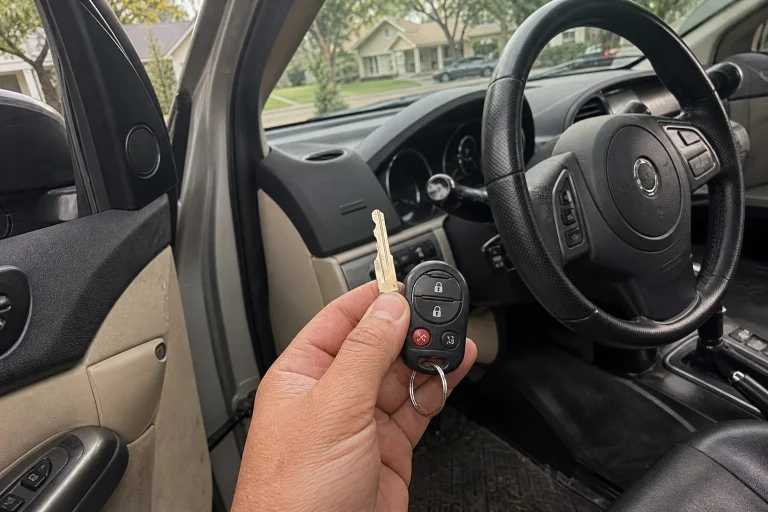
If you have one working car key, making a spare now can help you avoid a last-key emergency and give you time to check that every function works.
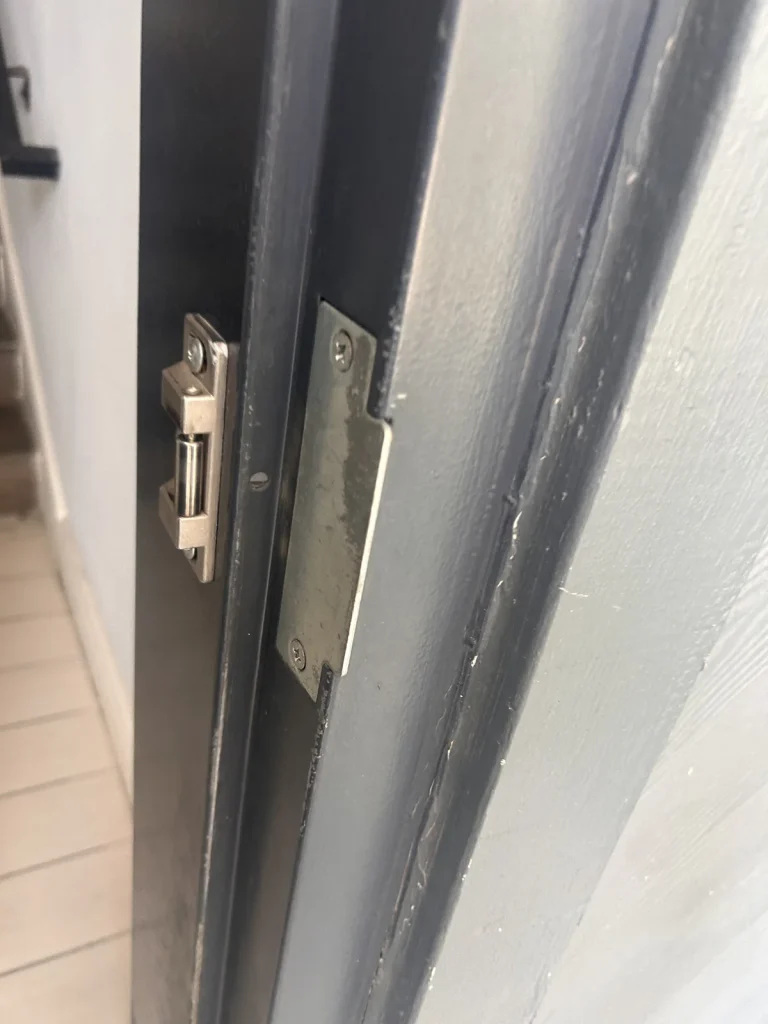
If your key goes in but the ignition won’t turn, check steering wheel tension, shifter position, and a spare key before you force anything. Repeated binding may point to a worn key or ignition hardware that needs inspection.