
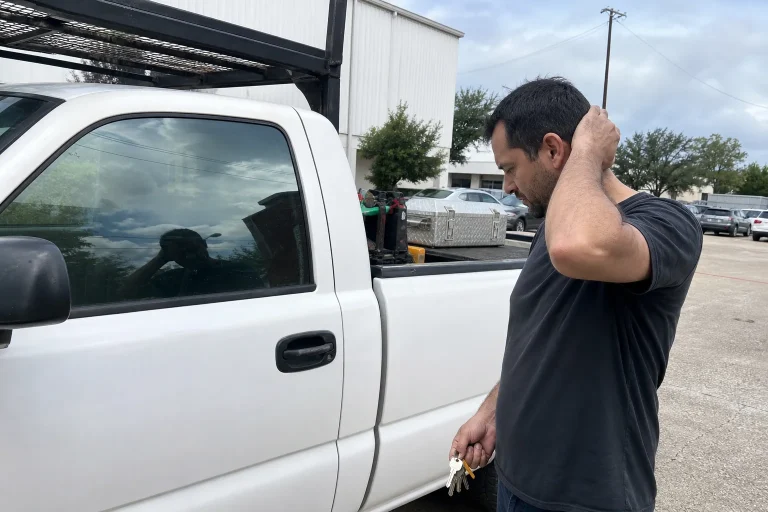
Automotive Locksmith
Work Truck Lockout or Lost Key? What Contractors Should Plan For
Locked out of a work truck or missing its key? Gather the truck details, proof of authority, location, and safety concerns before calling for help.
License Number: B09416401
Safe installation & repair In Houston by Scorpion Locksmith. Licensed experts for bolt downs combo changes damage free openings same day 24 7 service. Call now
Safe installation and repair for Houston homes and businesses covers secure placement, anchoring, lock service, and access problems. Scorpion Locksmith helps Houston, TX, homeowners and businesses address safes that need installation, combination changes, or repairs. We assess the safe, explain the next steps, and help you use it with greater confidence.
The right service depends on your safe’s construction, condition, and intended use. A small document safe needs a different approach than a heavy gun safe or a business depository safe.
At Scorpion Locksmith, we begin by asking what you need to secure and what problem you are experiencing. Is the safe new, already installed, locked shut, or becoming harder to use? Those details help us plan the visit without making assumptions.
Safe installation & repair can involve more than the lock itself. Door hinges, bolt movement, mounting hardware, power connections, and surrounding surfaces may also affect operation.
Tell us whether the safe has a dial, keypad, or key-operated lock. A brand name, model number, and clear photo of the outside can help us understand the job before we arrive.
A good safe location balances security, structural support, access, and exposure to moisture. The most hidden spot is not always the most practical spot.
Think about how often you need the contents. A safe used for daily business deposits should be accessible to approved staff without being visible to every visitor.
For unusually heavy safes or upper-floor placement, structural advice may be needed. We can discuss installation requirements before you commit to a spot that creates avoidable problems.

Safe anchoring should follow the manufacturer’s instructions and suit the supporting surface. Weight alone does not prevent a safe from being moved.
Many safes include factory mounting holes, but not every model accepts the same installation method. We assess the mounting provisions and the floor or wall before deciding how to proceed.
Concrete requires special care, particularly where post-tension cables, plumbing, or electrical lines may be present. We do not treat an unknown slab as a clear drilling area.
Drilling new holes through a safe body can affect its protective construction.
That is not a shortcut to take without manufacturer guidance.
Resistance, delayed responses, and inconsistent locking are reasons to have a safe checked. Waiting until it stops opening can turn a manageable issue into a more disruptive service call.
Watch for changes in normal operation. A handle that suddenly needs extra force or a dial that feels different deserves attention, even if the safe still opens.
Does opening the safe now require a special wiggle? That little routine is useful information for us, not something you should have to keep perfecting.
An electronic safe lock may stop responding because of battery trouble, worn buttons, connection problems, or an internal fault. A silent keypad does not automatically mean the whole lock needs replacement.
Check the manufacturer’s instructions before replacing batteries. Use the specified battery type, and do not mix old and new batteries unless the instructions expressly permit it.
Some locks enter a temporary penalty period after incorrect entries. Repeated guessing can extend the interruption, so stop and confirm the correct operating steps.
Tell us what happens when you enter the code. Beeps, lights, error messages, and the absence of any response can each help narrow the problem.
Avoid pulling on keypad wiring or trying an unapproved external power source. If there is heat, corrosion, or visible damage, stop using the lock and call for service.
Mechanical safe locks can develop trouble from wear, impact, door pressure, or internal misalignment. The correct repair starts with identifying which component is causing the resistance.
A dial lock requires a specific turning sequence. If the safe recently changed users, confirm that the person operating it has the correct instructions before assuming the lock has failed.
Key-operated safes can have bent keys, worn cylinders, or debris near the key opening. Forcing a key can leave you with both a lock problem and a broken key.
Do not spray household oil into a dial, keypad, or safe lock. Products intended for other hardware may collect dirt or affect internal components.
Describe whether the problem happens every time or only occasionally. Also mention any recent move, impact, or attempt to force the handle.
A locked safe needs an opening plan based on its model, lock condition, and ownership verification. Scorpion Locksmith assesses the problem before discussing an appropriate access method.
We may request identification and proof that you own the safe or have authority to authorize service. For a business safe, that may involve an owner or approved manager.
The opening approach depends on what has failed. A forgotten combination, broken lock, jammed bolt system, and damaged door do not call for identical work.
We look for a suitable method that limits disturbance to the safe. Some failures require invasive work, and no responsible assessment can promise otherwise before the safe is inspected.
Tell us about previous opening attempts. Hammering, prying, drilling, or forcing the handle can change the repair needs and make diagnosis harder.
Changing a safe combination helps remove access from people who no longer need it. It is useful after staff changes, a property purchase, or sharing a code beyond its intended users.
The change procedure depends on the lock. Some electronic locks support several user codes, while other locks use a single combination or require a specific mechanical change procedure.
For business users, access should match job duties. Sharing one code with every employee makes it harder to manage who can open the safe.
After an authorized change, the new combination should be tested several times with the door open. Closing the door before testing is a small step with the potential for a very inconvenient ending.
Keep the new code in a secure location separate from the safe. Do not send combinations through a general website contact form or include them in exterior photos.
A safe door must close correctly for the locking system to work as intended. A functioning lock cannot compensate for a door that is binding or bolts that are obstructed.
Stored items can sometimes press against the inside of the door. Overfilled shelves, loose bags, and documents near the bolt path may interfere with closure.
If the safe is open, look for obvious obstructions without touching internal lock components. Never force the door shut over crowded contents.
During safe installation & repair in Houston, we consider the door fit and bolt movement alongside the lock. A repair should address the source of the problem rather than only its most noticeable symptom.
Do not adjust hinges or remove inner door panels without proper instructions. Heavy doors and connected components can create injury risks or introduce new faults.
A home safe should suit the items you store and the people who need authorized access. Documents, jewelry, backup records, and firearms each bring different storage concerns.
Start by reviewing the safe manufacturer’s stated protection limits. A burglary-resistant safe is not automatically suitable for fire protection, and fire protection does not automatically include water protection.
Consider who would need access if you were unavailable. A trusted person may need secure instructions, but leaving the combination beside the safe defeats the purpose.
For households with children, access control deserves particular care. Keys and codes should stay out of reach and should not be treated like ordinary household storage information.
If firearms are present, tell us before the visit so preparation can be discussed. Do not leave firearms or ammunition loose in the work area.
A business safe works best when staff know who may use it and how problems should be reported. The lock is only one piece of that routine.
Retail stores, offices, restaurants, and other Houston businesses may use safes for deposits, sensitive records, or restricted items. Frequent use can make a minor operating fault disruptive during a busy shift.
Depository safes may also have separate deposit and retrieval functions. Let us know which function is affected so we can assess the relevant mechanism.
Houston’s humidity and storm-related water exposure make safe placement worth careful thought. A safe should not sit in a location with recurring leaks or standing water.
Garages and storage areas may experience large temperature changes and higher moisture exposure than occupied rooms. Check the manufacturer’s guidance before placing a safe in those spaces.
For homes and businesses in Houston, Texas, storm preparation should include protecting access instructions and important records. Keep secure backup records elsewhere rather than relying on a single container.
After water exposure, avoid powering a wet electronic lock or forcing rusted components. Document the condition and ask for an assessment.
Do not assume a safe remains suitable simply because it opens after a storm. The lock, hinges, anchors, and protective materials may need review before continued use.
A clear work area and accurate safe details help the visit move more smoothly. You do not need to diagnose the fault yourself.
If the safe opens normally, ask whether its contents should be removed before service. Handle valuables privately and store them securely during the work.
Do not tip or drag a heavy safe to make access easier. Tell us about the obstruction instead so the handling needs can be discussed first.
Our service process starts with inspection and ends with operating checks when the work permits. We explain what we find so you can make an informed decision about the next step.
Job length depends on access, construction, fault type, and compatible component availability. A straightforward adjustment and a damaged locked safe will not take the same amount of work.
If further equipment, manufacturer input, or another visit is needed, we explain why. We do not assume every safe problem can be resolved in one appointment.
Routine checks help you notice changes before the safe becomes difficult to use. Follow the manufacturer’s maintenance instructions rather than applying general door-lock advice.
Keep the exterior clean and dry. Replace batteries on the recommended schedule, and inspect the battery compartment for residue when access is permitted.
After service, pay attention to handle effort, door clearance, keypad response, and anchor movement. Report a recurring symptom instead of compensating with more force.
Avoid slamming the door or using the handle to pull a heavily loaded safe into position. The handle operates the mechanism. It is not moving equipment.
Keep the model details and operating instructions somewhere accessible outside the safe. Those records are far more useful when they are not locked inside the problem you are trying to solve.
Scorpion Locksmith helps you take the next practical step with safe installation, access issues, and repairs. Tell us what type of safe you have, where it is located, and what you want resolved.
Whether you are planning an installation or dealing with an unreliable lock, clear information helps us assess the request. We focus on the safe’s condition, suitable service options, and the checks needed before normal use resumes.
For safe installation & repair in Houston, call (281) 623-1517 or contact us about your safe. Have your safe’s brand, model, and current symptoms ready so we can discuss your service needs.
Safe installation and repair involves setting up new safes or fixing issues with existing safes to ensure they work properly and keep your valuables secure.
Yes, Scorpion Locksmith can recommend the best safe for your needs and help with professional installation.
Scorpion Locksmith can install and repair a wide range of safes, including home, office, and commercial safes.
If you’re having trouble opening your safe or notice it’s not working as it should, it may need professional repair from Scorpion Locksmith.
The time needed depends on the type of safe and the specific issue, but Scorpion Locksmith works efficiently to complete the job as soon as possible.
Yes, Scorpion Locksmith can help you gain access to your safe if you are locked out.
Scorpion Locksmith can assist with safely relocating your existing safe to a different room or address.
Scorpion Locksmith takes care to minimize any disruption during the installation process.
Yes, it’s best to contact Scorpion Locksmith to schedule an appointment for safe installation or repair.
Make sure the safe’s location is accessible and remove any items that may block access for quick and safe service.
Locked out of a work truck or missing its key? Gather the truck details, proof of authority, location, and safety concerns before calling for help.
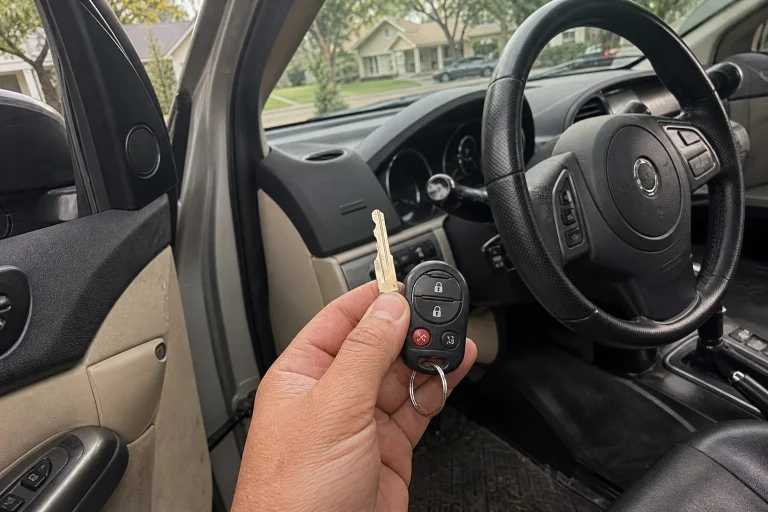
If you have one working car key, making a spare now can help you avoid a last-key emergency and give you time to check that every function works.
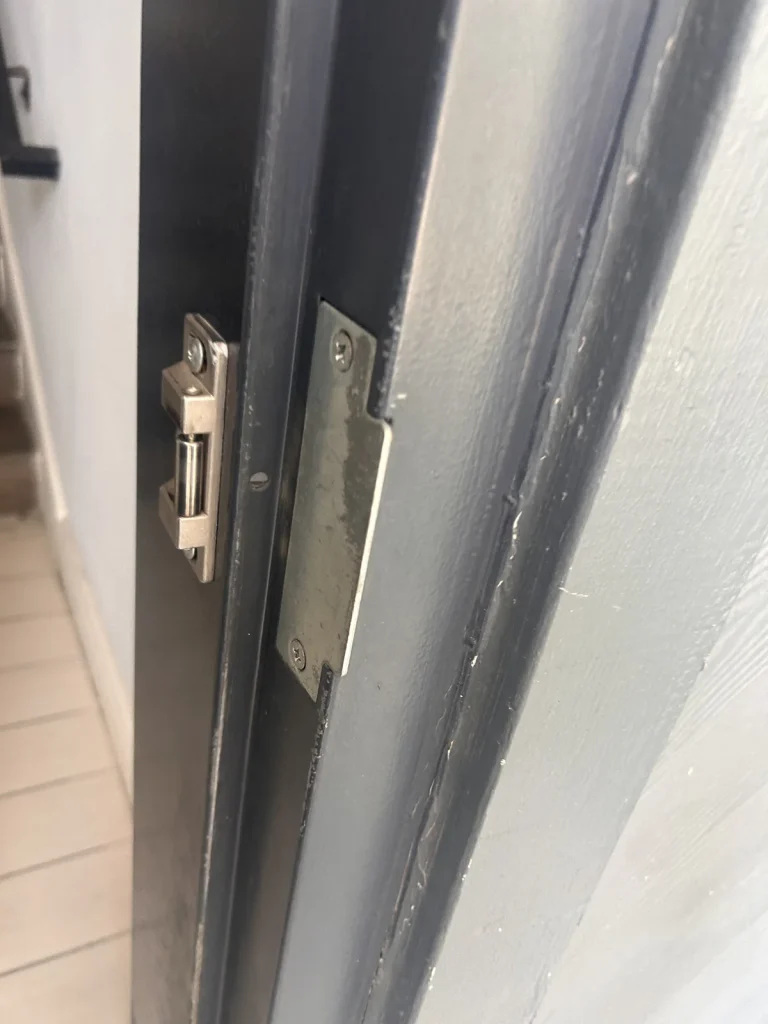
If your key goes in but the ignition won’t turn, check steering wheel tension, shifter position, and a spare key before you force anything. Repeated binding may point to a worn key or ignition hardware that needs inspection.