
Automotive Locksmith
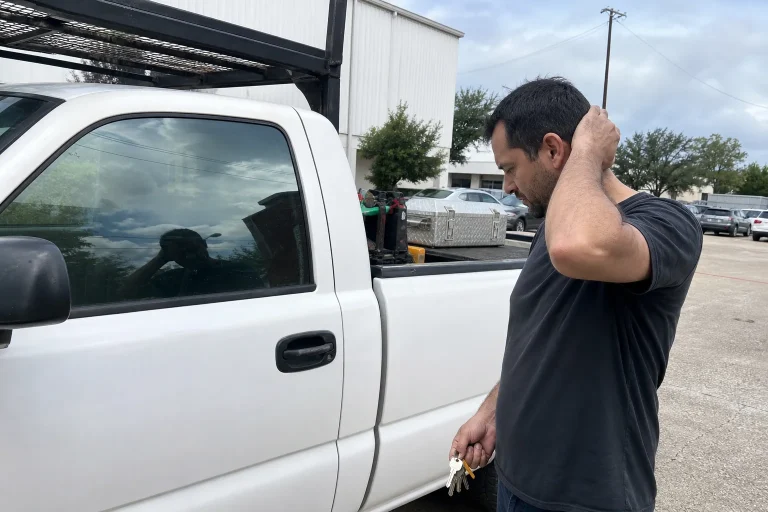
Work Truck Lockout or Lost Key? What Contractors Should Plan For
Locked out of a work truck or missing its key? Gather the truck details, proof of authority, location, and safety concerns before calling for help.
License Number: B09416401
Residential Key duplication In Houston by Scorpion Locksmith fast mobile service same day licensed pros precision cutting upfront pricing for homes Call now

Home key copies that keep your household moving.
Residential Key duplication in Houston creates extra copies of working house keys for everyday access and backup use. At Scorpion Locksmith, we help Houston, TX, residents check existing keys, choose compatible blanks, and get copies cut for their home locks. We also help identify when copying a worn key is not the best next step.
A spare house key lets trusted household members enter without passing the same key back and forth. It also gives you a backup when your everyday key goes missing inside a bag, under a seat, or somewhere only the laundry seems to know.
Do you have several people sharing one front door key? A copy for each approved person can reduce missed handoffs and calls from the porch.
Residential key duplication can help with the following needs.
Think about access before deciding how many copies you need. More keys can be convenient, but every copy should have a known holder and a clear purpose.
Key duplication makes another key that works with the existing lock without changing which keys can open it. The original key and any previous copies continue to work.
That distinction matters if your concern is security rather than convenience. Making a new copy cannot block someone who already has a working key.
If a key is missing and could be connected to your address, ask about rekeying instead. Rekeying changes the lock’s internal setup so the previous key no longer operates it, when the lock supports that work.
Duplication is usually the right conversation when you have a dependable key and simply need another. If you recently moved into a Houston home, consider who may still hold older copies before ordering more.
At Scorpion Locksmith, we can help you sort out that choice. The goal is useful access without overlooking a reason to change it.

The cleanest, least-worn working key is usually the best source for a duplicate. A copy made from a heavily worn key may repeat problems already present in its shape.
Look at the key you use every day. Rounded cuts, a bent blade, cracks near the head, or a key that needs jiggling deserve attention before copying. A key that needs jiggling may also warrant checking for a lock problem.
A rarely used original may be a better starting point than the key carried on your ring for years. If you have several copies, bring them together so we can compare their condition.
A key that works only with a special wrist trick is giving you useful information.
Mention that trick rather than assuming every new copy will need it.
A usable house key copy needs the correct blank, not just a similar-looking piece of metal. The blade profile, grooves, length, and cuts must suit the lock.
Many homes use familiar pin tumbler locks, but residential keys are not all interchangeable. Two keys can look close enough at a glance and still fit different keyways.
At Scorpion Locksmith, we check the key type before treating it as a routine duplication request. Clear photos may help with an initial discussion, though physical inspection can still be needed.
Avoid assuming a blank will work because its head has the same shape. The part that enters the lock is what matters.
Specialty and restricted keys may require a specific blank, permission, or a different duplication process. Not every residential key can be copied through ordinary house key cutting.
Keys with unusual grooves or dimple patterns should be identified before you make plans. A key supplied through a property manager or controlled key system may also involve approval.
For a condo, rental home, or managed community, check the access rules first. We may ask for proof that you are permitted to request a copy.
A physical backup key for an electronic door lock also needs its own assessment. Copying that blade does not create a new entry code or change the lock’s access settings.
If you are unsure what you have, describe the key when you contact us. We can discuss what needs to be checked without promising that every key type can be duplicated.
Our duplication process begins by checking the source key and understanding how it works in your home. That helps us avoid treating a lock problem as a simple request for another copy.
For residential key duplication in Houston, a typical request follows these steps.
The exact process depends on the key and access to the lock. Let us know before work begins if the original already sticks or turns unevenly.
A new key should be tested in its intended lock before becoming someone’s only way inside. Looking correct beside the original does not prove that it operates smoothly.
When possible, start with the door open so a problem does not leave you locked out. Keep a known working key with you during testing.
Does the copy work with the door open but resist when it is closed? That can point to door or strike alignment rather than the key alone.
Tell us exactly where resistance occurs. Clear observations help narrow down the cause.
A duplicate will not correct a door that presses against its frame or a deadbolt that rubs against its strike opening. Key operation depends on the door and lock working together.
Houston humidity can contribute to movement in some wood doors. Loose hinges, weather stripping, and ordinary wear can also affect how the bolt meets the frame.
Notice whether you must lift, push, or pull the door while turning the key. That pressure can make a sound key feel defective.
Share those observations with Scorpion Locksmith. Another copy may still be useful, but the door or lock could need separate attention.
The right number of spare keys depends on who needs regular access and how you manage backup entry. Start with people and routines rather than ordering a stack of copies.
For a household with different work schedules, individual keys can prevent repeated handoffs. For a relative who visits occasionally, a clearly assigned spare may be enough.
Ask yourself who actually needs ongoing access. A temporary visitor and a full-time resident do not always need the same arrangement.
Avoid labeling keys with your street address. A neutral color tag can help identify a copy without telling a stranger which door it opens.
A spare key works best when it is accessible to the right person and difficult for strangers to find. The flowerpot beside the door is convenient, but it is not much of a secret.
Consider leaving a backup with someone you trust who can respond when needed. Confirm that they still have it before a trip or a busy stretch away from home.
If you use a key storage box, choose its location and access method carefully. Follow its instructions and review who knows how to open it.
Keep stored copies separate from identifying documents. A key attached to a full address creates a different risk than an unmarked spare.
Check backup keys periodically in the actual lock. A spare that worked before a lock change may no longer help when someone needs it most.
Having the working key and basic lock information ready helps us understand your request. You do not need to know technical lock terms to explain what is happening.
Tell us whether you can access the home and test the key afterward. Also mention building entry instructions or parking limits that could affect a scheduled visit.
If your only key is lost, say that first. Creating access without a source key is a different request from ordinary duplication.
The time needed for house key duplication depends on the blank, source key condition, and testing needs. A familiar key in good condition usually involves fewer steps than a damaged or unusual key.
Scheduling also depends on current availability and your location in Houston, Texas. Call before arranging your day around a specific service time.
We can discuss the request more clearly when you describe these factors upfront. Ask about current scheduling and the service arrangement for your address rather than assuming every request follows the same path.
House keys last better when they are used only to operate locks and are stored without bending pressure. Opening boxes or prying with a key can damage the blade.
Keep your everyday key easy to reach on the ring. A large bundle can make handling awkward and encourage twisting at an angle.
Wipe off visible dirt before inserting a key. If a lock feels gritty, ask about a suitable lock product rather than adding cooking oil or another household substance.
Stop using a key if it develops a crack or bends noticeably. Trying to straighten it can weaken the metal further.
If a key catches, do not use pliers to force it around. Stop and call for guidance before a difficult turn becomes a broken key inside the cylinder.
Scorpion Locksmith helps you approach key duplication with the key, lock, and household access needs in view. We focus on whether copying is appropriate, which key should be used, and how the finished copy performs.
You can help us make a useful assessment by describing what works and what does not. There is no need to diagnose the lock before calling.
Ready to arrange residential key duplication in Houston? Have your working key nearby and tell us how many copies you need.
Call (281) 623-1517 or visit our contact page to discuss your home key duplication request. We can review the next steps for your Houston, TX, home and help you prepare for dependable everyday access.
Yes, Scorpion Locksmith offers residential key duplication services for most home locks.
Key duplication usually only takes a few minutes per key.
Simply bring your existing key to Scorpion Locksmith to have it duplicated.
Most common house keys can be copied, but some high-security keys may require special authorization.
Yes, having a spare key can be useful for emergencies or family members.
In some cases, you may be asked to provide identification for security purposes.
Yes, Scorpion Locksmith can make multiple copies for you during your visit.
If you’ve lost your only key, contact Scorpion Locksmith for solutions; you may need your locks rekeyed or replaced.
Yes, Scorpion Locksmith can come to your location to duplicate your residential keys if needed.
The team at Scorpion Locksmith works carefully to ensure quality key copies for your home.
Locked out of a work truck or missing its key? Gather the truck details, proof of authority, location, and safety concerns before calling for help.
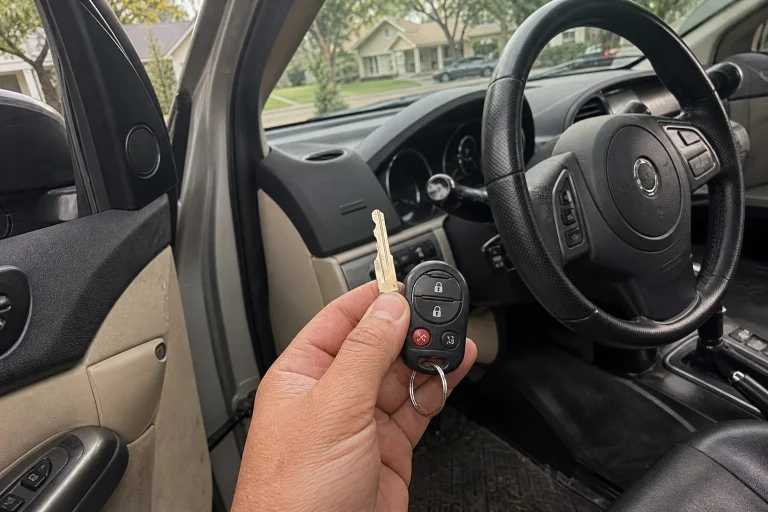
If you have one working car key, making a spare now can help you avoid a last-key emergency and give you time to check that every function works.
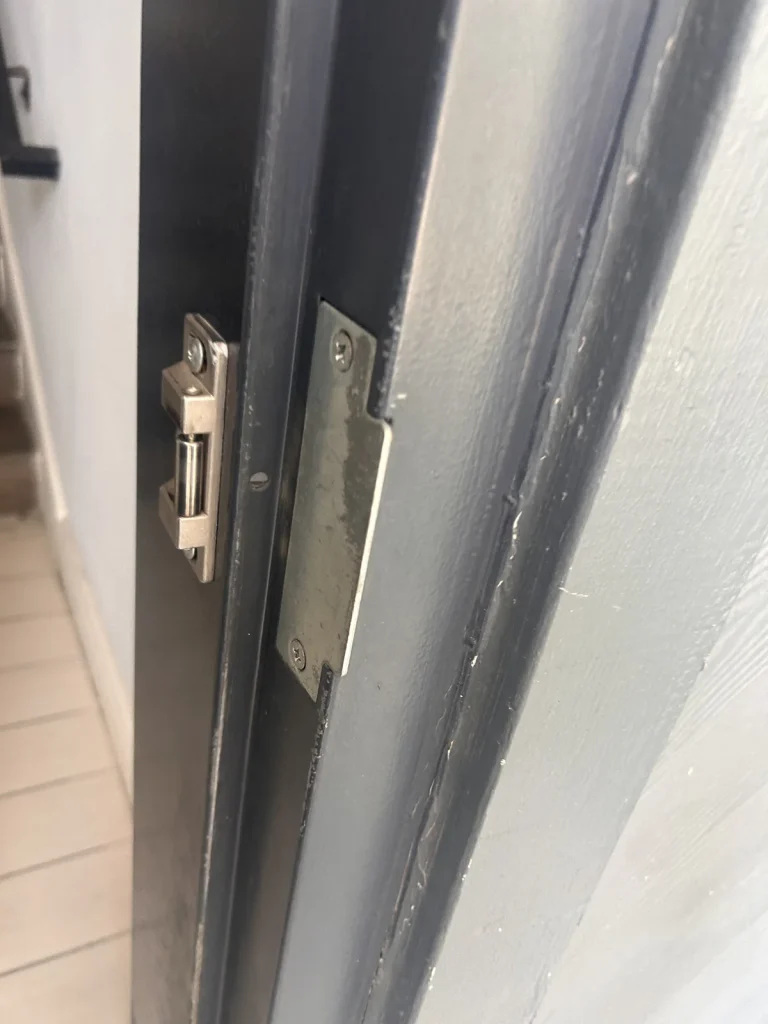
If your key goes in but the ignition won’t turn, check steering wheel tension, shifter position, and a spare key before you force anything. Repeated binding may point to a worn key or ignition hardware that needs inspection.