
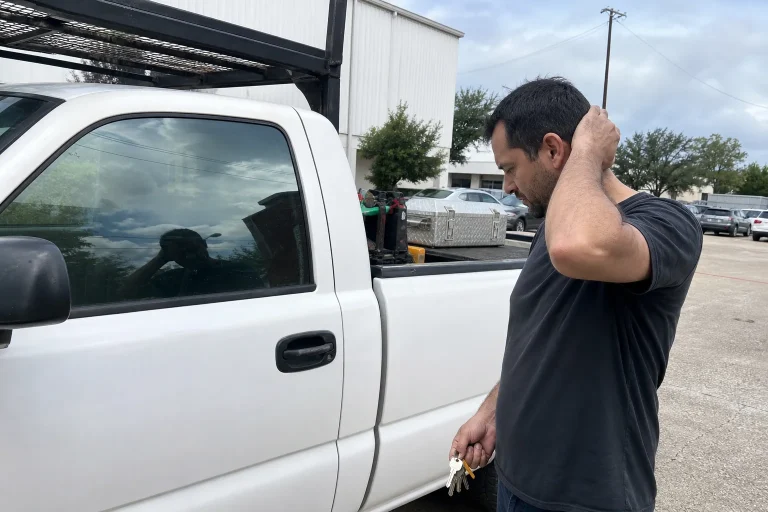
Automotive Locksmith
Work Truck Lockout or Lost Key? What Contractors Should Plan For
Locked out of a work truck or missing its key? Gather the truck details, proof of authority, location, and safety concerns before calling for help.
License Number: B09416401
Push bars locksmith In Houston for code compliant exit devices install and repair. Scorpion Locksmith offers same day service 30 minute arrival and free quote
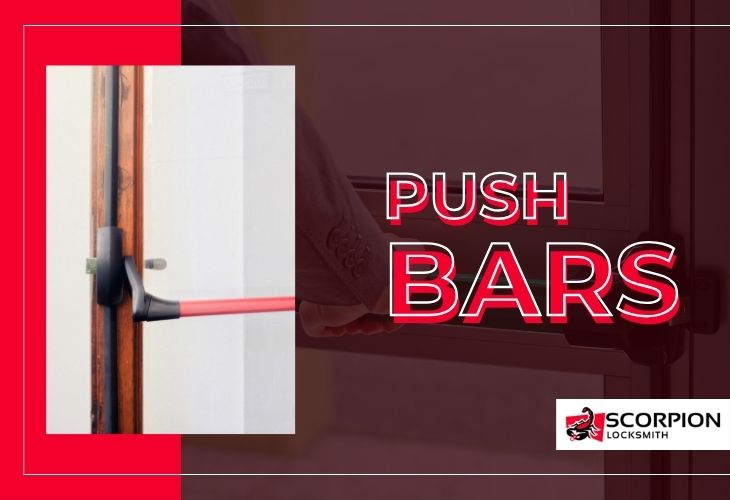
Push Bar Service Keeps Exit Doors Working Properly
Push bars locksmith in Houston service covers installation, repair, and replacement of door hardware that lets people exit by pressing a bar. Scorpion Locksmith helps Houston, TX businesses address sticking bars, damaged latches, and exit door problems while checking how the device works with the door and frame.
A push bar should make leaving a building simple. If someone must shove, lift, or kick the door, the problem needs attention.
We look beyond the bar itself to find what is preventing proper operation. Call (281) 623-1517 or visit our homepage to discuss your exit door and arrange service.
A push bar releases a door latch when someone presses its horizontal bar or touchpad. This hardware is also called a panic bar, panic device, or exit device.
The inside operation supports a quick exit without turning a knob. Depending on the hardware, the outside may use a key cylinder, pull handle, lever, or access control connection.
People often use “panic hardware” and “fire exit hardware” as if they mean the same thing. They are not always interchangeable, especially on a fire-rated door.
We check the opening before recommending hardware. The right choice for exit device installation depends on the door, its use, its rating, and applicable requirements, not just whether the new bar looks similar.
A push bar needs repair service when it stops releasing, latching, or moving consistently. Small changes can point to loose hardware, worn components, or a door alignment problem.

Does the door open easily in the morning but stick later? Does the bar return slowly after someone presses it?
Tell us whether the issue happens every time or only occasionally. An intermittent problem still deserves attention, particularly on a busy exit route.
A push bar may struggle because the door or frame has shifted, even if its internal mechanism still works. Replacing the device without checking the opening can leave the original problem unresolved.
Loose hinges can let a door sag. A misplaced strike can put pressure on the latch, while a poorly adjusted closer can prevent consistent closing.
Weatherstripping can also press too firmly against the door. Dirt in a threshold or floor strike may interfere with certain vertical rod devices.
We check how the door moves before deciding what needs repair. Your exit door should not double as a daily strength test.
A useful clue is whether the bar works differently when someone gently pulls or pushes the door. Report that symptom, but do not force the hardware to keep using a troubled opening.
Scorpion Locksmith checks the push bar, door, frame, and related hardware together. That helps separate a device failure from a problem elsewhere in the opening.
Our push bars locksmith in Houston service follows a practical inspection process.
If the opening involves a fire-rated assembly or access control, that affects the work plan.
Some conditions may need review by the building manager, alarm provider, or appropriate authority.
Push bar repair focuses on restoring reliable movement and latch operation without overlooking damage. The correct repair depends on what the inspection finds and whether suitable components are obtainable.
A repair may involve securing loose mounting hardware, correcting strike alignment, or replacing a worn compatible component. Outside trim and key cylinders may also need attention when entry operation is affected.
Not every device is a reasonable repair candidate. Cracked housings, extensive wear, or an unidentified mechanism can make replacement the more practical choice.
We explain the difference between a repairable fault and a device that no longer fits the opening’s needs. If repeated adjustments have not solved the problem, tell us before work begins.
Avoid spraying general-purpose lubricant into the bar as a first step. The wrong product can collect grime or conflict with manufacturer care instructions.
A new push bar must suit the door’s construction, dimensions, swing, and intended use. Hardware selection also needs to account for any fire rating and applicable exit requirements.
A narrow aluminum storefront door may need different hardware from a wide steel service door. Glass placement, existing holes, and frame space can limit mounting choices.
We do not treat every horizontal bar as an acceptable substitute. A device must work with the whole opening, not simply cover the old screw holes.
If you are changing how a space is used, mention that early. A change in occupancy or door function may require additional review before hardware selection and installation.
Push bar replacement is often appropriate when damage, recurring faults, or compatibility problems limit a repair. It can also be needed when an existing device does not support the door’s required function.
An older bar may have worn latch components or missing pieces. Previous modifications can also leave the device poorly supported or difficult to service.
Replacement involves more than choosing a similar length. Mounting patterns, strikes, trim connections, and door preparation all matter.
We check whether existing preparation can support the proposed device. Unused holes, damaged mounting areas, and changes to a rated door need careful review.
Have you already purchased a replacement bar? Share its model information before the visit so compatibility can be assessed before installation begins.
Exit device types differ mainly in where and how they latch. Knowing the general type helps us understand your door before arriving.
Common configurations include the following device types.
Paired doors can require special attention because both leaves must work together. A mullion, coordinator, or meeting-edge hardware may affect operation.
Photos can help identify the general configuration. A final recommendation still requires checking the opening and the device’s specific instructions.
Fire-rated doors require hardware and modifications that preserve the approved assembly. Fire exit hardware has requirements that differ from ordinary panic hardware.
We look for door and frame labels and check device information when reviewing a rated opening. A label alone does not confirm that every existing component or past modification is acceptable.
Some panic devices allow mechanical dogging, which holds the latch retracted. That feature is generally not permitted on fire exit hardware because the door must latch when it closes.
Do not wedge a fire door open or disable its latch. Approved hold-open arrangements, where permitted, involve more than keeping a bar pressed down.
Whether a specific opening requires panic hardware depends on its use and applicable rules. Scorpion Locksmith can review hardware conditions, while final approval rests with the authority responsible for that opening.
An exit device can allow people to leave while restricting entry from outside. The available functions depend on the device, outside trim, and any connected access system.
Some doors use a keyed lever that staff can lock or release. Others have pull-only trim or controlled entry through an approved electrical arrangement.
Tell us how the door should work during normal business use. Inside exit operation must remain consistent with the opening’s applicable requirements.
Alarmed and electrified push bars require both mechanical and system-related checks. A door can have a sound latch mechanism but still experience trouble from wiring, power, or connected controls.
An alarm may indicate an actual opening, a contact problem, or another system condition. Repeated beeping should not automatically be blamed on the push bar.
We review the visible hardware condition and discuss any connected equipment. Depending on the system, coordination with your access control or fire alarm provider may be necessary.
Do not disconnect wires, remove power, or silence a required alarm to avoid the symptom. Those changes can affect door security or required safety functions.
If possible, note what happens immediately before the problem. Reader use, closing movement, or a recent outage can provide useful clues.
The time needed for push bar work depends on the device, the opening, and the repair scope. A straightforward adjustment differs from replacing concealed hardware or correcting damaged door preparation.
Several conditions can extend the visit.
Describe the symptoms when you call, and send photos if requested. We can discuss scheduling and next steps once we understand the situation.
We do not promise a specific arrival or completion time before reviewing the request. Clear information helps us prepare for useful work rather than guess at the problem.
An exit that will not open normally should be reported to the person responsible for building safety immediately. Do not continue treating a troubled door as a reliable exit.
Follow the building’s emergency procedures if people face immediate danger. Contact emergency services when the situation calls for an emergency response.
Avoid these temporary fixes while the exit needs attention.
A second nearby door does not automatically make it acceptable to lose an exit. The building manager may need to coordinate temporary safety measures with the appropriate authority.
Call us about urgent locksmith service with a clear description of the failure. Tell us whether the door cannot open, cannot latch, or has another problem.
Preparing the doorway and basic device information helps us inspect the opening efficiently. You do not need to dismantle anything before we arrive for commercial locksmith service.
Use this short checklist before the visit.
Let staff know that the door may be under inspection. Any temporary change to traffic flow must preserve appropriate exit access.
Please leave covers and fasteners in place. Loose pieces in a desk drawer rarely make diagnosis easier.
Houston heat, humidity, rain exposure, and frequent traffic can contribute to exit door problems. Moisture, debris, and changing pressure at an exterior opening may affect how it closes and latches.
A busy retail entrance has different wear patterns from a seldom-used rear exit. Both need checks because low use can let a fault go unnoticed.
Do not adjust internal parts just because operation has changed. Record the symptom and request repair service before a minor issue disrupts the opening.
Scorpion Locksmith helps Houston businesses address push bar faults with attention to the complete door opening. We explain the condition, discuss practical options, and check operation after the work.
Whether you manage a shop, office, restaurant, or warehouse, tell us how the door is used. That information helps connect commercial locksmith work to your daily needs without overlooking exit function.
For push bars locksmith in Houston, call (281) 623-1517 or contact us to discuss service. Share the door location, the symptoms, and any visible device information so we can discuss the next step.
A push bar, also called a panic bar, is a device installed on doors that lets you open them quickly by pushing the bar.
Locksmiths can install, repair, or replace push bars to ensure doors work safely and meet building codes.
Yes, Scorpion Locksmith provides installation, repair, and maintenance for push bars.
Most doors can have push bars installed, but it’s best to have a locksmith check your specific door.
Installation usually takes about an hour or two, depending on the door and setup.
Yes, many push bar problems can be repaired by a professional locksmith like Scorpion Locksmith.
In many cases, fire exits and commercial buildings require push bars by safety regulations.
Push bars provide fast exits in emergencies while keeping doors secure when shut.
For best results and safety, it’s recommended to have a locksmith handle replacements.
You can contact Scorpion Locksmith by phone or online to schedule a push bar service.
Locked out of a work truck or missing its key? Gather the truck details, proof of authority, location, and safety concerns before calling for help.
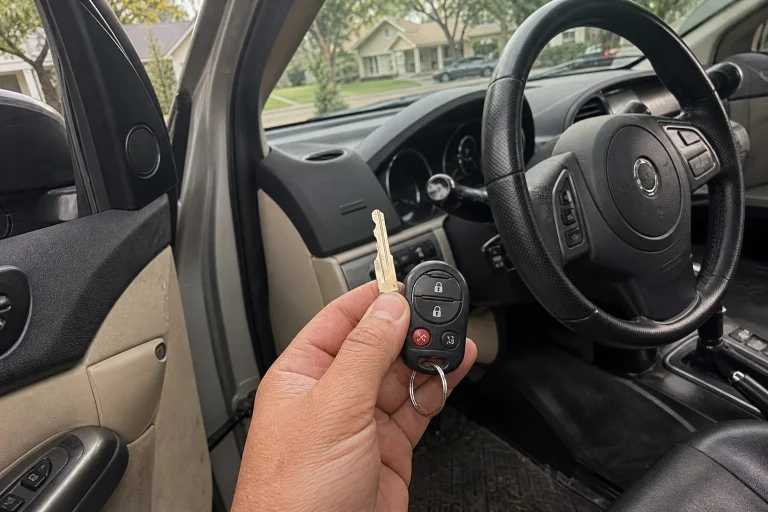
If you have one working car key, making a spare now can help you avoid a last-key emergency and give you time to check that every function works.
If your key goes in but the ignition won’t turn, check steering wheel tension, shifter position, and a spare key before you force anything. Repeated binding may point to a worn key or ignition hardware that needs inspection.