If you have an apartment lockout, move to a safe, visible place first. Check for a roommate, spare key, or authorized leasing office help. Call management or emergency maintenance to ask about the building’s rule before hiring anyone. Have photo ID and proof that you live in the unit ready. Don’t force the door or approve a lock change without permission.
Get safe before you solve the lockout
A locked door is stressful, especially after hours, during bad weather, or when your phone battery is low. Start by choosing a place where you can wait safely. A well-lit building lobby, leasing office area, nearby open business, or trusted neighbor’s home may be better than standing alone by the door.
If a child, older adult, pet, or anyone who needs help is locked inside and there is fire, smoke, a medical emergency, or immediate danger, call 911 first. Tell the dispatcher what is happening and where you are.
Once you are safe, take a breath and check the simple options. You may have left a key with a roommate, friend, family member, or neighbor. If you use a key fob, look through your bag and car carefully. Don’t climb balconies, enter through windows, or try to reach an upper-floor opening. A fall or damaged window can turn a lockout into a much bigger problem.
Call apartment management before you call for entry
Your lease and building rules may set out who can unlock a unit, when staff can help, and whether an outside locksmith needs approval. Call the leasing office during business hours. After hours, use the emergency maintenance number shown in your lease, resident portal, building signs, or recorded office message.
Ask direct questions so you know your next step.
- Is there an after-hours lockout contact?
- Can management send someone to unlock the unit?
- Does the property require an approved locksmith?
- Can an outside locksmith work on the door?
- What proof of residency will staff or the locksmith need?
- Is there a rule about replacing or rekeying the lock?
Write down the name of the person you spoke with, the time, and what they told you. If the office does not answer, save a screenshot of your call or message attempt. That record may help you explain the situation when help arrives.
Do not assume that a locksmith can change the lock because you rent the unit. The Texas Legislature’s residential tenancy law generally says a tenant may not remove, change, rekey, replace, or alter a rental security device without the landlord’s permission, except for limited remedies in the law. Getting back inside and changing a lock are different decisions.
Gather proof that the apartment is yours
A careful service provider should confirm that you have the right to enter before work starts. Gather what you can while you wait. Digital copies on your phone can be useful if your paper lease is inside.
- A government-issued photo ID with your current address, if available
- A signed lease, resident portal screen, or other digital proof of occupancy
- A utility bill, package label, or similar item that shows your name and unit number
- Your property manager’s phone number and the name of the community
- Written or recorded confirmation from management if the property gave permission
Your ID may show an old address, and that can happen after a move. Bring more than one item if you can. A current lease or resident portal record paired with photo ID gives the person helping you a clearer way to check occupancy.
For Houston renters who need mobile assistance, Scorpion’s locksmith for apartments page asks customers to prepare photo ID, a lease or digital proof, a bill or package with the resident name and unit, or a management contact.
What not to do during an apartment lockout
Trying to save time can damage a door, frame, lock, or security system. It can also create a lease problem. Avoid these actions while you wait for an authorized solution.
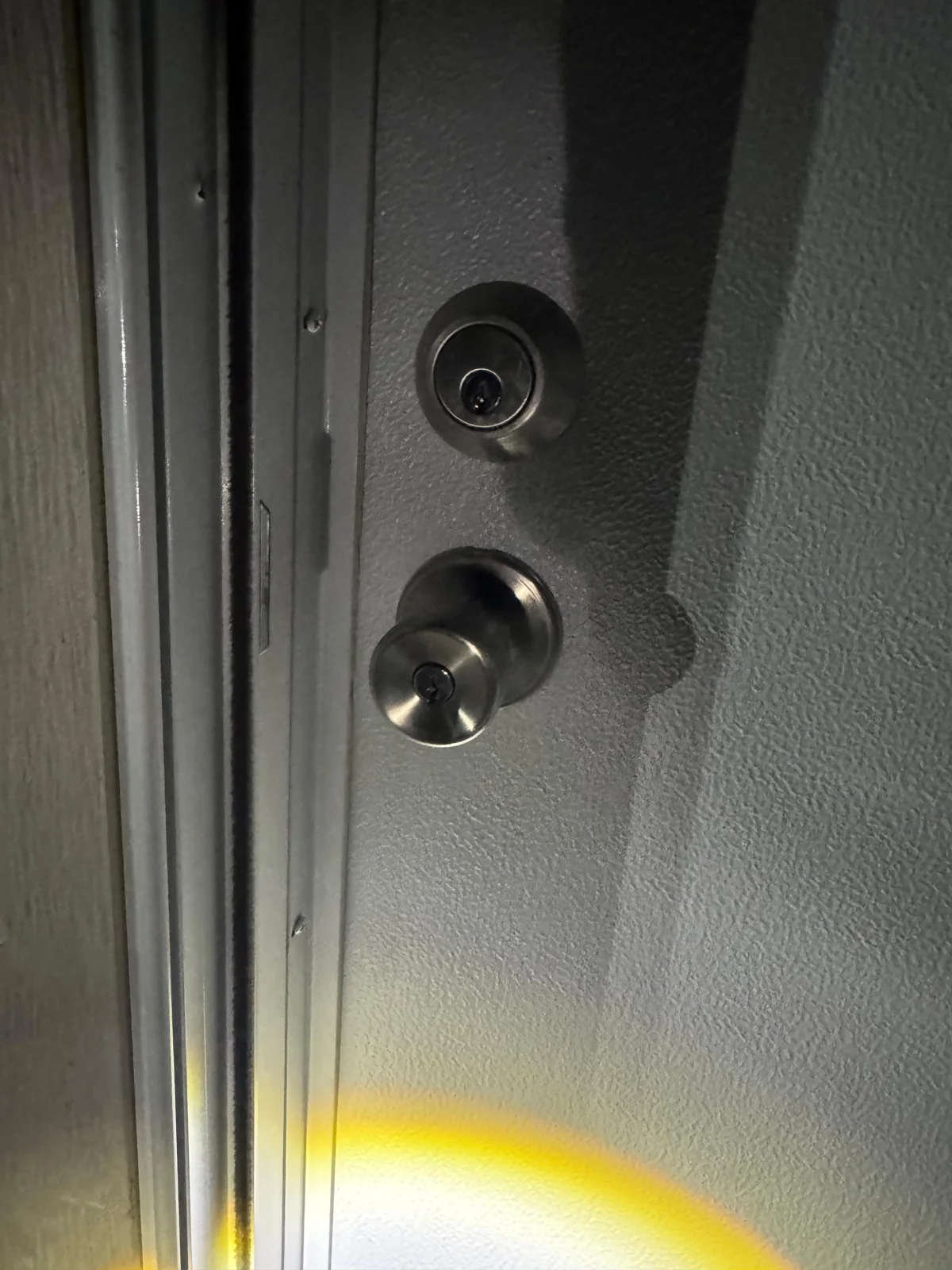
- Don’t kick, pry, shoulder, or drill the door.
- Don’t use tools on the lock or door hardware.
- Don’t ask a neighbor to let you enter through a shared or secured area that they are not allowed to open.
- Don’t climb to a balcony or try a window.
- Don’t let a person enter the unit without checking that they are a legitimate provider.
- Don’t agree to replace or rekey the lock until management has approved that work.
Damage can leave your unit less secure after you get in. It may also lead to repair charges under your lease. Waiting for the right person can feel slow, but it protects the door and helps avoid confusion with the property.
Choose a locksmith with clear information
If management allows an outside provider or cannot assist, call a locksmith and describe the situation plainly. Share the apartment address, unit number, building name, and any gate, lobby, parking, or elevator details that affect access. Say that you are a renter and tell them whether management has given approval.
Ask what the service call covers and what could add to the charge before work begins. The Better Business Bureau advises customers to ask about the service call, mileage, parts, and an estimate before work starts. Ask for the company name and how you can reach it if you need to follow up.
You can also ask the person who arrives to show identification. BBB notes that legitimate locksmiths usually provide identification. Be careful if drilling is described as the normal first answer. A renter should also pause any work that would alter the apartment’s lock until the property has authorized it.
Texas regulates locksmith work. The Texas Department of Public Safety lists locksmith as an individual license type and says the individual must be licensed and affiliated with a licensed company. You can ask the company about its licensing and company affiliation before you authorize service.
Give the technician the details that prevent a wasted trip
A mobile locksmith needs enough information to find you and verify the unit. Houston apartment properties may have a call box, gate, garage, several towers, or a building entrance that does not match the street address. Send clear details before they arrive.
Share the right location
- Street address, building number, unit number, and floor
- Gate code or a note that you must meet them at the gate
- The best entrance and nearby landmark on the property
- Where you will wait and what you are wearing if the building is hard to find
Explain the door situation without trying to fix it
Tell the provider whether you have a standard key, key fob, electronic access, deadbolt, or door handle lock. Mention if your key is lost, left inside, broken, or not working. Also say if management has told you that a certain lock or vendor rule applies. Do not take apart the hardware while you wait.
Keep your phone ready
Turn on your ringer, watch for calls, and preserve battery power. If your phone is close to dying, ask a trusted person to make the call with you or find a safe place to charge it. A missed call at a gated property can delay help.
After you get back inside, close the loop with management
Check that the door closes and locks normally. If work was done on the lock or door, tell management what happened and keep any receipt or written record. Report a damaged key, loose hardware, broken key fob, or door problem through the property’s usual maintenance process.
If your keys were lost with something that identifies your address or unit, tell management that too. They can tell you whether the property has a policy for protecting the unit after a lost key. Don’t hide a spare key outside the building. A trusted person or a management-approved option is safer.
Plan now for the next lockout
Once the immediate problem is over, make a simple backup plan. Save the leasing office and emergency maintenance numbers in your phone. Keep a copy of your lease or resident portal login where you can reach it away from the unit. Decide who can hold a spare key if your property allows it.
If your building uses a fob or app, learn the process for a lost device and keep the management contact handy. Check your lease before making copies or changing any access device. A few minutes of planning can make a future lockout easier to handle without risking damage or a rule violation.
Apartment lockout questions renters ask
Can my landlord lock me out if I am late on rent?
Texas law has specific rules for a lock change tied to delinquent rent. The notice must state how the tenant can get a key at any hour, whether or not payment is made. If you believe your lockout involves a landlord action rather than a lost key, save notices and contact a qualified tenant resource or attorney for advice about your situation.
What if my roommate is inside but cannot open the door?
Ask them to contact management from inside if they can. They should not remove hardware or try to force the door. If they are hurt, in danger, or unable to get help, call 911. Otherwise, management can tell you whether staff or an authorized locksmith should handle the door.
Should I leave before the locksmith arrives?
Stay reachable and tell the provider if you must move to a safer waiting spot. At a gated or large property, arrange a clear meeting point. The technician will need to confirm your identity and unit connection, so leaving without a plan can slow the visit.
If you need apartment lockout help in Houston and your property permits locksmith service, call Scorpion Locksmith at (281) 623-1517. Tell the dispatcher your building access details, unit information, and what proof of residency you have ready so you can arrange the next step.