
Automotive Locksmith
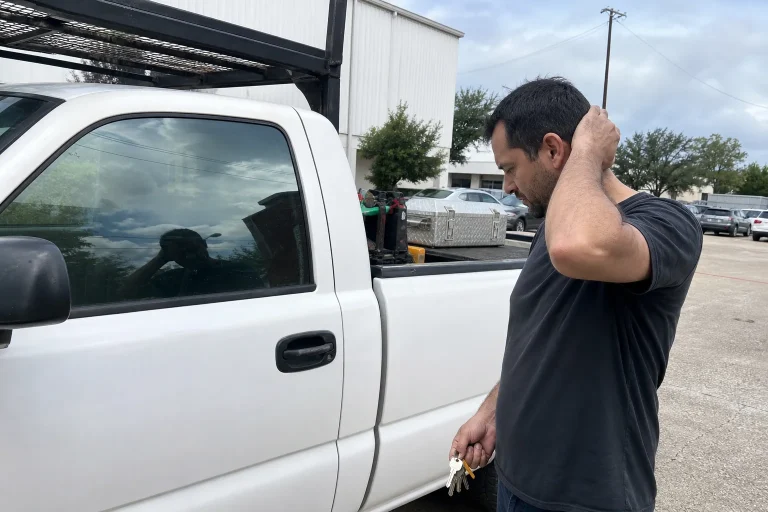
Work Truck Lockout or Lost Key? What Contractors Should Plan For
Locked out of a work truck or missing its key? Gather the truck details, proof of authority, location, and safety concerns before calling for help.
License Number: B09416401
Locksmith for Buildings In Houston by Scorpion Locksmith. 24 7 emergencies rekey master key access control hardware. Fast arrival free quote licensed techs now
Locksmith for Buildings in Houston covers locks, keys, door hardware, and controlled entry for residential and commercial properties. Scorpion Locksmith helps Houston, TX, owners and managers address lockouts, change access after turnover, and resolve door security problems. We review the affected opening and explain practical options before work begins.
A building needs doors that secure properly without making everyday use a struggle. From a small office entrance to shared doors in a rental property, the right repair starts with finding what is wrong.
Is your key sticking, your staff sharing too many copies, or your entrance refusing to latch? Call (281) 623-1517 or visit Scorpion Locksmith to discuss the problem and arrange service.
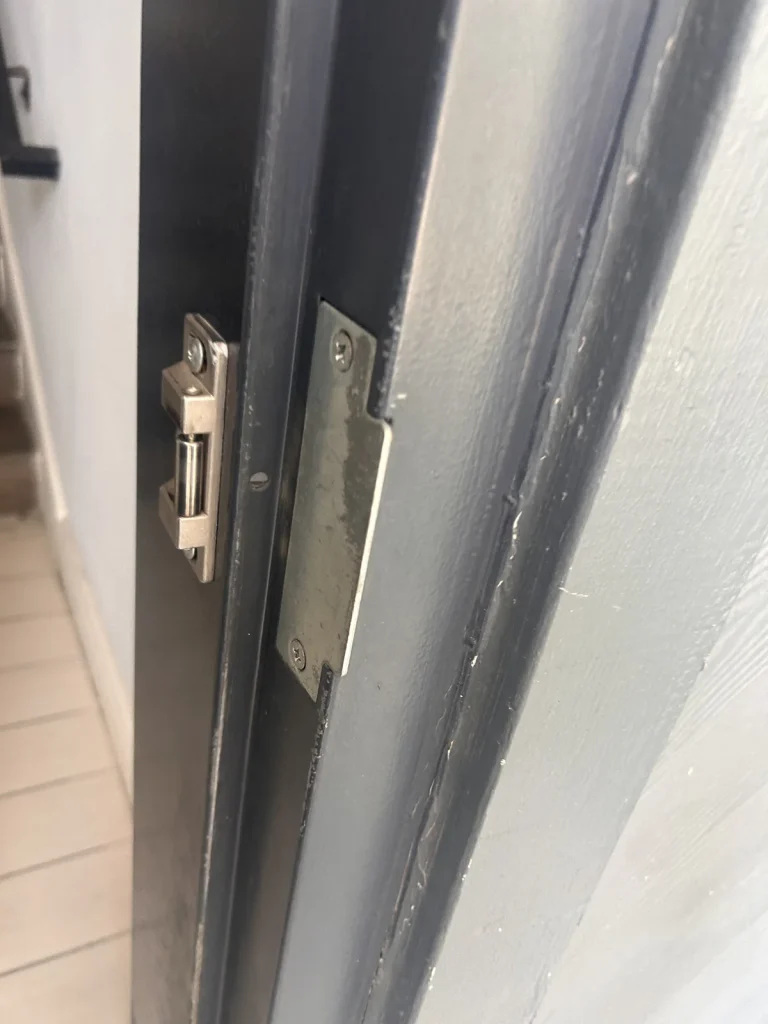
Building locksmith work addresses the full entry point, including the cylinder, latch, strike, door frame, and related hardware. A new lock alone will not solve a door that drags or a latch that misses its opening.
We look at how the door operates and who needs access. That helps separate a worn component from a larger issue with the opening.
Our work can involve rekeying existing locks, repairing damaged hardware, organizing keys, and assessing controlled entry. We also check how proposed changes will affect daily use.
A building may have several access needs under one roof. An office door, storage room, shared entrance, and exit door should not automatically receive the same hardware.
Sticking keys, loose locks, and unreliable latches often signal problems that can become lockouts or leave a door unsecured. Catching them early gives you more lock repair options than waiting until the key stops turning.

Does someone have to lift the handle or pull hard on the door to lock it? That extra effort is a clue, not a normal part of using the entrance.
Tell us which symptoms occur and whether they change during the day. Those details help focus the inspection.
A building lockout calls for an assessment of the door, lock, and your authority to enter. Scorpion Locksmith can review the situation and choose an entry approach suited to the hardware.
We ask for information that helps confirm authorized access. Depending on the property, this may involve identification, management approval, or another form of documentation.
Before requesting help, check whether an authorized manager has a working key. Avoid forcing the cylinder or prying the door, since those attempts can damage more than the lock.
If someone is in danger inside, contact emergency services first. For a routine lockout, give us the address, entrance location, and any visible damage so we can discuss the next step.
Rekeying changes a compatible lock’s internal key setting so previous keys no longer operate it. It can be a practical choice when the hardware works properly but control over existing keys has been lost.
Tenant turnover, staff changes, and misplaced keys are common reasons to consider this service. A drawer full of mystery keys is not much of an access plan.
We inspect the cylinder before recommending rekeying. Worn, damaged, or unsuitable hardware may need replacement instead.
For several doors, tell us which should share a key and which should remain separate. Some locks can be grouped under the same key, while others may need compatible cylinders or different hardware.
Lock replacement is appropriate when existing hardware is damaged, badly worn, or unsuitable for the door’s use. The replacement must fit the opening and support the way people enter and leave.
A busy shared entrance needs hardware suited to frequent operation. A private office may have different needs, while a storage room may require stricter key control.
We review the door material, existing holes, frame condition, and locking function before discussing lock installation options. Visible appearance matters, but reliable operation matters more.
After a break-in attempt, report bent metal, cracked trim, or a loose frame along with the lock damage. A replacement cylinder cannot correct a weakened mounting point or a split door edge.
A master key system lets approved keys open selected groups of locks within a planned structure. It can reduce the number of keys a manager carries while keeping individual rooms restricted.
Good planning starts with people and responsibilities, not just door counts. Who needs access to shared areas, tenant spaces, supply rooms, or maintenance closets?
Master keying involves security tradeoffs, so not every door belongs in the same group.
As part of commercial locksmith planning, we can discuss compatibility and whether separate access groups would better suit the property.
Access control uses approved credentials, codes, or other entry methods to manage who can open a door. Depending on the equipment, it may also allow access permissions to be changed without collecting physical keys.
The first question is whether the existing door closes and latches correctly. Electronic equipment cannot compensate for a sagging door or a poorly aligned strike.
Scorpion Locksmith can assess the lock hardware and discuss compatible entry options. Some work may require coordination with an electrician, equipment provider, or the building’s existing system contractor.
Before making changes, gather the equipment name, current entry method, and known problems. Avoid posting entry codes near the door or sharing administrator credentials through a general staff message.
Door hardware service helps a door close, latch, and lock without unnecessary force. Hinges, closers, strikes, and mounting screws all affect the lock’s performance.
A closer that slams may need adjustment or repair. A door that stops short of the frame may have an obstruction, alignment problem, or unsuitable closing setup.
We check the opening as a working unit rather than assuming the cylinder is responsible. Sometimes the key gets blamed for a problem caused several inches away.
Exit hardware also needs careful attention. If an exit door sticks, will not open normally, or has been altered with extra locking devices, report that concern promptly and avoid improvised fixes.
Heat, humidity, moisture, and repeated use can contribute to door and hardware problems in Houston, Texas. Exterior openings may behave differently after weather changes or long periods of heavy traffic.
A door that sticks during the afternoon but works in the morning may have an alignment issue. Rust, grit, and moisture around exposed hardware can also interfere with operation.
Covered entrances still need attention because wind-driven rain can reach locks and frames. Gates and service doors may collect debris near hinges or latch openings.
Tell us whether the problem follows rain, hotter weather, or delivery activity. That pattern can help a lock repair inspection distinguish wear inside the lock from movement or obstruction around the door.
Building use determines which doors need shared access, restricted keys, or more durable hardware. A single plan should account for the people using each opening and the tasks they perform.
For rental properties, turnover may call for rekeying and checking shared entrances. In office buildings, staff access should remain separate from rooms containing private records or equipment.
Retail spaces often need attention at storefront doors and employee entrances. Warehouses may have heavily used service doors that develop loose hardware or closing problems.
For homes and mixed-use properties, consider how residents, visitors, and service workers enter. A sound plan avoids giving broad access to someone who only needs one room or entrance.
A building locksmith visit begins with understanding your concern, confirming authorized access, and checking the affected hardware. We then explain the condition found and the practical work options.
The usual process follows these steps.
If the opening has damage outside the locksmith work, we explain that limitation. Structural frame repairs, electrical faults, or system software issues may need another trade or provider.
The time needed depends on the number of doors, hardware compatibility, damage, and parts requirements. A straightforward rekey is different from correcting several doors with mixed locks and alignment problems.
Restricted access can also slow the visit. If the contact person cannot authorize work or certain rooms are locked, inspection may have to pause.
Older or uncommon hardware may require additional planning before replacement. Master key work and controlled entry changes also need more preparation than a single lock repair.
When you call, describe the door count and the main concern. Photos of the lock, door edge, and frame can help clarify the situation, though an on-site inspection may still be necessary.
Having the right contact, keys, and door information ready helps us assess the problem without avoidable interruptions. For managed properties, make sure someone can approve the proposed building locksmith work.
Use this short preparation checklist.
Do not send passwords, entry codes, or sensitive key records through a public form. We can discuss what information is needed when you contact us.
A sticking lock should be checked before repeated force breaks the key or damages the hardware. If normal hand pressure will not operate it, pause and inspect for a visible obstruction.
Repeated force and improvised changes can damage hardware or interfere with exit use.
If a key bends or cracks, stop using it. Keep people away from loose or sharp hardware, and use another approved entrance if available.
For active threats, fire, or medical danger, call emergency services. Locksmith work should not delay an emergency response.
Regular door checks can catch loose hardware, worn keys, and closing problems before they interrupt access. A brief inspection is especially useful at busy entrances and after tenant or staff changes.
Test the door in its normal closed position. A lock that works with the door open but binds when closed may point to alignment trouble rather than cylinder failure.
Follow the hardware maker’s care guidance and use only suitable lock products. Avoid forcing bent keys or continuing to use copies that work inconsistently.
Keep a simple record of who receives keys and when they return them. Review that record after turnover instead of assuming every copy came back when considering rekeying.
We focus on the door problem, the people who need access, and the work required to restore proper use. We explain whether the concern involves the lock, surrounding hardware, or another part of the opening.
You should understand what work is proposed before it begins. You should also know which doors and keys are affected, especially when several tenants or departments share a property.
We keep the discussion practical rather than treating every issue as a reason to replace everything. Sometimes a limited repair makes sense. Sometimes worn hardware calls for a different approach.
After work, we review operation with the authorized contact. That gives you a chance to test the door and clarify how the keys or hardware should function.
Call Scorpion Locksmith to discuss building lockouts, rekeying, lock replacement, master key planning, and door hardware concerns in Houston, TX. Start with the address, the affected door, and what happens when you try to use it.
Need Locksmith for Buildings in Houston after a lost key or an entrance problem? Tell us whether the door is currently secure and whether occupants have another approved way in and out.
For urgent access issues, call to discuss current availability and next steps. For planned work, gather your door list and access goals before contacting us.
Call (281) 623-1517 or contact us to arrange building locksmith service. We can help you move from a troublesome door to a clear plan for repair and access.
A building locksmith service helps with locks and keys for commercial, residential, and apartment buildings.
Yes, Scorpion Locksmith provides services for all types of office buildings.
Absolutely, our team can quickly assist if you're locked out of your building.
Yes, Scorpion Locksmith serves apartment complexes and multi-unit properties.
Yes, we offer rekeying services for single units or entire buildings.
Yes, Scorpion Locksmith offers emergency services for building lockouts and related issues.
Yes, we can upgrade your building’s locks for improved security.
You can contact Scorpion Locksmith by phone or online to set up a service appointment.
Yes, our locksmiths are experienced in handling commercial and residential properties.
Yes, Scorpion Locksmith offers lock maintenance to keep your building secure and functioning properly.
Locked out of a work truck or missing its key? Gather the truck details, proof of authority, location, and safety concerns before calling for help.
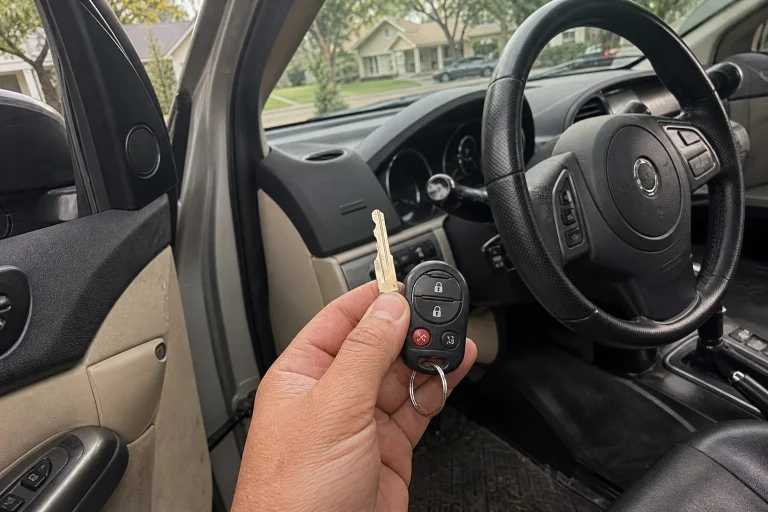
If you have one working car key, making a spare now can help you avoid a last-key emergency and give you time to check that every function works.
If your key goes in but the ignition won’t turn, check steering wheel tension, shifter position, and a spare key before you force anything. Repeated binding may point to a worn key or ignition hardware that needs inspection.