
Automotive Locksmith
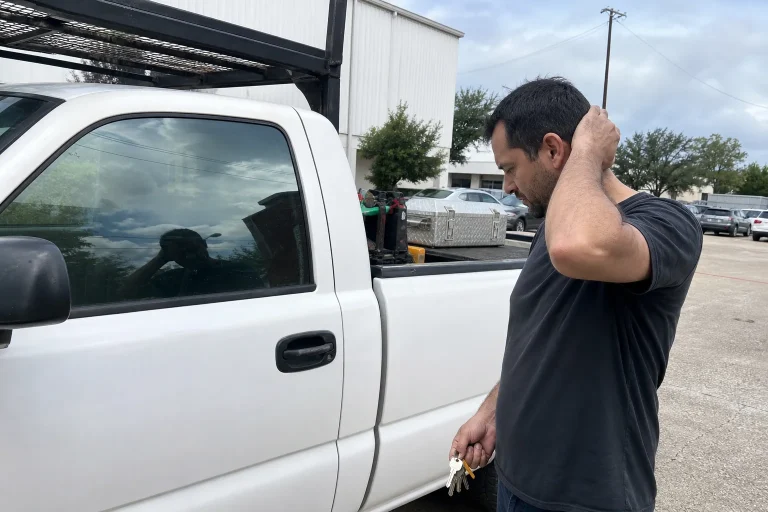
Work Truck Lockout or Lost Key? What Contractors Should Plan For
Locked out of a work truck or missing its key? Gather the truck details, proof of authority, location, and safety concerns before calling for help.
License Number: B09416401
Residential Lock replacement In Houston by Scorpion Locksmith. Same day service 30 min arrival licensed techs upfront pricing and a 1 year warranty. Call now

Replace Home Locks That No Longer Meet Your Needs
Residential lock replacement in Houston removes worn, damaged, or unsuitable door locks and replaces them with compatible hardware. Scorpion Locksmith helps homeowners in Houston, TX assess existing locks, choose suitable replacements, and check door operation. We focus on dependable locking, proper fit, and practical access for your household.
Residential lock replacement changes the lock hardware on a home’s door rather than simply changing which key works. The job may involve a deadbolt, locking knob, lever, cylinder, or connected handle assembly, depending on the existing setup.
At Scorpion Locksmith, we look at both the lock and the door around it. A new deadbolt cannot fix loose hinges or a cracked frame by itself. We check how the hardware fits and explain any related issues that could affect the work.
Replacement may cover a front entrance, back door, side entrance, or door between the house and garage. We also discuss which doors you want on matching keys, where compatible hardware permits that arrangement.
A lock may need replacement when internal wear, physical damage, or poor fit prevents consistent operation. Repeated sticking deserves attention, especially when you must pull, lift, or push the door to turn the key.

Does your front door require a shoulder bump before it locks? That is useful information, not a normal locking routine. The cause may involve alignment, hardware wear, or both, so assessing the lock problem is important.
Replacement changes hardware, while rekeying changes the internal key arrangement in a compatible existing lock. Rekeying can make sense when the lock works well but you no longer know who has a key.
Replacement becomes more useful when the hardware is damaged, badly worn, or unsuitable for your door. It also lets you change the handle style, add compatible keypad access, or address a lock that lacks needed functions.
We help you separate an access concern from a hardware problem. If you moved into a Houston home with working locks, replacement is not automatically necessary. If those locks also stick or show damage, changing the hardware may address both concerns.
A move is a sensible time to check every exterior lock and decide who should have working keys. Previous owners may have shared copies with relatives, neighbors, cleaners, or contractors.
Walk through the property and note the following.
Have you tested the back door, or only the front entrance? Less-used doors still need secure, usable hardware. Bring your access concerns to Scorpion Locksmith so we can discuss replacement, rekeying, or a combination based on the locks present.
Heat, moisture, and changing door alignment can make a working lock feel defective. In Houston, Texas, wood doors may swell during humid periods, while exposed hardware can collect moisture and surface corrosion.
A bolt that turns easily with the door open but binds when closed often points to an alignment issue. That clue does not settle the diagnosis, but it helps identify what needs inspection during a lock repair assessment.
Covered entrances and exposed side doors can age differently, even on the same house. We consider weather exposure when discussing replacement hardware. If the door or frame needs separate repair, we explain that limitation rather than treating a new lock as the whole solution.
Our replacement process begins with checking the existing lock, door condition, and your access needs. For residential lock replacement in Houston, the goal is to fit suitable hardware and test it under normal use.
A typical visit follows these steps.
We also show you how the replacement operates before wrapping up.
The correct replacement must match the door’s dimensions and hardware preparation. Two locks can look almost identical and still require different spacing, openings, or mounting points.
We check door thickness, the distance from the door edge to the lock center, and the existing hole size. Handle sets may also have a lower mounting point that affects replacement choices.
Older Houston homes sometimes have mortise locks fitted into a pocket inside the door. These do not automatically accept a standard cylindrical replacement. Send clear photos of the inside, outside, and door edge when you contact us, especially if the hardware looks unusual.
Choosing by appearance alone can leave you with a lock that simply does not fit.
A deadbolt provides a separate locking bolt, while a knob or lever usually operates the spring latch. Many exterior doors use both, but the right setup depends on the door and household needs.
A worn handle can make a door difficult to open even when the deadbolt works correctly. A damaged deadbolt may need replacement without requiring a matching handle change.
We discuss which components need attention and whether compatible replacements can share a key. We also check inside operation so household members can use the door comfortably.
If you are considering a lock that requires a key on the inside, discuss emergency exit concerns before choosing it. Easy exit should remain a central part of the decision.
Keypad and smart locks can change how your household enters, but they still need a correctly fitted door. Electronic features do not correct a binding bolt or a misaligned frame.
Ask us about your preferred model before buying hardware. We can discuss the door fit and installation needs. Product functions vary, so confirm any app, remote access, or connection requirements with the manufacturer.
Compatible locks can sometimes be arranged so one key works across several home entrances. That can reduce confusion without changing how you normally use each door.
Not every lock brand or cylinder type can share a key. If your home has mixed hardware, we inspect compatibility before recommending changes.
Think about who needs access to which doors before arranging key copies. A household member may need every entrance, while a temporary visitor may only need one.
For keypad locks, separate user codes may help you manage access if the model supports them. Remove codes that are no longer needed and avoid sharing your main code broadly. A simpler key ring is helpful, but access control still needs a clear plan.
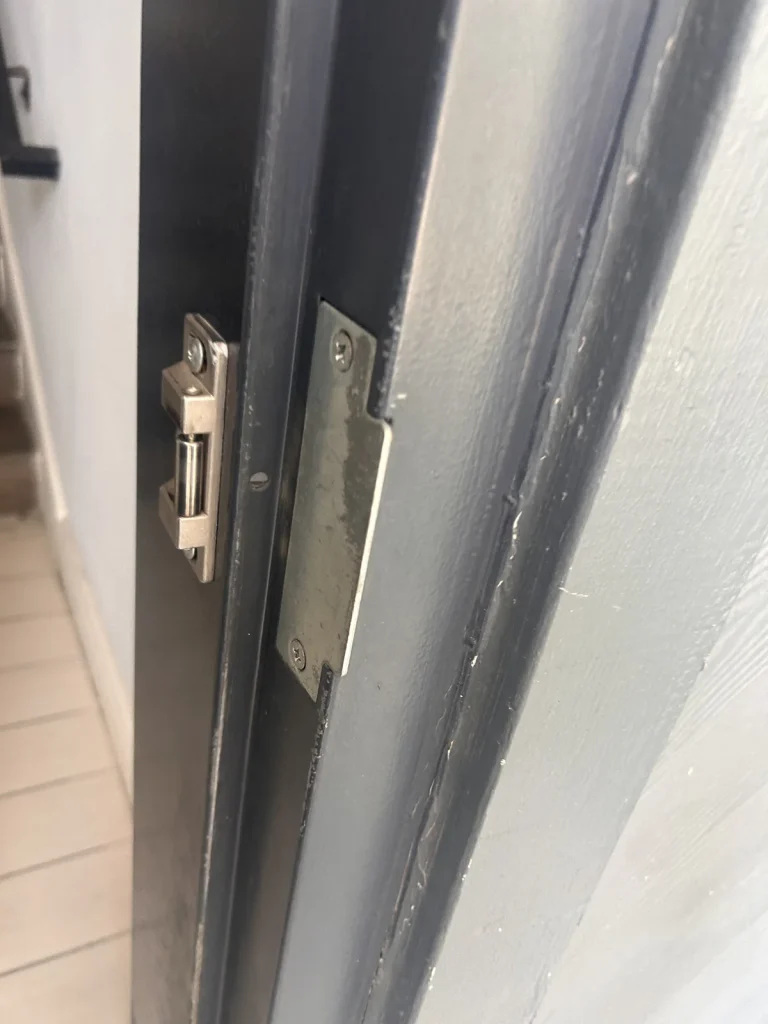
A replacement lock works best when the frame, hinges, and strike plate support its operation. The strike is the metal fitting that receives the latch or bolt when the door closes.
Loose screws, split wood, or an opening that is too shallow can interfere with full bolt movement. Worn hinges may let the door sag and move the lock out of alignment.
We check these points while assessing the replacement. Compatible strike adjustments or hardware changes may be appropriate, depending on the condition of the opening.
Major frame damage or extensive wood deterioration may need a door repair professional. We explain when that separate work should happen so you are not left relying on new hardware attached to damaged material.
The work takes longer when a replacement needs more than a direct hardware swap. Door damage, unusual lock bodies, missing components, and alignment problems can all affect the visit.
Replacing several locks also requires time to coordinate keys and test each entrance. Electronic models may need additional setup after the physical installation.
Call to discuss current scheduling and your situation. We can give more useful guidance once we understand the doors and requested work.
Forcing a sticking lock can break a key or worsen damage inside the mechanism. If the key bends, the cylinder shifts, or the bolt will not retract, stop repeated attempts and seek help with the binding lock.
Avoid drilling, hammering, or taking apart the only usable entrance lock without another safe access plan. Household oils can also attract dirt or interfere with some lock materials.
If a key breaks, keep the remaining piece and tell us what happened. Do not push another object into the keyway.
After a suspected break-in, prioritize personal safety and contact emergency services if there is immediate danger. Once the property is safe, we can assess lock damage and explain replacement needs. Avoid disturbing possible evidence before receiving guidance from responding authorities.
Clear access to the doors helps us inspect and replace the hardware without unnecessary interruptions. A few simple steps also help protect pets, children, and household belongings while an entrance is open.
If you rent, check with the property owner or manager before changing hardware in your apartment. Confirm how replacement keys or access codes should be handled.
A completed replacement should operate smoothly with the door both open and closed. Testing only an open door can miss a bolt that catches against the frame.
We check that the latch catches, the deadbolt extends fully, and the inside control works correctly. The door should not require lifting or repeated slamming to lock.
You should also try every new key before storing copies or handing them out. With a keypad model, test normal entry and review the model’s backup access method.
Ask any household member with limited grip strength to try the controls when possible. A lock that feels easy for one person may be awkward for another, so usability deserves attention before the visit ends.
Routine checks can catch loose hardware and door movement before they become a lockout problem. Watch for new resistance instead of accepting it as normal wear.
Never paint over moving lock components or fill the keyway with general household lubricant. If the lock starts binding, note whether it happens with the door open, closed, or both. That observation gives us a useful place to begin.
Scorpion Locksmith helps you make practical replacement decisions based on your doors, existing hardware, and household access needs. We explain fit concerns, discuss suitable options, and check the installed lock in normal use.
Whether you have a damaged deadbolt, an aging handle set, or several entrances using different keys, start with a clear description. Tell us which door is involved, what the lock is doing, and whether the home can currently be secured.
For residential lock replacement in Houston, call (281) 623-1517 or visit Scorpion Locksmith online. Contact our team to discuss your Houston, TX home and arrange the next step.
It's a good idea to replace your locks if you've moved in recently, lost your keys, experienced a break-in, or want extra security.
You can replace a single lock, but changing all ensures consistent security and convenient access with one key.
Most lock replacements are completed within an hour or less, depending on the number of locks.
Yes, it's best for you to be present to grant access and test the new lock with your keys.
No, a skilled locksmith will change your locks without harming your doors.
Yes, you can request to have your new locks use the same key, depending on the lock type.
Absolutely, you can discuss advanced lock options with Scorpion Locksmith for added peace of mind.
Most types, including deadbolts, knob locks, and handles, can be replaced by a professional locksmith.
Yes, Scorpion Locksmith offers emergency lock replacement services for urgent situations.
You can call or visit Scorpion Locksmith’s website to book a residential lock replacement service.
Locked out of a work truck or missing its key? Gather the truck details, proof of authority, location, and safety concerns before calling for help.
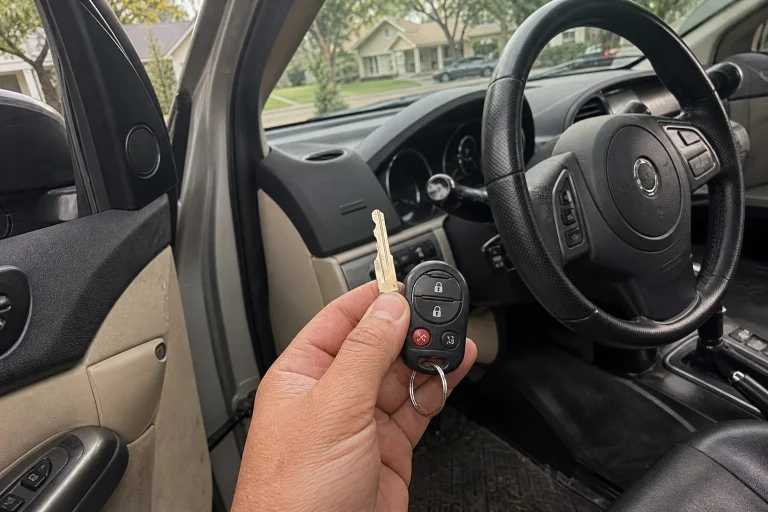
If you have one working car key, making a spare now can help you avoid a last-key emergency and give you time to check that every function works.
If your key goes in but the ignition won’t turn, check steering wheel tension, shifter position, and a spare key before you force anything. Repeated binding may point to a worn key or ignition hardware that needs inspection.