
Automotive Locksmith
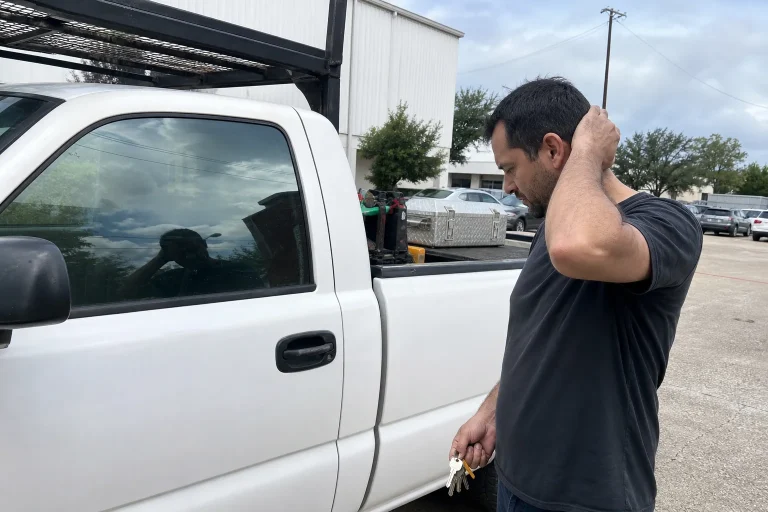
Work Truck Lockout or Lost Key? What Contractors Should Plan For
Locked out of a work truck or missing its key? Gather the truck details, proof of authority, location, and safety concerns before calling for help.
License Number: B09416401
Locked out or need a new key fast? Car locksmith In Houston by Scorpion Locksmith delivers 24 7 mobile help, key replacement and ignition fixes. Call now

Car locksmith service in Houston helps drivers regain vehicle access, replace missing keys, and resolve key or ignition problems. At Scorpion Locksmith, we help Houston, TX drivers identify the issue, check vehicle compatibility, and arrange the next step. Call with your location, vehicle details, and a description of the problem.
Our car locksmith service addresses problems with vehicle locks, keys, remotes, and ignition cylinders. The right approach depends on your vehicle and whether you need access, a replacement key, or help finding a fault.
Locked your keys inside while unloading groceries? Lost your only fob after a long shift? These situations need different tools and checks, even if both leave you standing beside a car that will not cooperate.
When you contact Scorpion Locksmith, describe what happened before the problem began. A key that stopped turning gradually may point to wear, while a missing key creates a different concern.
We can discuss these common needs based on your vehicle and the problem you describe.
Tell us if you still have a working key. That detail can change the steps needed.

Vehicle lockout help focuses on opening the car through a method suited to its locking system. We check the situation before choosing an entry approach.
First, check whether another door is already unlocked, provided you can do so safely. If your vehicle has an existing app-based unlock feature, you can also check whether it is active and usable.
Avoid pushing a coat hanger through a window seal or forcing a wedge into the door. These attempts can damage weather seals, trim, wiring, or the door frame without reaching the lock.
Let us know where the key is inside the vehicle. A key visible on the seat presents a different situation from a fob locked in the trunk.
If a child, vulnerable person, or animal is trapped in dangerous heat, call 911 immediately. A routine locksmith visit is not a substitute for emergency response. See NHTSA child safety guidance for vehicle heat safety information.
Replacing a lost car key requires identifying the correct key type and checking how the vehicle accepts it. A basic metal key, transponder key, and proximity fob do not follow the same process.
Do you have a spare, or are all keys missing? A working spare may help with identification and testing, while an all-keys-lost situation can require additional procedures.
If you believe a key was stolen, say so before work begins. Depending on the vehicle, electronic key access may be changed, but that does not necessarily prevent a missing metal blade from opening a door.
We can discuss the limits of each option before you choose a replacement path.
A transponder key needs both the correct physical cut and a compatible electronic chip. Cutting the blade alone may allow it to turn without allowing the engine to run.
The vehicle checks the chip through its security system. If the chip is missing, damaged, or not recognized, the vehicle may refuse to run or show a security warning.
Programming methods vary by make, model, year, and installed equipment. We check compatibility before treating a new key as ready for use.
Tell us if the vehicle recently had ignition work, a module replacement, or an aftermarket alarm installed. These changes can affect the process.
Do not assume an online key is usable because its case looks identical. Internal components can differ, and some previously programmed keys cannot be reused on another vehicle.
A remote problem may come from the fob battery, damaged buttons, lost programming, or a vehicle-side fault. Replacing the entire fob is not automatically the first step.
Does the car run normally while the remote buttons fail? That symptom differs from a push-button vehicle displaying a “key not detected” message.
Check the owner’s manual for the correct fob battery and any backup recognition procedure. Some vehicles have a specific location where a weak-battery fob must be held.
Avoid repeatedly opening a fragile fob case with the wrong tool. Small clips are not known for their patience.
Broken key extraction involves removing the lodged piece and checking the lock or ignition for damage. A replacement key alone will not solve a fragment still blocking the cylinder.
Stop inserting tools or another key once you notice the break. Pushing against the fragment can move it farther inside and make removal harder.
Do not use glue on the broken end. Adhesive can spread into the cylinder and turn a key problem into a lock problem.
Keep any pieces you still have and tell us where the break occurred. A key broken in a door lock may require a different approach from a key snapped in an ignition.
After removal, the cylinder should be checked for binding or wear. If the original key was bent or badly worn, copying that damaged shape may carry the same trouble into the replacement.
A key that will not turn does not automatically mean the ignition cylinder needs replacement. Steering lock pressure, a worn key, or a vehicle interlock can create similar symptoms.
If your key will not turn, avoid twisting it harder. Excess force can bend the blade or break it inside the ignition.
With the vehicle secured, check that an automatic transmission is fully in Park. Follow the owner’s manual for gently relieving steering wheel pressure while trying the key.
Tell us whether the key turns, whether dashboard lights appear, and whether the engine attempts to run. These observations help separate a mechanical key issue from a battery, starter, or other vehicle fault.
Car locksmith work may address the lock cylinder or key-related problem, but not every ignition complaint is locksmith work. Some symptoms require an automotive technician, and we will discuss that distinction based on the information available.
A locksmith visit begins with confirming the location, checking authorization, and examining the problem. We then discuss the suitable approach before proceeding.
For drivers needing a car locksmith in Houston, useful information on the first call helps reduce confusion at the vehicle. “The key turns but nothing happens” is more useful than “the ignition is broken.”
Keep your phone nearby so we can clarify access instructions. If your documents are locked inside, mention that during the call rather than waiting until the visit.
Service timing depends on your location, current availability, vehicle access, and the work required. An uncomplicated lockout and an all-keys-lost programming job should not be treated as identical appointments.
Houston traffic, severe weather, parking restrictions, and gated entrances can affect travel. Tell us if the vehicle is on a garage’s upper floor or behind a controlled entrance.
The vehicle itself can also affect the work. Damaged locks, prior modifications, a weak battery, or unavailable compatible components may require extra steps.
Ask for the current arrival estimate when you call, and keep in mind that road conditions can change. A useful estimate should reflect your actual location and situation rather than a blanket promise.
We also need room to work safely. A vehicle beside fast-moving traffic may need roadside or towing assistance before lock or key work can proceed.
The safest place to wait depends on traffic, weather, visibility, and who is with you. Personal safety comes before recovering a key or protecting your schedule.
If the car is parked near moving traffic, avoid standing on the traffic side. Move to a safer nearby location when possible, and give clear directions during your call.
Keep these points in mind while arranging emergency locksmith help.
Houston heat can make an exposed parking lot uncomfortable quickly. If a nearby business offers a safe place to wait, tell us where you will be.
Do not enter floodwater to reach a vehicle. Lock service can wait until access is safe.
Preparing your location and vehicle information helps the visit move forward with fewer interruptions. You do not need to diagnose the fault yourself.
In a large parking lot, the street address may bring someone to the wrong entrance. Share a row marker, nearby store entrance, garage name, or vehicle color.
If you are arranging car key duplication, tell us whether a working spare is available.
If your phone has limited charge, send essential location details early. A clear description can be more useful than a pin that points to the middle of a shopping center.
You do not need to share private documents publicly. Ask how identification will be checked.
Car locksmith help in Houston works best when the location includes practical access details. Apartment garages, office lots, hospital parking areas, and roadside stops each create different obstacles.
At an apartment property, tell us whether visitor access requires a gate code or resident approval. At an office building, check whether security must approve a service vehicle.
If you are near the Texas Medical Center, provide the garage name and floor rather than only the facility address. For airport parking, identify the lot, section, and any entry restrictions.
A location near I-10 or Beltway 8 needs more detail than the road name alone. Give the direction of travel, nearest exit, and whether the vehicle is safely off the roadway.
For locations outside Houston, Texas, call to confirm service availability. Sharing your exact location early helps establish whether assistance can be arranged there.
A completed key or lock service should include checking the functions involved in the job. Testing helps distinguish a resolved issue from an intermittent symptom that still needs attention.
For a replacement key, test the mechanical blade where applicable and confirm the vehicle recognizes the key. For a remote, check the buttons included in the work.
Keep a working spare somewhere secure and accessible, not inside the locked vehicle. A spare in the glove box has excellent shelter but limited usefulness during a lockout.
If a lock begins sticking again, address it early. Do not keep forcing the key until it breaks.
Scorpion Locksmith keeps the conversation focused on your vehicle, symptoms, and available options. We ask practical questions so the proposed work matches the problem you describe.
You should understand whether you need entry assistance, a replacement key, programming, or further diagnosis. Those are different tasks, and confusing them can lead to unnecessary work.
Ask what functions will be tested and whether the vehicle has any known compatibility limits. If you already bought a replacement fob, mention it before arranging programming.
We also want to know about unsuccessful attempts by you or another provider. A damaged door seal, partially removed cylinder, or altered key can change the next step.
Clear information helps both sides make a sound decision. There is no need to know locksmith terminology to explain what your car is doing.
For a car locksmith in Houston, contact Scorpion Locksmith with your location and vehicle details. We can discuss the problem, check current availability, and explain what information is needed next.
Are your keys inside, completely missing, or no longer working? Begin with that answer, then share the make, model, year, and whether you have a spare.
Call (281) 623-1517 or visit our contact page to request help in Houston, TX. If you are in an unsafe location, explain that immediately so safety remains the first concern.
A car locksmith helps people who are locked out of their cars, have lost their keys, or need help with car locks and keys.
Yes, car locksmiths like Scorpion Locksmith can assist you in getting back into your car if you’re locked out.
Yes, a car locksmith can create a new key for your vehicle, even if you don’t have the original.
Yes, Scorpion Locksmith can assist with many types of car keys, including key fobs and remote keys.
Call a car locksmith, such as Scorpion Locksmith, who can safely remove the broken key and assist with a replacement if needed.
Many car locksmiths, including Scorpion Locksmith, offer services outside of regular business hours.
Car locksmiths are trained to work with a wide range of makes and models.
Arrival times can vary, but car locksmiths like Scorpion Locksmith focus on prompt service.
Yes, a car locksmith can diagnose and help resolve issues with keys that are stuck or not working.
Yes, most locksmiths, including Scorpion Locksmith, require proof of ownership for your security and safety.
Locked out of a work truck or missing its key? Gather the truck details, proof of authority, location, and safety concerns before calling for help.
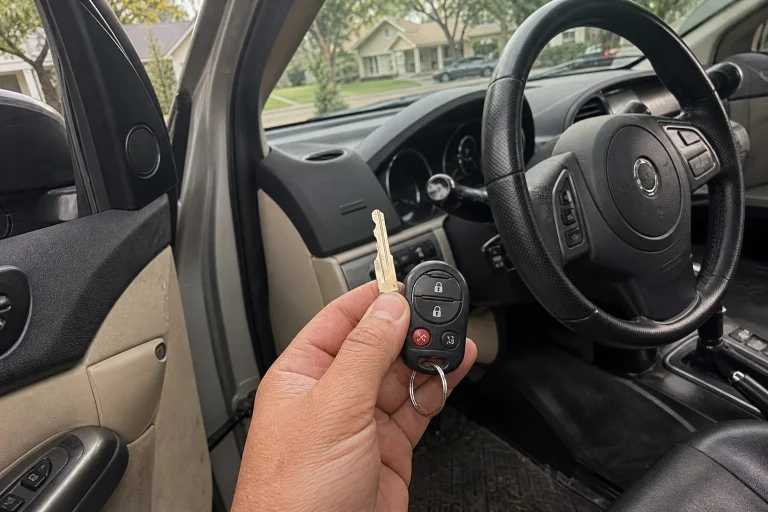
If you have one working car key, making a spare now can help you avoid a last-key emergency and give you time to check that every function works.
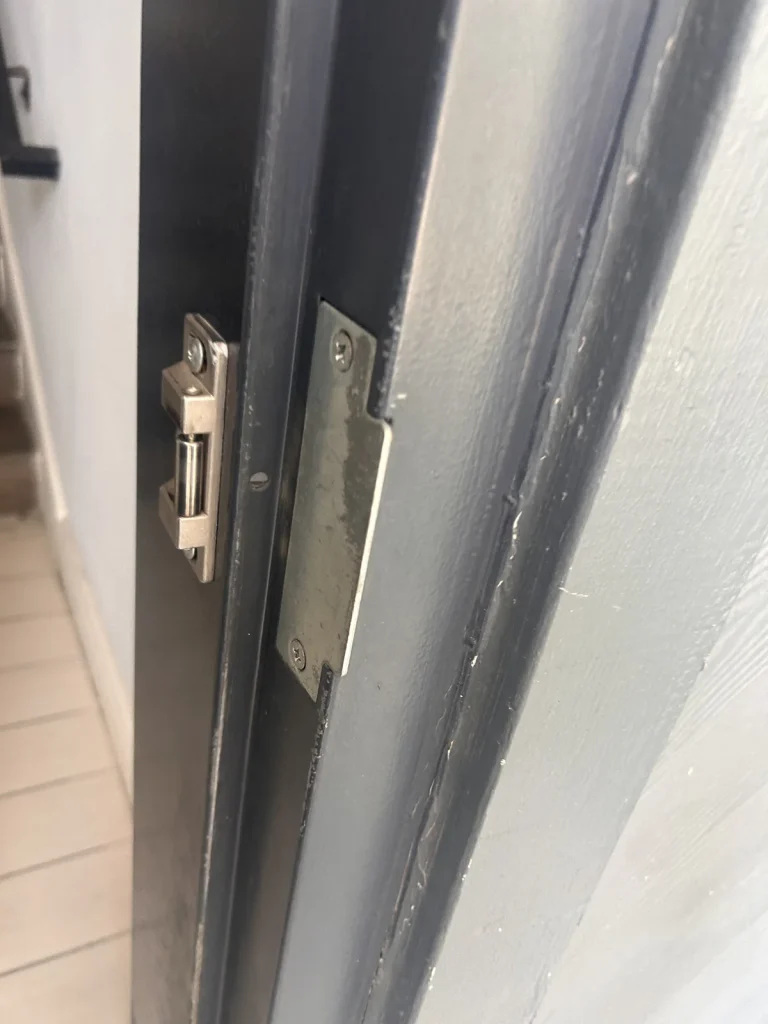
If your key goes in but the ignition won’t turn, check steering wheel tension, shifter position, and a spare key before you force anything. Repeated binding may point to a worn key or ignition hardware that needs inspection.