
Automotive Locksmith
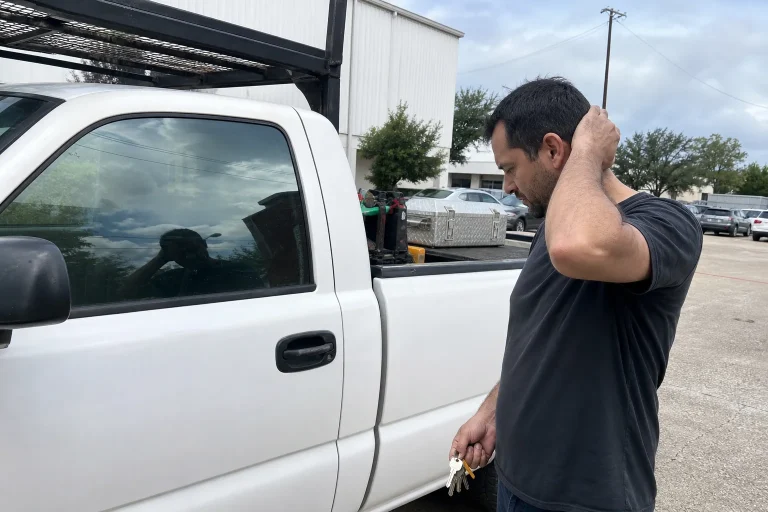
Work Truck Lockout or Lost Key? What Contractors Should Plan For
Locked out of a work truck or missing its key? Gather the truck details, proof of authority, location, and safety concerns before calling for help.
License Number: B09416401
Residential Locksmith In Houston by Scorpion Locksmith. Fast lockout help rekey and smart lock installs. 24 7 local pros, fair rates, fast response. Call now

Residential Locksmith in Houston covers home lockouts, rekeying, lock repairs, and new lock installation. Scorpion Locksmith helps Houston, TX homeowners regain entry, manage who has keys, and address worn or damaged door hardware. We focus on the lock, the door, and how your household uses both.
A home lock should work without a wrestling match. If you must lift the handle, pull the door hard, or wiggle a key every morning, something needs attention. Small problems can become lockouts or leave a door harder to secure.
Call (281) 623-1517 or visit our website to discuss your home’s locks. Tell us what is happening, which door is affected, and whether you can currently get inside.
Residential locksmith service helps you enter your home and control access through its exterior doors. The work may involve a single lock, several doors, or a change in how family members enter.
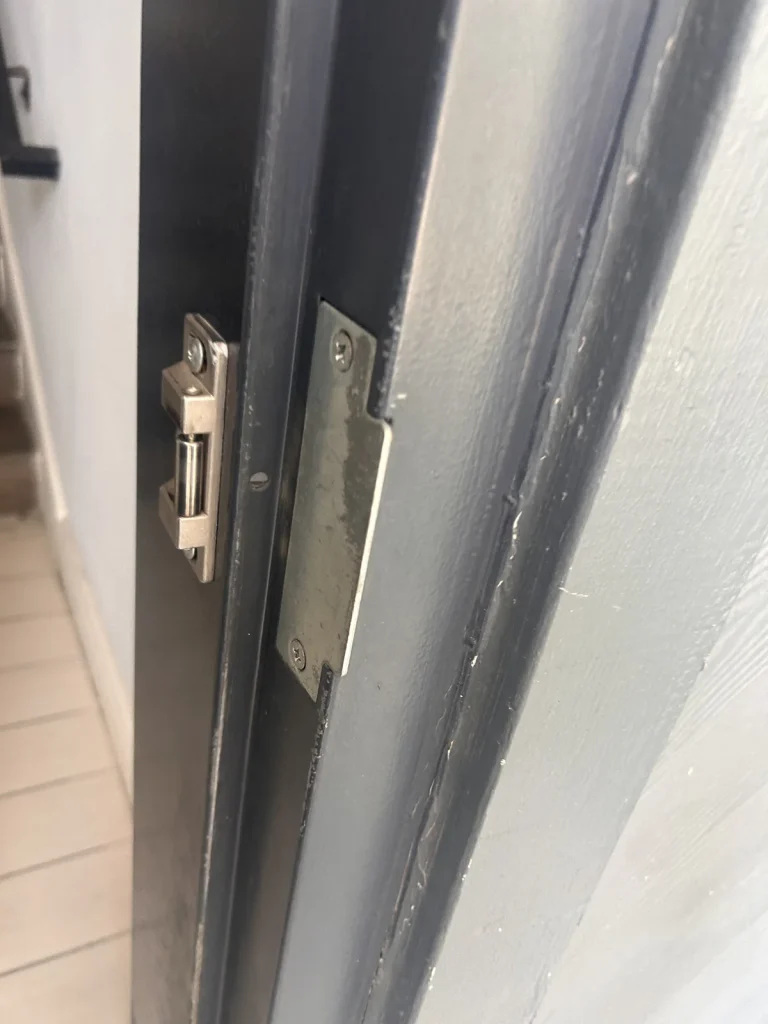
At Scorpion Locksmith, we look beyond whether a key turns. A working cylinder does little good if the deadbolt cannot fully enter the frame or the latch misses its strike plate.
Not sure whether the lock or door is causing trouble? Describe what changes when the door is open versus closed. That simple detail can help narrow the issue.

A home lockout calls for a careful entry approach based on the lock and door condition. We assess the hardware before choosing a method and discuss work that may affect the lock.
Are your keys inside, lost, or broken in the cylinder? Those situations can require different steps, so share that information when you call.
Please expect us to confirm your authority to access the home.
If a child, vulnerable person, or pet faces immediate danger inside, contact emergency services first. A locksmith visit should not delay urgent help.
Rekeying changes the working parts inside a compatible lock so a different key operates it. The existing lock body and handle can often stay in place if they remain in good condition.
This is a useful option after moving, losing keys, or changing who should have access. It removes the old key’s ability to operate the rekeyed cylinder, but it does not fix worn hardware or strengthen a damaged frame.
We check the lock’s condition before recommending rekeying. Hardware that sticks because of internal wear may need repair or replacement instead.
Would you prefer a single key for several doors? Compatible cylinders can sometimes be keyed alike. Different brands or keyways may require hardware changes, so we inspect the locks before confirming what will work together.
Changing key access after a move helps you control who can enter your new home. A seller may hand over every key they have, yet older copies can still exist.
Start with exterior doors rather than only the front entrance. The side door, back door, and door between an attached garage and the house also deserve attention.
For a rental, confirm permission with the owner or property manager before changing hardware. Coordinate the work so everyone responsible for access understands what changed.
A sticking lock needs a diagnosis before parts are replaced. The problem may come from the cylinder, loose mounting screws, a worn latch, or a door that no longer lines up with the frame.
Notice whether the key turns smoothly with the door open. If it does, but the deadbolt binds when the door closes, alignment may be the main issue.
Our Residential Locksmith in Houston service checks how the key, bolt, latch, and strike plate work together. We also look for visible damage and hardware movement that could affect operation.
Do not keep forcing a reluctant key. Bent keys can break, and repeated pressure can worsen an existing fault. Tell us whether the problem started suddenly, followed a hard door slam, or developed over several weeks.
Lock replacement is appropriate when the existing hardware cannot provide dependable everyday operation. It can also help when you want a different lock type or need compatible hardware across several entrances.
A loose decorative cover does not always require a new lock. A cracked lock body, damaged cylinder, or unreliable bolt mechanism may call for a different solution.
We review the door’s measurements and current holes before discussing replacement options. Door thickness, handle spacing, and the distance from the door edge to the lock opening all affect fit.
Finish matters, but function comes first. Choose hardware that household members can operate comfortably and that suits the door’s exposure to weather. Replacing the lock alone will not correct a split jamb, a dragging door, or badly worn hinges.
A deadbolt works properly when its bolt extends fully into a sound, correctly positioned strike opening. Installing the lock is only part of the job.
We check the door material, existing holes, frame condition, and clearance around nearby hardware. These details help determine whether a replacement fits the current setup or whether new preparation is needed.
For a new deadbolt, placement must allow comfortable operation without crowding the handle. The interior side should also support safe exit and fit the household’s needs.
After installation, the bolt should move without requiring you to shove or lift the door. If you need a shoulder workout to lock up, the fit needs another look. We test the operation with the door both open and closed.
Keypad and smart lock installation requires compatible hardware, smooth door movement, and a clear plan for daily access. An electronic lock cannot correct a deadbolt that binds against the frame.
Some models work with entry codes only. Others offer app control, remote access, or connections to other home devices, depending on the product and its requirements.
Keep the manufacturer’s instructions and understand the backup entry method. Change default codes during setup, remove access when it is no longer needed, and keep account credentials private.
A broken key should be removed without pushing the fragment farther into the cylinder. Trying another key or inserting improvised tools can make extraction harder.
Stop turning the lock once the key breaks. Keep the remaining piece and tell us whether any part of the fragment is visible.
A broken key does not automatically mean the entire lock needs replacement. We assess the cylinder after extraction to check for damage and determine why the key failed.
Sometimes a worn or bent key is the problem. In other cases, a stiff lock or misaligned door placed too much stress on it. Making a new key without addressing that resistance can lead to another break, so the full operation needs checking.
Houston heat, humidity, and heavy rain can contribute to changes in how doors fit their frames. Wood may swell, weatherstripping may press against the door, and exposed hardware may collect moisture or debris.
A lock that works well during dry weather but binds after rain may have an alignment issue. The same applies when a door begins rubbing near the top or dragging across the threshold.
Homes across Houston, Texas use many door materials and hardware styles. Older wood doors and newer metal or fiberglass doors can present different fit problems.
Tell us whether the issue follows weather changes or affects more than one door. We can address lock-related concerns and explain when a door, frame, or structural repair needs another trade. Not every stubborn deadbolt is the main culprit.
A residential locksmith visit starts with confirming access authority and checking the reported problem. We then explain the proposed work before making changes to the hardware.
If we find a separate concern, we explain it rather than treating every symptom as the same problem.
The time needed depends on the number of locks, their condition, and the work required. A straightforward rekey can involve fewer steps than fitting new hardware to a door with damaged openings.
Broken parts, painted-over screws, missing components, and poor alignment can add work. Electronic lock setup may also require account access, device pairing, or a product-specific accessory.
Share photos of the inside and outside hardware if requested. Include the door edge and any visible brand name so we can better understand the setup.
Ask about current availability when you call rather than assuming a fixed arrival time. Traffic, location, and ongoing jobs can affect scheduling. We can discuss the next steps based on the information available when you contact us.
A little preparation makes it easier to inspect and work on your door. You do not need to remove the lock or take anything apart first.
If you are locked out, explain what you can access rather than trying to gather items inside. For planned installations, avoid drilling new holes before compatibility is checked. Extra holes can limit hardware choices and create more work.
Routine checks help you spot wear before a lock stops working. Pay attention to changes in feel rather than waiting until a key will not turn.
Keep keys clean and stop using copies that are bent, cracked, or badly worn. Avoid hanging a heavy bundle from a key while it is in the door.
Use only a lubricant recommended for the specific lock. Do not flood the cylinder with household oil, which can attract dirt or interfere with some mechanisms.
Check electronic lock batteries according to the product instructions and respond to low-battery alerts. After any adjustment or battery change, test operation while you still have another way inside. Keep a spare with a trusted person rather than beneath a doormat, where it is not much of a secret.
Scorpion Locksmith helps you connect the lock problem with a sensible next step. Our focus is the door you use, the access you need, and the condition of the hardware already there.
You may need a rekey rather than new handles throughout the house. You may also need a door-fit correction before an upgraded lock can work properly.
We explain those differences in plain language so you can make an informed choice. Tell us if children, older adults, or someone with limited hand strength uses the door regularly.
Good residential lock service includes checking daily operation, not just installing a part. Before the work is finished, try the lock yourself and confirm that the keys, codes, and interior controls make sense for your household.
Contact Scorpion Locksmith for Residential Locksmith in Houston service when you need help with entry, key access, or door hardware. We can discuss a current lock problem or help you plan changes after a move.
Have your address, the affected door location, and a short description of the issue ready. Mention whether you are locked out, whether the lock is damaged, and whether you rent or own the home.
Call (281) 623-1517 or visit our contact page to discuss service in Houston, TX. From a sticking deadbolt to a new keypad lock, start with a clear description of what you need.
A residential locksmith helps with locks and keys for homes, including services like lockouts, rekeying, and new lock installation.
Yes, Scorpion Locksmith provides quick and reliable house lockout services.
Yes, Scorpion Locksmith can rekey your locks so old keys no longer work.
Not always; a locksmith can often rekey your existing locks, making lost keys obsolete.
Yes, Scorpion Locksmith can install new locks to improve your home’s security.
Yes, duplicate house keys can be made by Scorpion Locksmith.
Yes, Scorpion Locksmith can install and set up smart locks if you want a keyless entry option.
Contact a locksmith like Scorpion Locksmith to assess and secure your locks and doors.
Yes, Scorpion Locksmith can repair or replace problem locks to make sure they work smoothly.
Simply call Scorpion Locksmith or visit their website to book an appointment at your convenience.
Locked out of a work truck or missing its key? Gather the truck details, proof of authority, location, and safety concerns before calling for help.
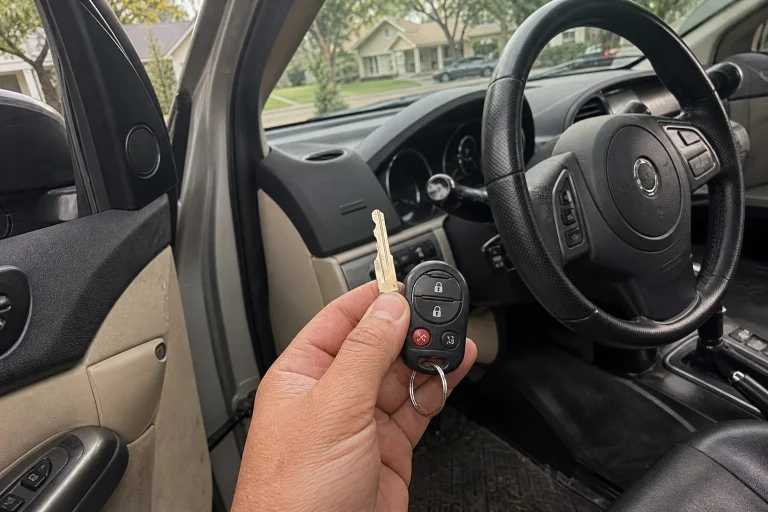
If you have one working car key, making a spare now can help you avoid a last-key emergency and give you time to check that every function works.
If your key goes in but the ignition won’t turn, check steering wheel tension, shifter position, and a spare key before you force anything. Repeated binding may point to a worn key or ignition hardware that needs inspection.