
Automotive Locksmith
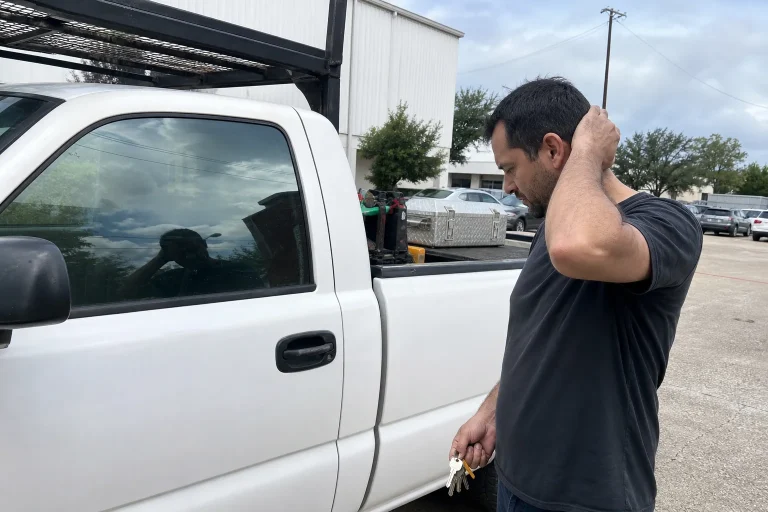
Work Truck Lockout or Lost Key? What Contractors Should Plan For
Locked out of a work truck or missing its key? Gather the truck details, proof of authority, location, and safety concerns before calling for help.
License Number: B09416401
Need Panic Bar Installation In Houston Call Scorpion Locksmith for ADA code compliant exits same day service 24 7 licensed techs and a one year warranty
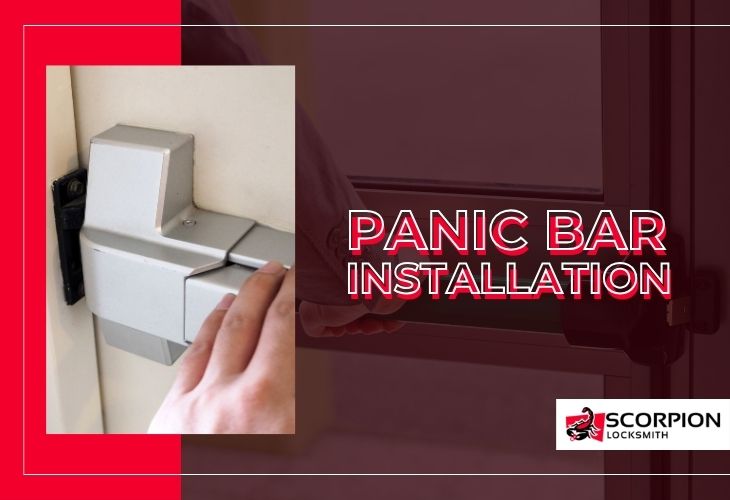
Panic Bar Installation in Houston equips exit doors with push-operated hardware so people can leave without using a key from inside. Scorpion Locksmith helps Houston, TX businesses select compatible exit devices, address door fit, and check operation, with attention to everyday security, accessibility, and applicable building requirements.
A panic bar releases a door latch when someone pushes the bar or touchpad from inside. It provides a clear way to open an exit without turning a knob or using a key during normal operation.
You may hear this hardware called a crash bar, push bar, or exit device. Although those names often overlap, the correct product depends on the door, building use, and any fire-rating requirements.
The inside and outside functions can differ. People may need an easy exit from inside while the exterior remains locked against unauthorized entry.
Does your current exit require a twist, pull, or explanation? That is a good reason to have the hardware reviewed. An exit door should not need a pep talk before it opens.
The right exit device must match both the door assembly and how the space is used. Choosing by appearance alone can lead to poor fit, difficult operation, or hardware that is unsuitable for the opening.
Scorpion Locksmith looks at the opening before recommending an installation approach. Useful details for a commercial locksmith include door material, width, swing direction, frame condition, and existing lock preparation.
A small office exit and a busy restaurant entrance may face very different demands. A warehouse door may also have exposure to moisture, dust, or repeated cart traffic.

A door that fails to open with normal pressure needs prompt review. A worn exit device can create trouble even when the bar still looks intact.
Watch for a touchpad that sticks, a latch that catches, or a door that needs a shoulder push. Loose mounting points, scraping rods, and delayed latch release also deserve attention during a commercial lock repair assessment.
Sometimes replacement is appropriate. Other times, a door alignment issue or damaged strike is causing the problem rather than the bar itself.
Do not keep a troublesome exit in routine use without addressing the concern.
Rim, vertical rod, and mortise exit devices use different latching arrangements. Selecting the correct type for exit device installation helps the hardware work with the existing door and frame.
A rim device usually latches into a strike at the side of the frame or at a compatible mullion. It is common on many single doors and some paired-door arrangements.
Vertical rod devices use connections near the top and, depending on the assembly, the bottom of the door. They can serve paired openings, but rod alignment and floor conditions affect operation.
Mortise exit devices use a lock body fitted within the door edge. They require compatible door preparation and careful coordination with the exterior trim during commercial lock installation.
We explain the practical differences before work begins. The goal is a suitable device, not simply a bar that covers the old mounting holes.
A fire-rated door may require fire exit hardware rather than an ordinary panic device. Similar appearance does not make these products interchangeable when planning panic bar installation.
The door, frame, latch, closer, and other components must function together as an appropriate assembly. Some changes require review before drilling or replacing hardware.
Mechanical dogging, which holds a latch retracted on certain panic devices, is not appropriate for fire exit hardware. Holding a fire door open with a wedge can also defeat its protective function. OSHA’s exit route requirements provide workplace safety guidance.
Scorpion Locksmith checks visible labels and existing hardware when reviewing the opening. If the rating or permitted configuration is unclear, that question should be resolved before installation.
Keep labels readable and avoid painting over them. A missing or damaged label can make product selection and approval more difficult.
An accessible exit requires attention to the whole opening, not just the device attached to it. Hardware operation, door force, usable clearance, thresholds, and the approach can all affect access.
A push bar may simplify operation, but adding one does not automatically make a doorway compliant. A heavy closer or a tight approach can still create difficulty.
Can someone reach the bar comfortably and move through the opening without fighting the door? That practical question helps reveal problems that a hardware-only review may miss.
Applicable requirements depend on the building and scope of work. Where approval is needed, the property owner should coordinate with the appropriate Houston building or fire authority.
Our locksmith services for buildings can identify hardware-related concerns without presenting a new bar as a complete answer to every accessibility issue.
Panic Bar Installation in Houston starts with checking the door before mounting the device. A sound opening gives the new hardware a better chance to operate correctly under daily use.
Our installation approach follows a practical sequence.
The sequence may change if damaged framing or an uncertain door rating requires another step first.
We explain those concerns rather than covering them with new hardware.
A misaligned door can make a new panic bar difficult to operate. Replacing the device alone will not correct loose hinges, a shifted frame, or a door that drags against the threshold.
Latch pressure is a common concern. If the door presses too tightly against the strike, people may need excessive force to release it.
Weather seals and closer settings can also affect performance. On exterior doors, checking those items helps separate hardware trouble from resistance elsewhere in the opening.
Our review looks for the cause of the symptom. If the opening needs work beyond the locksmith scope, we explain what requires attention before proceeding.
Avoid filing strikes or bending rods as a quick fix. Those changes can conceal the original problem and interfere with the correct hardware fit.
Exit hardware can allow inside egress while restricting entry from outside. The exterior function should match how staff, visitors, and delivery personnel use the building.
Some doors need keyed exterior trim. Others need an outside pull with no routine entry function, or a compatible connection to an electronic access system.
Electronic components need careful coordination with egress requirements and the existing system. Not every electric lock or access reader can be connected directly to every panic device.
We review the requested function rather than treating all locked doors alike.
A pair of doors needs an exit hardware arrangement that works across the entire opening. The correct solution depends on whether both leaves operate, how they latch, and whether the assembly is fire-rated.
Some pairs use a mullion between the leaves. Others use vertical rod devices or a different approved arrangement.
The opening also needs enough clearance for the doors and hardware to move without conflict. Where closing sequence matters, compatible supporting components may be needed.
Are carts or deliveries regularly hitting the lower hardware? Mention that during the assessment for crash bar installation. Traffic patterns can influence product selection, but any change must remain suitable for the door assembly.
We check both leaves during operation testing. A smooth-moving active door does not tell the whole story if the second leaf fails to latch.
Installation timing depends on the opening, the selected device, and any required preparation. A compatible replacement on a sound door usually involves fewer steps than converting a damaged opening.
Scorpion Locksmith can discuss scheduling after learning about the doors and requested functions. Clear photos and hardware model information help reduce uncertainty before the visit.
Tell us if the door serves a busy customer entrance or a delivery route. That allows the building locksmith work plan to account for building traffic without promising a completion time before inspection.
Clear access and accurate door information help the commercial locksmith visit run efficiently. You do not need to remove the old hardware yourself.
If you send photos, include the full door from both sides, the frame, the latch area, and visible labels. Close-up pictures of the current device can help identify the existing setup.
Avoid removing screws or disconnecting wires before the assessment. That can change the symptoms we need to inspect.
An occupied building needs usable exit routes, so a blocked or failed exit requires prompt attention. Do not wait for the next routine upkeep visit if the bar will not release the door.
Notify the person responsible for building safety and follow the property’s emergency procedures. If there is an immediate threat or people cannot leave safely, contact emergency services.
Do not chain an exit shut, add an improvised lock, or force the device with tools. These actions can create a larger problem and damage components needed for proper operation.
Keep people away from a door with loose hardware or uncontrolled movement while responsible staff arrange a safe response. Scorpion Locksmith can discuss the reported condition and the next practical step for emergency locksmith assistance.
The priority is safe movement through the building, not keeping a troublesome door looking normal.
Houston’s heat, rain, and humidity can expose weaknesses in exterior door assemblies. Moisture, worn seals, corrosion, and debris may affect the latch area or other moving components.
A door that works well in dry weather may behave differently after wind-driven rain. Report that pattern during a lock repair assessment instead of assuming the bar is the only cause.
Across Houston, TX, different properties also put different demands on exit hardware. Restaurant doors may see frequent use, while warehouse openings may face cart impacts and dirt near the threshold.
Commercial properties in Texas should select hardware suitable for the exposure and daily workload when planning commercial lock installation. Interior hardware is not automatically suitable for an exposed exterior opening.
Keep drainage paths and thresholds clear. If wind makes the door slam or become hard to control, have the closer and opening assessed together.
Regular observation helps staff notice changes before the exit becomes difficult to use. Follow the hardware manufacturer’s care instructions for push bars and the property’s inspection procedures.
Look for loose screws, unusual noise, damaged covers, or scraping rods. Record repeated problems so the person handling lock repair service has useful information.
Do not spray random lubricants into the device or tighten adjustment screws without instructions. Some products need specific care, and the wrong treatment can attract dirt or interfere with operation.
Scorpion Locksmith focuses on matching the exit device to the door and explaining how it should function. Our commercial locksmith approach looks beyond the push bar to the strike, hinges, closer, frame, and exterior access needs.
That approach helps property owners understand what the installation addresses and what may need separate attention. If an approval question remains unresolved, we explain the concern rather than claiming every opening follows the same rules.
You can help by describing the problem in plain language. “It sticks after rain” or “staff must pull before pushing” gives us useful information.
Our goal is a practical service conversation and a properly checked exit device installation. You should know how the hardware operates before the job is considered finished.
Call Scorpion Locksmith to discuss Panic Bar Installation in Houston for your commercial property. We can review your door information, explain the next steps, and arrange an assessment based on the opening’s needs.
Have photos, the number of doors, and any current operating concerns ready when you contact us. Mention fire-rating labels, paired doors, or electronic access connections so those details enter the conversation early.
Call (281) 623-1517 or contact us to discuss your exit hardware. Whether you are replacing a worn device or planning a new installation, start with the door, its use, and the people who depend on it.
A panic bar is a door device that allows people to exit quickly and easily in case of emergency.
Panic bars are often required for safety in public buildings and can make emergency exits safer and faster.
Scorpion Locksmith provides professional panic bar installation services.
In most cases, panic bars can be installed on many types of commercial doors, but some doors may need adjustments.
Many local building codes require panic bars on certain types of doors, especially in public and commercial spaces.
Installation time can vary depending on the type of door and specific needs, but most can be completed in one visit.
When installed properly, a panic bar maintains security while allowing safe exit during emergencies.
Sometimes existing hardware works, but in many cases, it’s best to have suitable locks installed with the panic bar for safety.
Regular checks help ensure that panic bars work smoothly and reliably in emergencies.
Contact Scorpion Locksmith to discuss your needs and schedule an installation.
Locked out of a work truck or missing its key? Gather the truck details, proof of authority, location, and safety concerns before calling for help.
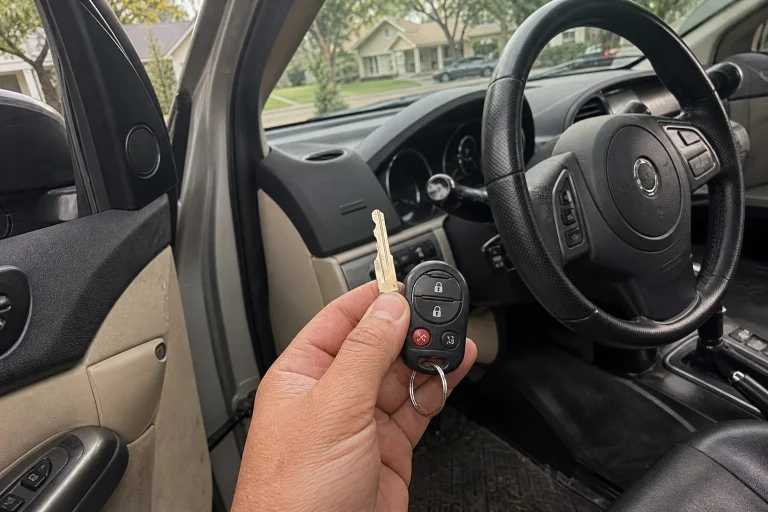
If you have one working car key, making a spare now can help you avoid a last-key emergency and give you time to check that every function works.
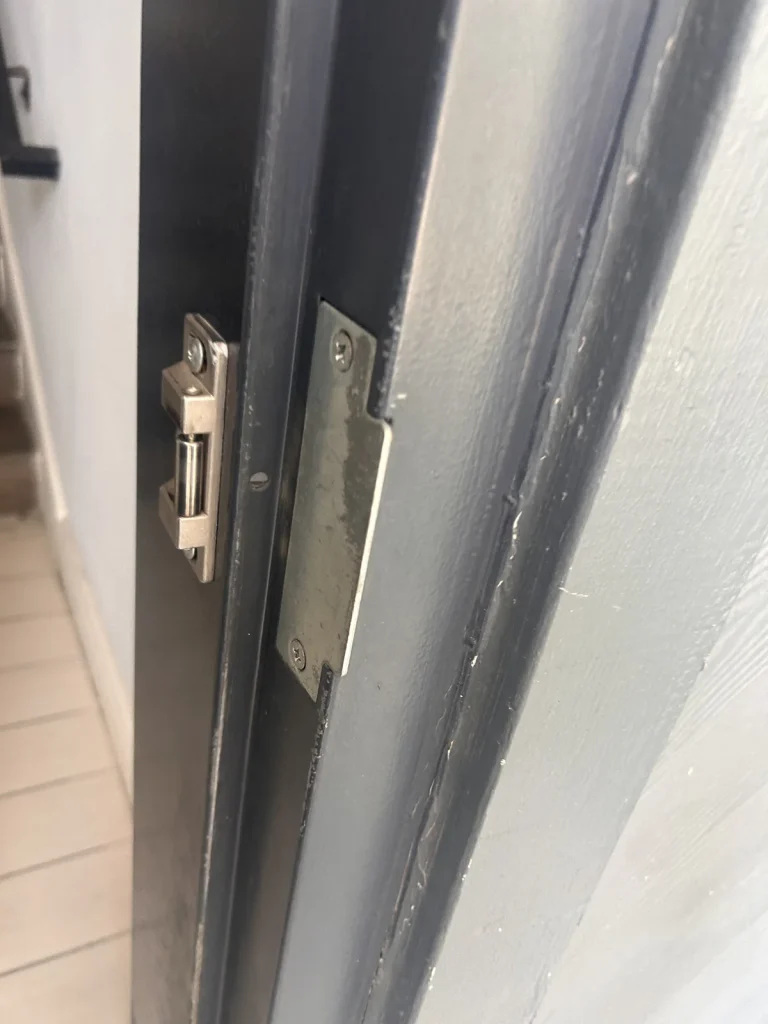
If your key goes in but the ignition won’t turn, check steering wheel tension, shifter position, and a spare key before you force anything. Repeated binding may point to a worn key or ignition hardware that needs inspection.