
Automotive Locksmith
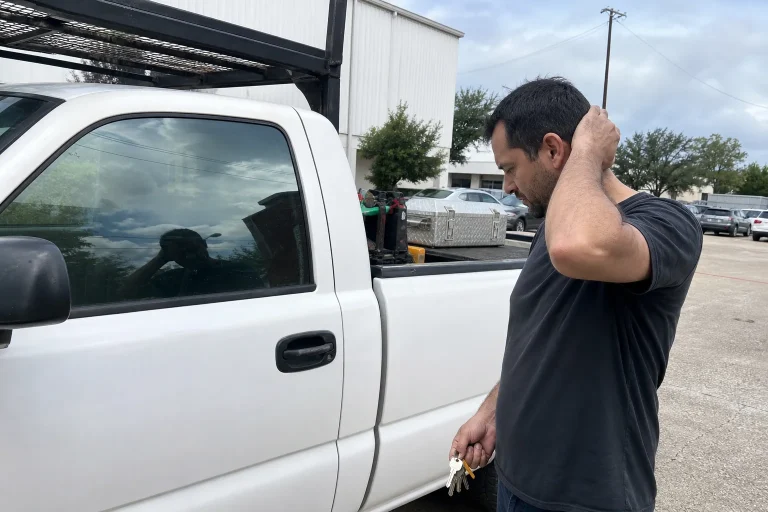
Work Truck Lockout or Lost Key? What Contractors Should Plan For
Locked out of a work truck or missing its key? Gather the truck details, proof of authority, location, and safety concerns before calling for help.
License Number: B09416401
Residential Lock repair In Houston by Scorpion Locksmith. Fast mobile service 24/7, same day repairs, rekey and smart lock upgrades. Free quotes. Call now

Residential lock repair in Houston restores locks that stick, slip, jam, or fail to secure a door. Scorpion Locksmith helps Houston, TX homeowners find the cause, assess repair options, and address worn hardware or alignment problems. We focus on dependable operation, sensible next steps, and doors that close and lock properly.
A lock should not require a shoulder shove, a special wrist motion, or three tries before bedtime. If yours does, the problem may be inside the lock, at the strike plate, or with the door itself.
Call (281) 623-1517 or visit our homepage to discuss your lock problem and arrange service. Tell us which door is affected and whether you can still lock it securely.
Residential lock repair corrects problems that prevent a lock, latch, or deadbolt from operating as it should. The right repair starts with checking the full door assembly, not assuming every problem requires a new lock.
A key that refuses to turn may point to a worn cylinder. A deadbolt that works with the door open but jams when closed often points to alignment trouble.
We assess the condition of the hardware before discussing the next step. Depending on what we find, the work may involve adjusting the strike, tightening mounting screws, servicing the cylinder, or replacing a damaged component.
Specialty hardware may need model-specific components.
Sharing a photo before the visit can help us understand what is installed.

A lock that feels different from its usual operation should be checked before it stops working completely. Small changes often give you a chance to address the issue while the door is still usable.
Have you started lifting the handle to get the deadbolt across? Does your key need a little extra encouragement every evening? Those changes are clues, not normal maintenance requirements.
A lock that sometimes works can still leave a home unsecured. Check whether the bolt actually extends into the strike opening rather than judging by the sound of a click.
A shifting or sagging door can prevent a good lock from working correctly. Houston humidity, moisture exposure, loose hinges, and changes around the frame can affect how the latch meets the strike.
Wood doors may swell during damp weather. Repeated use can also loosen hinge screws, allowing the door to drop enough that the deadbolt rubs against the strike opening.
You can make a useful observation without taking anything apart. If safe, test the lock with the door open, then compare its operation with the door closed.
If it works smoothly while open but resists while closed, tell us. That pattern suggests checking alignment before replacing the cylinder.
We also look for weatherstripping that presses too firmly against the door. A lock should secure the opening, not serve as a tool for pulling a poorly fitting door into place.
Key wear and cylinder wear can create similar symptoms, but they do not always call for the same repair. Checking both helps avoid replacing hardware that is still usable.
A bent key, worn cuts, or a rough duplicate may bind inside an otherwise functional cylinder. Internal wear or debris can also prevent the pins from moving correctly.
Does another existing key work better? That comparison can help, but do not force either key if resistance increases.
If a key breaks inside the lock, extraction may be possible without replacing the entire assembly. The next step depends on the fragment’s position and the cylinder’s condition.
Our repair process begins with your description of the problem and an inspection of the affected door. We check how the lock behaves before deciding what needs attention.
For residential lock repair in Houston, a useful assessment considers the key, cylinder, mounting hardware, latch, bolt, hinges, and strike. Skipping the door fit can leave the original problem unresolved.
You should understand what changed before the visit ends. We can also point out door or frame issues that need attention beyond the lock.
Repair restores operation, rekeying changes which key works, and replacement changes the hardware. The best choice depends on both the condition of the lock and your access concerns.
A sticky cylinder may need service. A functioning lock with missing keys may need rekeying instead. A cracked housing or badly damaged mechanism may call for replacement.
Rekeying does not correct a misaligned door or restore broken components. It changes the cylinder’s key configuration so previous keys no longer operate that rekeyed cylinder.
Replacement may make sense if compatible repair components are unavailable or the lock has extensive damage. We explain those limits rather than treating replacement as the automatic answer.
If you recently moved into a Houston home, consider two separate questions. Does the hardware work properly, and do you know who still has a working key?
Loose entry hardware can prevent proper latching even when the keyed cylinder still works. Movement in the handle, mounting plate, or latch assembly can worsen with regular use.
An entry lever that droops may have worn internal components. A knob that spins without moving the latch may have a damaged connection inside the assembly.
Tightening visible screws is not always the full solution. Incorrect screw tension can also bind some locks, so the hardware needs testing after any adjustment.
A door that closes without latching deserves prompt attention. Wind, pressure changes, or a light push may open it again.
Tell us if the problem involves a garage entry or another frequently used door. Repeated daily use can make intermittent latch problems especially disruptive for a household.
An electronic lock needs sound mechanical operation even if its keypad and phone controls respond normally. A motor cannot reliably move a bolt that keeps striking the edge of the opening.
Weak batteries, loose connections, worn mechanisms, and door alignment can produce different symptoms. We separate the physical lock problem from an access-code or device-setting problem before discussing next steps.
Before requesting service, gather the brand and model if you can find them. Note whether the keypad responds, whether the motor runs, and whether the interior thumbturn moves smoothly.
Do not reset the lock unless you understand what access settings may be erased. Keep administrator credentials private, and have the owner available if settings need review.
If you are considering a smart lock upgrade, ask about compatibility first. Door thickness, hole spacing, existing hardware, and reliable bolt movement all affect the choice.
A damaged entry needs more than a quick check of whether the key still turns. Impact or prying can affect the strike, frame, mounting screws, and door material around the lock.
If you suspect someone has entered the home, stay outside and contact emergency services when appropriate. Do not enter simply to test the hardware.
Once the area is safe, a lock inspection can help identify what remains usable. A working cylinder does not make a split frame secure.
Photographs may help document visible damage before repairs begin, provided taking them is safe. Avoid repeatedly operating loose or bent hardware.
Some damage requires door or frame work beyond locksmith service. We explain where lock work ends so you can arrange the additional repair needed.
The time needed for lock repair depends on the cause, the condition of the door, and access to compatible components. A loose mounting screw and a broken internal mechanism are different jobs.
An initial description helps, but the full cause may not be clear until the door is inspected. Older hardware, concealed fasteners, corrosion, or previous modifications can add work.
Call to confirm current scheduling for home lock service and explain any immediate security concern. If the only usable entrance is affected, say so at the beginning of the conversation.
Stop testing a lock when the key bends, the hardware shifts, or resistance becomes severe. Repeated force can turn a repairable issue into broken components or a trapped key.
Avoid drilling, striking the lock, or trying to move the latch with improvised tools. Those attempts can damage the door and make the original cause harder to assess.
If the door cannot lock securely, use another secure entrance when possible. Do not leave the affected opening unattended while assuming a partly extended bolt will hold.
Interior exit operation matters too. A lock that traps someone inside needs urgent attention, and an immediate threat to personal safety calls for emergency services.
Keep children away from loose hardware and exposed openings during work. Small screws have a remarkable ability to disappear until someone steps on them.
Clear access to the door and basic information about the problem help us inspect it efficiently. You do not need to remove the lock or diagnose it yourself.
Move shoes, furniture, and decorations away from both sides of the opening. Secure pets in another room so the door can stay open during testing.
If the lock has electronic controls, have its instructions available if possible. Do not send access codes or account passwords through an ordinary contact message.
Routine checks can catch loose hardware and changing door alignment before access becomes difficult. Keep maintenance gentle and follow the lock manufacturer’s instructions.
Wipe exposed hardware with a soft cloth. Use only a lubricant recommended for that specific lock, since unsuitable products can leave residue or affect internal components.
Do not ignore a problem that returns after adjustment. Recurring binding may point to continuing door movement, worn hinges, or another issue outside the cylinder.
Scorpion Locksmith helps homeowners approach lock problems with clear explanations and practical repair decisions. We focus on what the inspection shows rather than assuming every troublesome lock needs replacement.
For residential lock repair in Houston, tell us what the door does, what the key does, and whether the home can still be secured. Those details help us understand your needs before the visit.
Whether you are dealing with a sticking deadbolt, a loose entry handle, or a key that no longer turns, address the change early. Your front door should be an entrance, not a daily strength test.
Call (281) 623-1517 or contact us to request service in Houston, Texas. We can discuss the affected hardware, current scheduling, and the next step toward restoring proper lock operation.
Residential lock repair involves fixing broken or malfunctioning door locks in your home to ensure your security.
You should consider lock repair if your keys are hard to turn, the lock is loose, or if you have trouble locking or unlocking your door.
While minor issues can sometimes be fixed at home, calling a professional like Scorpion Locksmith ensures the job is done safely and correctly.
Most residential lock repairs can be completed in a short visit, often within an hour.
Many common lock problems can be repaired, but sometimes replacement is recommended for better security or if the lock is too damaged.
Scorpion Locksmith can repair a wide range of locks, including standard door locks, deadbolts, and more.
Yes, lock repair can help restore your home security after a break-in attempt, and Scorpion Locksmith offers this service.
It’s best to be home during the repair so you can discuss any concerns and test the lock afterward.
If your lock works fine with other keys, you may only need a new key, but if the lock is difficult to use, a repair may be needed.
You can contact Scorpion Locksmith by phone or online to arrange a convenient time for your lock repair.
Locked out of a work truck or missing its key? Gather the truck details, proof of authority, location, and safety concerns before calling for help.
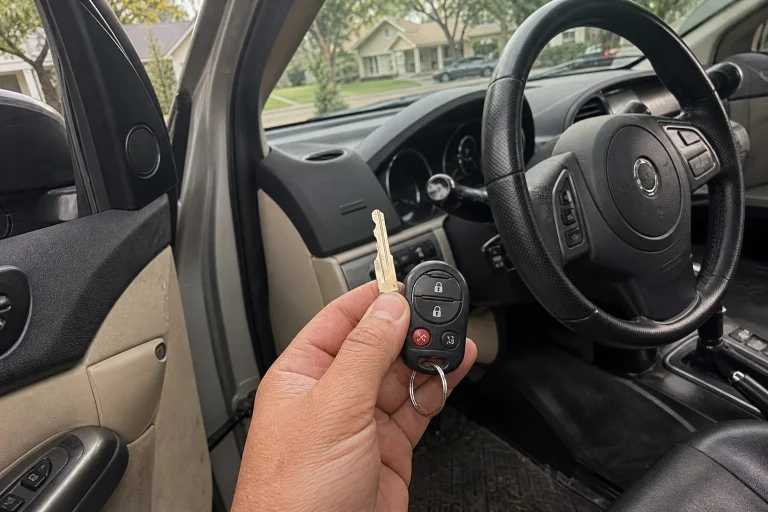
If you have one working car key, making a spare now can help you avoid a last-key emergency and give you time to check that every function works.
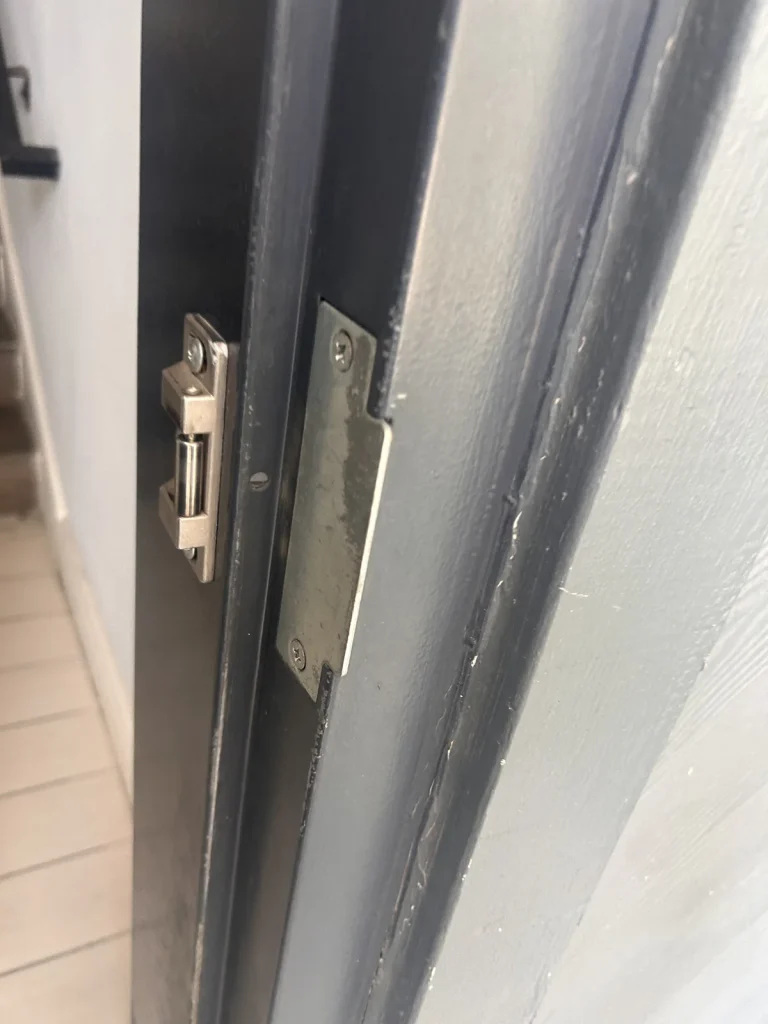
If your key goes in but the ignition won’t turn, check steering wheel tension, shifter position, and a spare key before you force anything. Repeated binding may point to a worn key or ignition hardware that needs inspection.