
Automotive Locksmith
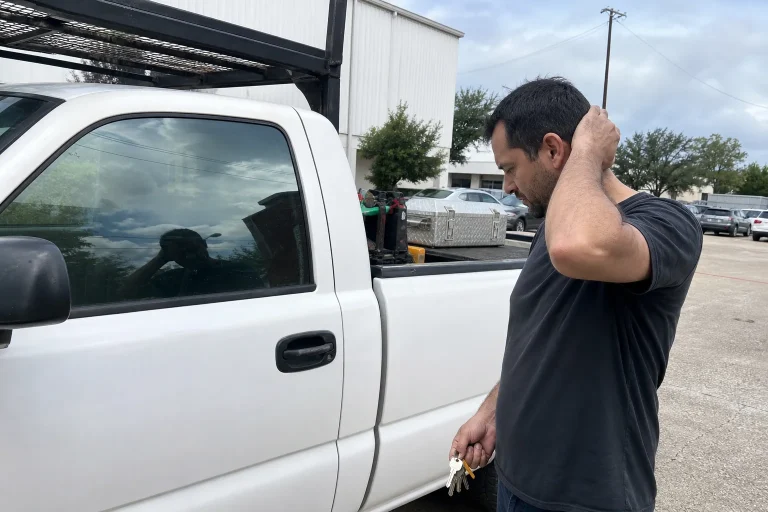
Work Truck Lockout or Lost Key? What Contractors Should Plan For
Locked out of a work truck or missing its key? Gather the truck details, proof of authority, location, and safety concerns before calling for help.
License Number: B09416401
Scorpion Locksmith provides Commercial Locksmith In Houston for access control master keys rekey and panic bars with 24 7 response. Call for a free quote
Commercial locksmith service in Houston helps businesses control entry, address lock problems, and protect work areas. Scorpion Locksmith helps Houston, TX businesses with rekeying, master key systems, access control, panic bars, and commercial door hardware. We focus on practical fixes that support daily operations and safe building access.
A business lock does more than keep a door shut. It helps employees open on schedule, limits access to sensitive spaces, and lets managers secure the property after closing.
Does your front door need a hard pull before the key turns? Has a former employee kept a key? Those issues call for different solutions, and we help you sort out the next step.
Call (281) 623-1517 or visit our commercial locksmith page to discuss your commercial locksmith needs in Houston, Texas.
Commercial locksmith service addresses the locks, keys, and entry hardware your business uses throughout the property. We work with business owners and property managers to identify problems and discuss suitable options.
Your main entrance may need different hardware than a stockroom, office, or employee entrance. The right approach considers who uses each door, how often it opens, and what happens during an emergency.
We look at the full door opening, not just the keyhole.
A working lock still needs a door that closes and latches correctly.

Sticking keys, loose hardware, and inconsistent latching are signs that a commercial door needs an inspection. These problems can disrupt opening time or leave a door unsecured after staff leave.
Watch for changes in how the door feels during normal use. Employees often notice a problem before a manager sees it, especially at a busy entrance.
A door should not require a shoulder workout before the morning coffee. Report these symptoms early so lock problems can be addressed instead of letting a daily workaround become standard practice.
A commercial lockout calls for authorized entry assistance and a check of what caused the problem. Scorpion Locksmith can discuss the situation, confirm the location, and explain the next step.
Before requesting service, check whether an authorized manager has a spare key or another permitted entrance is accessible. Do not force the cylinder or try to pry the door open.
Call to check current availability for urgent service. If someone is in danger or cannot exit safely, contact emergency services first.
Rekeying changes a compatible lock cylinder so previous keys no longer operate it. It can be a practical choice when the hardware works properly but control over existing keys has been lost.
Did a manager leave without returning a key? Did you take possession of a leased office without knowing who has copies? Both situations deserve an access review.
Not every lock can be grouped under the same key. We check cylinder compatibility and hardware condition before recommending a rekeying plan, replacement, or a combination of both.
Lock replacement is appropriate when existing hardware is damaged, unreliable, or poorly matched to the door’s use. Rekeying changes key access, but it does not correct a worn handle or broken latch mechanism.
A staff entrance used hundreds of times during a workweek has different demands than a rarely opened storage closet. Door material, frame condition, and existing preparation also affect the choice.
Replacement should solve the actual problem. Installing a new lock on a misaligned door may leave you with the same frustrating symptoms.
A master key system lets approved users open selected groups of locks while other keys open fewer doors. It helps organize access across offices, storage areas, tenant spaces, and shared entrances.
With commercial locksmith service for Houston buildings from Scorpion Locksmith, planning starts with who needs access to which rooms. A clear door list helps prevent unnecessary access and reduces confusion when keys are issued.
A master key system needs careful key control. Losing a key that opens many doors can affect much more of the building than losing a single-door key.
Access control allows authorized entry through credentials, codes, or other compatible methods rather than relying only on mechanical keys. Depending on the equipment, it may support schedules, individual permissions, and entry records.
Do you need staff access before opening but not after closing? Would removing a former employee’s credential simplify your process? Those questions help define the system’s purpose.
Electrical work, network setup, or other trades may be needed depending on the keyless entry system. We clarify those needs before work proceeds.
Panic bars and other exit devices allow people to release a door from inside by pressing the operating hardware. The correct device and setup depend on the door, building use, and applicable requirements.
A sticking push bar or latch that will not release needs prompt attention. Staff should never chain, block, or modify an exit to compensate for faulty hardware.
Our assessment focuses on the device and the surrounding opening. We check how the bar moves, whether the latch releases, and whether the door closes into its proper position.
Changes to exit hardware can involve fire-rated openings and local approval requirements. Where needed, decisions should be confirmed with the appropriate building or fire authority rather than based on appearance alone.
A commercial lock works properly only when the door and frame allow the latch to meet the strike. Sagging hinges, closer problems, and shifting door parts can make a good lock seem defective.
Houston heat, moisture, and frequent use can contribute to wear or changes in door movement. Glass storefront doors and heavy metal service doors can show different symptoms.
Watch how the door behaves without forcing it. Does it scrape the threshold, slam shut, or stop just short of latching?
We inspect the opening to help separate a lock problem from a door problem. Depending on the findings, the next step may involve hardware adjustment, component replacement, or referral for work outside locksmith service.
A new lease or tenant change is a practical time to reset keys and inspect commercial door hardware. An empty key cabinet does not prove that every former key has been returned.
Before employees move in, walk through the space with a door list. Include rear entrances, interior offices, storage rooms, and doors shared with neighboring tenants.
Shared building systems need coordination. Obtain the required owner or manager approval before changing hardware that affects common areas or other occupants.
Commercial lock service should reflect how each business uses its doors. We discuss daily traffic, employee routines, and restricted spaces before recommending changes.
Retail shops often need dependable storefront entry and controlled access to stockrooms. Offices may need separate access for staff, managers, and cleaning crews.
Restaurants can have busy delivery entrances exposed to moisture and repeated use. Warehouses may have heavy doors, separate office areas, and entrances that should not become casual shortcuts.
Medical offices and other businesses handling sensitive records may need additional separation between public and staff-only spaces. Across Houston, TX, the goal is practical access control without interfering with permitted exit or normal work.
A commercial locksmith visit begins with confirming authorization and inspecting the affected doors or locks. We then explain the findings and discuss work that fits the situation.
Tell us about intermittent symptoms even if the door works during the visit. Small details can help identify a problem that appears only during busy periods.
The time needed depends on the number of openings, hardware condition, and the type of work requested. A single rekeying task differs from changing access across a multi-tenant property.
Special-order components, damaged frames, and incompatible cylinders can affect scheduling. Access control work may also depend on power, wiring, or coordination with another provider.
Share photos of the door, lock, and hardware markings if requested. Clear information can help identify what needs closer inspection.
For planned lock installation work, tell us your opening hours and busiest periods. We can discuss scheduling around business activity while keeping necessary entrances and exits usable.
A little preparation helps the commercial locksmith visit focus on the work rather than access questions or blocked doors. Assign an authorized contact who can approve decisions and answer questions about the property.
Keep a record of doors that fail only at certain times. Note whether the trouble follows rain, heavy use, or a change in temperature.
Routine checks and controlled key handling help businesses catch problems before they interrupt the day. Staff should report changes rather than force hardware or invent temporary fixes.
Avoid spraying random products into locks or adjusting exit devices without proper knowledge. The wrong product or adjustment can create a new problem while hiding the original cause.
Scorpion Locksmith helps Houston businesses address lock trouble, update access, and plan commercial hardware work. Whether you manage a storefront, office, restaurant, or warehouse, start by telling us what is happening at the door.
For commercial locksmith service in Houston, call (281) 623-1517 or visit our contact page. Have your business address, the number of affected doors, and a short description of the issue ready.
Need to address a missing key, a stubborn entrance, or a change in staff access? Contact Scorpion Locksmith to discuss the next step for your Houston, Texas property.
A commercial locksmith specializes in securing businesses, offices, and commercial buildings.
Services include installing, repairing, and rekeying locks, as well as assisting with lockouts and security upgrades.
Yes, Scorpion Locksmith offers fast lockout assistance for commercial properties.
Yes, commercial locksmiths, including Scorpion Locksmith, can install and maintain access control systems.
Response times vary, but Scorpion Locksmith aims to respond promptly to business needs.
Yes, rekeying services are available so that all business locks can use a single key if desired.
Yes, Scorpion Locksmith installs and services safes for commercial clients.
Absolutely, Scorpion Locksmith can assess your current locks and recommend higher-security options.
Yes, repair services for damaged locks and doors are available.
You can contact Scorpion Locksmith by phone or online to schedule a service or get more information.
Locked out of a work truck or missing its key? Gather the truck details, proof of authority, location, and safety concerns before calling for help.
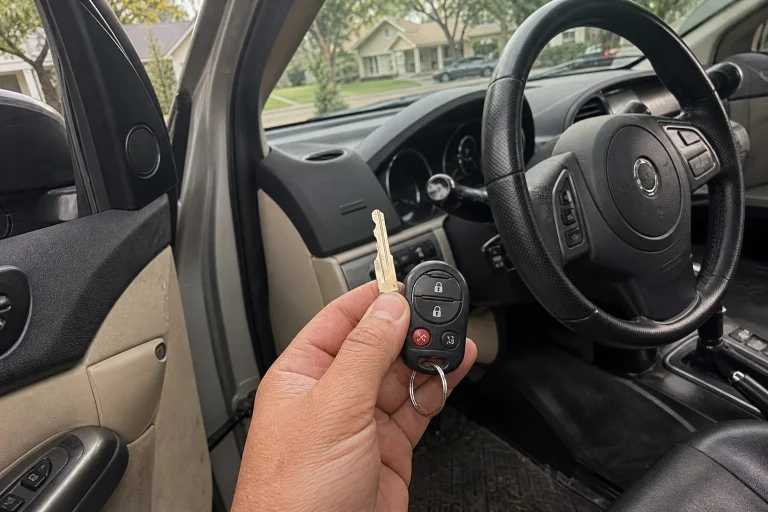
If you have one working car key, making a spare now can help you avoid a last-key emergency and give you time to check that every function works.
If your key goes in but the ignition won’t turn, check steering wheel tension, shifter position, and a spare key before you force anything. Repeated binding may point to a worn key or ignition hardware that needs inspection.