
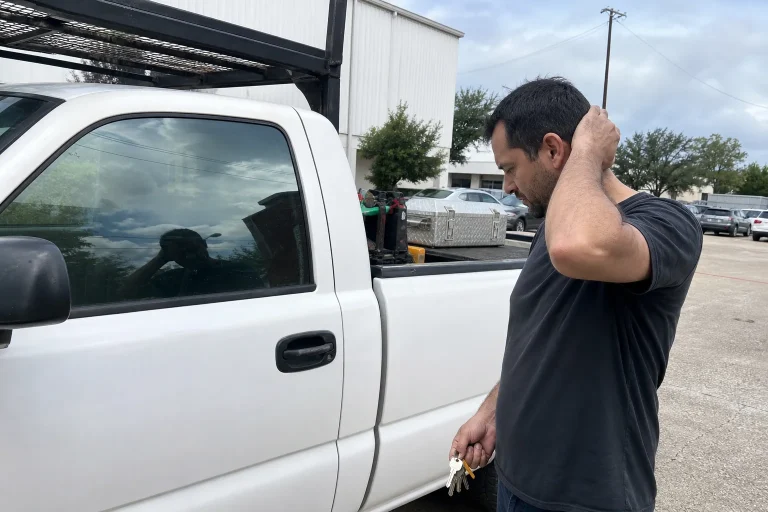
Automotive Locksmith
Work Truck Lockout or Lost Key? What Contractors Should Plan For
Locked out of a work truck or missing its key? Gather the truck details, proof of authority, location, and safety concerns before calling for help.
License Number: B09416401
Scorpion Locksmith offers Commercial Lock replacement In Houston with 24 7 emergency response, same day installs, licensed pros and free quotes
Commercial lock replacement in Houston replaces worn, damaged, or unsuitable business door locks to help control access. Scorpion Locksmith helps Houston, TX, businesses assess existing hardware, choose compatible replacements, and check door operation. We focus on dependable entry, practical key control, and safe exit from your building.
A lock should let the right people enter without turning every opening shift into a wrestling match. If employees struggle with keys or a door will not latch, the problem deserves attention before access stops completely.
We help you look beyond the cylinder alone. The door, frame, latch, strike, closer, and key system all affect whether replacement hardware will work properly.
Call (281) 623-1517 or visit Scorpion Locksmith to discuss your commercial door locks and arrange service.
Commercial lock replacement makes sense when damaged hardware, missing keys, or changing business needs leave access uncertain. Waiting for a complete failure can disrupt opening hours, deliveries, and employee movement.
Does someone need to lift the handle or pull hard on the door before the key turns? That may involve alignment, internal wear, or both, so replacing a lock without checking the door can miss the cause.
Check for these warning signs before access stops completely.
A missing key does not automatically require a complete new lock. We assess whether replacement, rekeying, or a door adjustment addresses the actual concern.

Lock replacement changes the cylinder, lock body, or complete lock assembly, while rekeying changes which key operates a compatible existing cylinder. The right choice depends on hardware condition and the access change you need.
If a sound lock only needs to reject old keys, rekeying may be appropriate. If the mechanism is worn, broken, incompatible, or unsuitable for its location, replacement may be the better path.
A business taking over a leased space should review more than the front entrance. Rear doors, storage rooms, offices, and shared service entrances may use separate keys or unrelated hardware.
Before choosing the scope, consider these questions.
We can discuss these points before you commit to changing every lock in the building.
A replacement lock must fit the door and support how people use that entrance. Commercial doors vary in thickness, material, cutouts, frame condition, and existing hardware.
A glass storefront with a narrow metal frame needs a different approach from a solid office door. A busy stockroom entrance may also need hardware that tolerates frequent use without making passage awkward.
During an assessment, we look at the door and existing hardware to guide installation of a compatible lock.
Choosing by appearance alone can create fit problems. A handle that looks right may still have the wrong function or require changes the door cannot accept.
Where a door has a fire rating or special exit requirements, replacement hardware needs additional review. We do not treat those openings like ordinary interior doors.
Commercial lock replacement may involve a lever lock, mortise lock, storefront mechanism, cylinder, or compatible component within an existing door system. The appropriate option depends on the opening, not just the preferred handle style.
Understanding the basic differences helps you describe what is already installed. It also helps separate a small cylinder change from a broader hardware replacement.
Commercial lever locks provide keyed access through a lever-operated assembly commonly found on office and interior business doors. Their operating function determines when the outside lever locks and how users exit.
A private office may need a different function from a shared storage room. We discuss who uses the room, when it should stay locked, and whether staff need key access throughout the day.
Mortise locks use a lock body fitted into a pocket cut into the door edge. Replacement requires attention to the body dimensions, cylinder, trim, and existing door preparation.
Changing only the visible handle will not correct a worn internal mechanism. We assess the assembly so the replacement scope matches the damaged component.
Storefront locks often use compact mechanisms that fit narrow aluminum door frames. Correct measurements and latch or bolt alignment are essential for reliable operation.
A storefront door that drags or shifts may put pressure on the lock. We check that relationship before treating the cylinder as the only problem.
A key plan helps you decide who should enter each space after the locks change. Replacing hardware without reviewing access can leave the same control problems in place under a new set of keys.
Should every employee have access to the supply room? Does a cleaning crew need the front door, or only a specific service entrance?
For commercial lock replacement in Houston, we recommend reviewing access by role rather than handing everyone the same key.
Keyed-alike locks can reduce the number of keys staff carry. A master key arrangement can support separate access groups, but compatibility and existing building systems need review first.
A lock can struggle because the door or frame has moved, even when its internal mechanism still works. Replacing hardware alone will not correct every sticking latch or hard-turning key.
In Houston, exterior openings face humidity, rain, and regular temperature changes. Heavy foot traffic, delivery carts, and repeated slamming can also affect hinges, closers, and strikes.
We check whether the door closes squarely and whether the latch enters the strike without extra force. A lock that turns easily with the door open but binds when closed often points to an alignment issue.
Avoid filing the strike or drilling new holes before the cause is clear. Those changes can hide a developing problem or complicate a proper correction.
If the opening needs work beyond the lock, we explain what affects the replacement. Some door, frame, glass, or access system concerns may require coordination with another service provider.
Our replacement process starts with the access concern and ends with testing the installed hardware. We keep the work focused on the doors and functions you approve.
Knowing what happens during the visit helps you assign a contact and plan around staff movement.
If we discover hidden damage, the scope may need to change. We discuss that before proceeding with additional work.
The time needed depends on the number of doors, hardware compatibility, door condition, and any connected access controls. A straightforward cylinder replacement is different from changing a damaged mortise assembly.
Can your main entrance be temporarily taken out of use? Identifying an alternate approved route before work begins can reduce interruptions for staff and customers.
Tell us about opening hours, delivery periods, and doors that cannot be left unattended. We can discuss a practical work sequence based on the site conditions.
For urgent requests, call to confirm current response options and hardware needs. Do not assume every commercial opening can accept a replacement immediately.
Lock replacement must preserve the intended exit function of the opening. Added security should not leave occupants struggling to get out.
Panic hardware, exit devices, fire-rated doors, and controlled entrances need careful review. A lock change should not disable an exit device or interfere with a door closing and latching as intended.
Do not add a separate deadbolt, padlock, or makeshift brace to an occupied building’s exit without proper review. Exit route requirements vary by opening and occupancy, so site-specific questions may need input from the property manager or relevant authority.
If a door cannot be secured after damage, keep people away from loose glass, sharp metal, and unstable hardware. For an active threat or suspected crime in progress, contact emergency services first.
Once the area is safe, call Scorpion Locksmith to discuss the affected lock. Photos can help describe the issue, but an on-site inspection may still be necessary.
A clear work area and an authorized contact help the replacement visit move efficiently. You do not need to remove the lock yourself.
Gather the information you already have without taking apart the door. Even a simple door list can prevent confusion in a building with several similar entrances.
Use this preparation checklist.
Do not send access codes or sensitive key records through an unsecured message. We can discuss what information is needed when you call.
The best replacement plan reflects how your Houston business uses each door. A small office and a busy receiving area rarely need identical lock functions.
Retail shops often need dependable storefront entry and a clear plan for opening and closing keys. Offices may need separate access for private rooms, file storage, and shared spaces.
Warehouses and receiving areas may have doors exposed to frequent handling and cart impacts. Those openings need inspection for latch wear, loose fasteners, and alignment problems that can strain new hardware.
Restaurants and other service businesses may need to coordinate work around staff arrivals, deliveries, and customer hours. Humid or exposed locations also call for hardware appropriate to the conditions.
For multi-tenant properties across Houston, Texas, building rules and shared key systems can affect the replacement choice. Check with management before changing a cylinder that belongs to a wider property access system.
Routine checks and sensible key handling help keep replacement locks working properly. New hardware still depends on a door that closes and aligns correctly.
Show employees how the lock operates, especially if its function differs from the previous hardware. Nobody should need a secret handle jiggle to open the supply room.
After replacement, use a simple upkeep routine.
Do not use the key as a handle to pull a heavy door. If operation changes after installation, note whether the problem occurs with the door open, closed, or both.
Scorpion Locksmith helps businesses approach lock replacement with a clear scope, compatible hardware, and attention to daily door use. We focus on what needs to change and what should be checked before installation.
You may need a single worn lock replaced, several tenant keys retired, or a broader review after staff changes. Tell us what prompted the request so we can discuss the next step without guessing.
For commercial lock replacement in Houston, have your location, door count, and main concern ready when you contact us. Mention any exit hardware, property restrictions, or connected access controls.
Call (281) 623-1517 or contact us to arrange commercial lock replacement service in Houston, TX.
You may need to replace locks if they've been damaged, lost keys, or for security upgrades.
Replacement can often be done the same day, depending on availability and the type of lock.
Yes, Scorpion Locksmith can replace multiple locks during a single service visit.
Offices, retail stores, warehouses, and other commercial spaces use this service to maintain security.
It’s recommended that you or a representative are present to ensure access and confirm the work.
Yes, Scorpion Locksmith can recommend options based on your business’s needs.
Most replacements are quick and minimally disruptive, allowing your business to keep running.
Yes, you’ll receive new keys along with your new locks.
Scorpion Locksmith offers flexible scheduling, including after-hours replacements.
You can contact Scorpion Locksmith by phone or online to arrange a time that works for you.
Locked out of a work truck or missing its key? Gather the truck details, proof of authority, location, and safety concerns before calling for help.
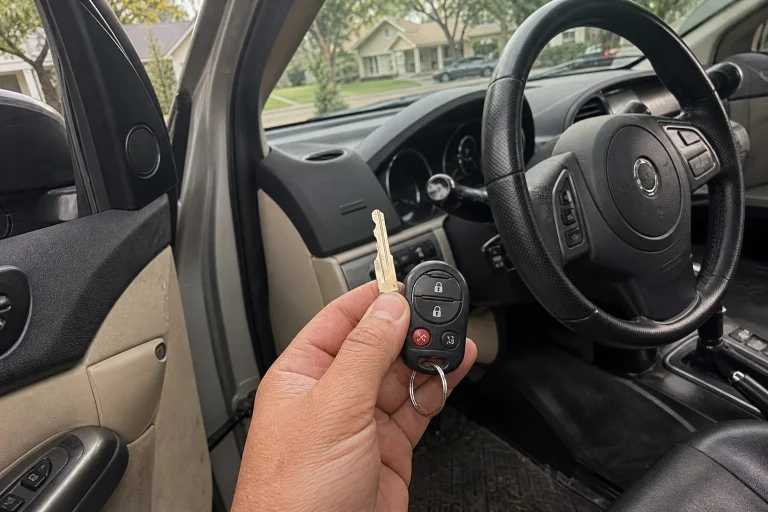
If you have one working car key, making a spare now can help you avoid a last-key emergency and give you time to check that every function works.
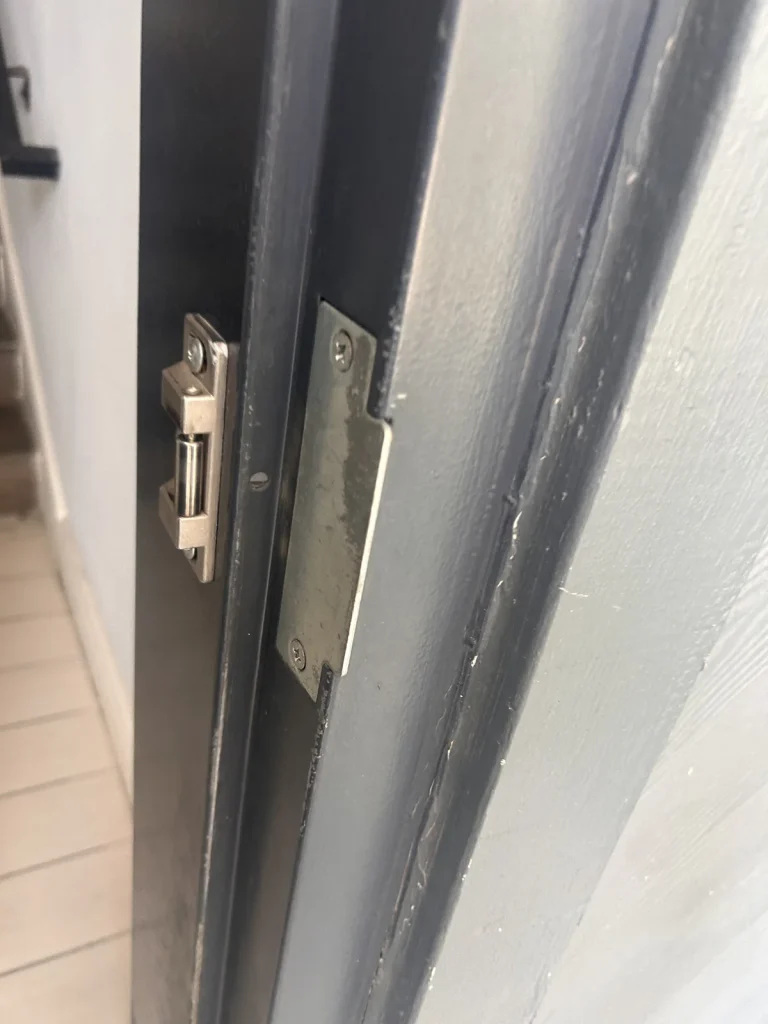
If your key goes in but the ignition won’t turn, check steering wheel tension, shifter position, and a spare key before you force anything. Repeated binding may point to a worn key or ignition hardware that needs inspection.