
Automotive Locksmith
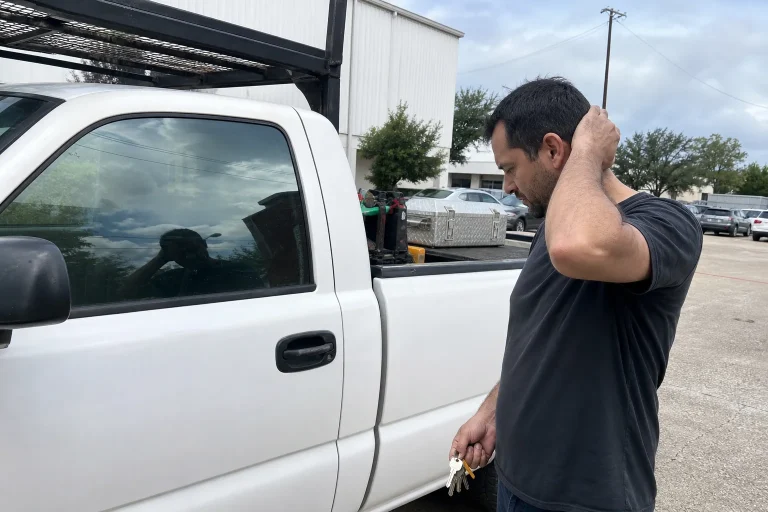
Work Truck Lockout or Lost Key? What Contractors Should Plan For
Locked out of a work truck or missing its key? Gather the truck details, proof of authority, location, and safety concerns before calling for help.
License Number: B09416401
Commercial Lock repair In Houston from Scorpion Locksmith. 24 7 response, licensed techs, master keying, panic bars, same day service. Get a fast quote

Commercial lock repair in Houston restores business locks that stick, slip, jam, or stop securing doors. Scorpion Locksmith helps Houston, TX, businesses identify the cause, repair suitable hardware, and check door operation. We focus on dependable entry, controlled access, and clear next steps when a lock needs more than a simple adjustment.
Commercial lock repair addresses faults in the lock, cylinder, latch, and connected door hardware. The goal is to restore proper operation without overlooking a door problem that could damage the lock again.
A key that refuses to turn does not always mean the cylinder is broken. A sagging door, loose hinge, or shifted strike plate can put pressure on working hardware. We look at how these pieces work together before recommending a repair.
For business owners and property managers, that approach helps separate the symptom from the cause. Replacing a cylinder will not correct a door that drags across the threshold.
Our work may involve adjusting hardware, removing a broken key, repairing a latch mechanism, or replacing a worn component. We explain what we find so you can make an informed decision about the door.
A commercial lock often gives warning signs before it stops working completely. Catching those changes early can help prevent an interrupted opening or a door that will not secure at closing.
Has your staff developed a special trick for locking the back door? A business entrance should not need a secret handshake. Lifting the handle, pulling hard on the door, or jiggling the key usually points to a problem worth checking.

Watch for these signs.
A lock that works only sometimes is still a security concern. Tell us whether the issue happens during entry, exit, or both.
Door movement can make a sound lock behave like a damaged one. Heavy use, loose fasteners, hinge wear, and frame movement can prevent the latch from meeting the strike correctly.
Houston heat, humidity, and rain exposure can also affect certain doors and exposed hardware. A door that operates differently after a weather change deserves a full inspection, not just another hard push.
As part of our commercial locksmith work, we check whether the door closes squarely and whether the latch enters the strike without force. We also look for rubbing, loose mounting points, and signs that someone has repeatedly slammed the door.
Before calling, note whether the lock works with the door open but binds when it closes. That detail can help point us toward an alignment issue, though it does not replace an on-site check.
Avoid filing the strike opening or bending hardware yourself. Those changes can hide the original problem and weaken how the door secures.
Commercial doors use different lock systems, so the repair method depends on the hardware installed. Scorpion Locksmith checks the lock type and condition before discussing suitable work.
Storefront doors often use narrow-stile hardware within slim metal frames. Office doors may use lever locks, while heavier entrances may have mortise locks with mechanisms housed inside the door.
Not every worn lock can be repaired sensibly. If a housing is cracked or a key component is unavailable, replacement may be the more practical option.
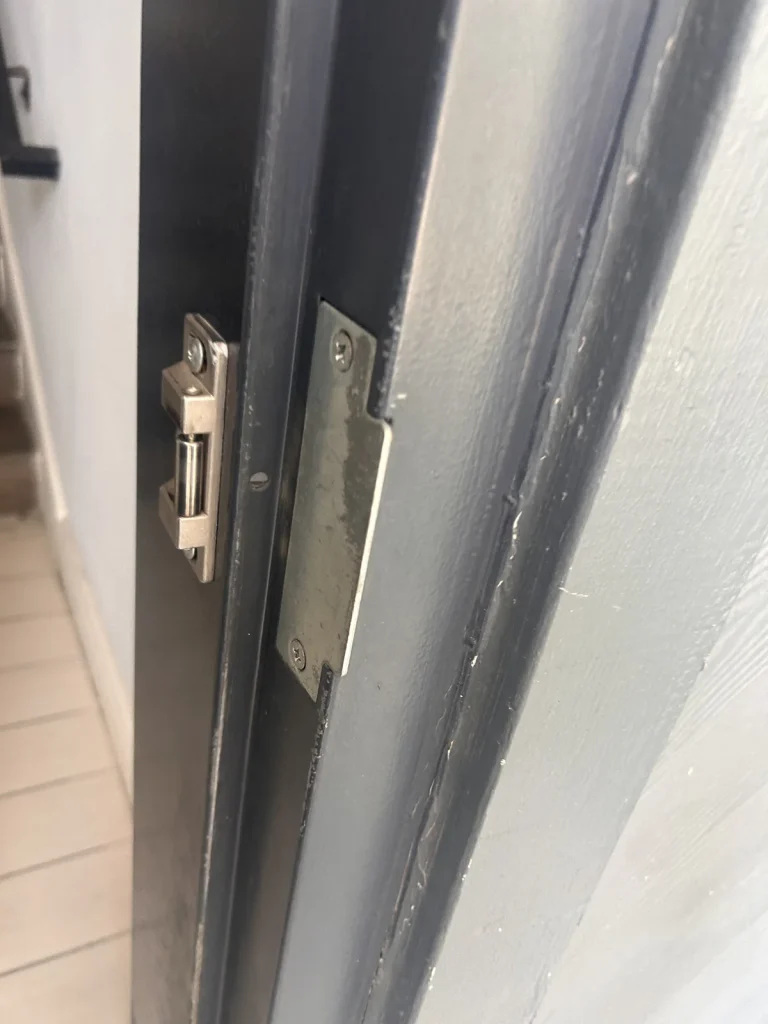
Photos of the door edge, handle, and visible brand name can help us understand what is installed. Keep keys and access information out of those photos.
Panic bars and exit devices need to release properly from the exit side and latch correctly when the door closes. A bar that sticks, drags, or only works with extra pressure needs prompt attention.
The issue may involve the push mechanism, latch, strike, exterior trim, or door alignment. A closer that shuts too hard or too softly can also affect how the opening functions.
Does the door release easily but fail to latch afterward? That is a different problem from a bar that will not release at all. Describe both the exit action and the closing action when you call.
Do not chain, screw shut, or otherwise block an occupied building’s exit to compensate for a faulty lock. If people cannot exit normally, notify the person responsible for building safety and arrange prompt professional help.
Changes to exit hardware may need review against applicable requirements. We avoid treating an exit problem as an ordinary entry inconvenience.
A damaged key, worn cylinder, and access-control concern do not always call for the same service. We check what is preventing normal operation before discussing repair, rekeying, or replacement.
If a key breaks inside the cylinder, stop using tools to push or pull at it. Improvised extraction can move the fragment farther inside or damage the keyway.
A missing key is a different concern. Even if the lock works smoothly, the business may need its key access changed.
Let us know if the door belongs to a master key system. Changing a cylinder without that information can disrupt access for managers or other authorized users.
Our repair process starts with the reported problem and ends with checking the door’s operation. For commercial lock repair in Houston, we consider the lock, surrounding hardware, and daily use of the opening.
The details your staff provides can be useful. A problem that occurs only during afternoon deliveries may not show up during a quiet morning inspection.
A typical visit follows these steps.
We also explain any remaining issue outside the lock itself. A damaged frame should not disappear from the conversation just because the key now turns.
The time needed depends on the fault, access to the door, and the components required. A loose mounting screw presents a different task from a damaged mortise case or an older exit device.
Some issues can be addressed during the initial visit. Others require compatible components or coordination with whoever handles the door, frame, or electronic access equipment.
Tell us if the opening is your only customer entrance or a busy delivery route. We can discuss access needs before work begins.
For current scheduling and availability, call (281) 623-1517. We can explain the next step based on the issue you describe.
Stop forcing the lock if the key bends, the handle feels close to breaking, or the door will not release normally. Extra force can turn a limited repair into damaged hardware or a broken key.
If you see signs of forced entry, avoid disturbing the area more than necessary. Follow your business’s security procedures and contact the appropriate authorities if a crime may have occurred.
If a door cannot secure, ask about the available next step rather than improvising a fastener. A temporary measure must not trap occupants or interfere with normal exit.
Clear information helps us understand the lock problem before arriving for a commercial locksmith visit. You do not need to identify every component or remove any hardware.
Start with the door’s location and what happens during use. “The rear door locks only when pulled upward” is more useful than “the lock is bad.”
Before the visit, gather what you can.
Please make the opening accessible and move stored items away from the work area. Have an authorized representative available to discuss the problem.
Do not send alarm codes or sensitive access credentials through a general website message. We can discuss what information is needed when you call.
The right repair considers how the business uses the door each day. A quiet interior office and a busy delivery entrance can put very different demands on similar-looking hardware.
Retail storefronts need doors that customers can use comfortably and staff can secure consistently. Offices may need controlled access between shared areas and private rooms.
Warehouses often face repeated delivery cycles, impacts, and doors held open for loading. Restaurants may have rear entrances exposed to moisture, frequent handling, and cleaning products.
Medical offices and other workplaces with restricted rooms need careful attention to who can enter. Property managers also need changes coordinated with existing keys and tenant access.
Across Houston, Texas, we focus on the actual opening rather than assuming every commercial door needs the same fix. Tell us about traffic, deliveries, employee access, and exposure to weather so those conditions can guide the discussion.
A door with a keypad or card reader can still have a mechanical lock problem. Access approval does not help if the latch binds or the door fails to close into the strike.
If the reader responds but the door stays locked, the cause could involve power, controls, release hardware, or alignment. That symptom alone does not identify which component has failed.
Describe what you notice before making changes. Does the reader respond normally? Can authorized users exit, and does the door latch after closing?
Let us know who manages the access system and whether another provider handles its controls. Coordinating mechanical work with that provider can help avoid unnecessary changes.
Do not disconnect wiring or bypass access equipment to test a theory. Start with observation and leave adjustments to the appropriate service professional.
Regular observation and sensible door use can reduce avoidable wear after a repair. Staff should report new resistance rather than develop a workaround.
Use the door handle instead of the key to pull the door closed. Avoid slamming the opening or forcing a bolt into a misaligned strike.
A practical check can include the following steps.
Use only maintenance products suitable for the installed hardware. Ask before applying lubricant, since the wrong product can attract dirt or interfere with operation.
Keep a simple record of repeat problems across your property. If the same door needs frequent attention, the cause may extend beyond the lock.
Scorpion Locksmith helps businesses address lock trouble with clear inspection, practical recommendations, and attention to the whole opening. We explain whether the problem involves the lock itself or connected door hardware.
Is your front entrance sticking, your office lever loose, or your rear door refusing to latch? Tell us what changed, whether the door currently secures, and whether normal exit is affected.
For commercial lock repair in Houston, call (281) 623-1517 or contact us about your business door. Share your property location and a brief description of the problem so we can discuss the next step.
Commercial lock repair involves fixing or restoring locks in business properties to ensure security and proper function.
If your business locks are difficult to operate, damaged, or no longer secure, it may be time for a repair.
The time needed depends on the issue, but most repairs can be completed in a single visit.
Yes, Scorpion Locksmith services a wide variety of commercial lock types and brands.
Many repairs are quick, and Scorpion Locksmith can work with your schedule to minimize business disruption.
This depends on the lock’s condition. Scorpion Locksmith can assess and recommend the most suitable option.
Difficulty turning the key, loose handles, or locks not latching properly are common signs repairs may be needed.
Yes, they can unjam and repair locks to restore access and security.
Yes, Scorpion Locksmith offers emergency services to address urgent lock issues at your business.
You can contact Scorpion Locksmith by phone or online to book a convenient service appointment.
Locked out of a work truck or missing its key? Gather the truck details, proof of authority, location, and safety concerns before calling for help.
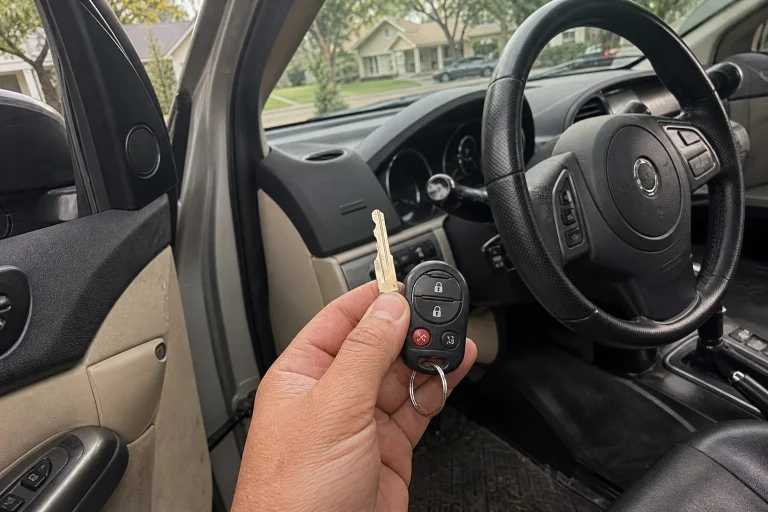
If you have one working car key, making a spare now can help you avoid a last-key emergency and give you time to check that every function works.
If your key goes in but the ignition won’t turn, check steering wheel tension, shifter position, and a spare key before you force anything. Repeated binding may point to a worn key or ignition hardware that needs inspection.