
Automotive Locksmith
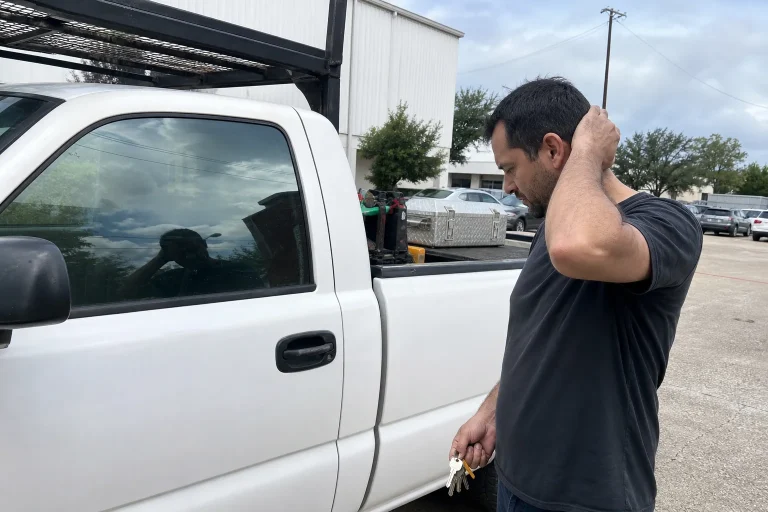
Work Truck Lockout or Lost Key? What Contractors Should Plan For
Locked out of a work truck or missing its key? Gather the truck details, proof of authority, location, and safety concerns before calling for help.
License Number: B09416401
Commercial Access control systems In Houston by Scorpion Locksmith. Card readers mobile credentials cloud same day install and 24 7 support. Get a free quote
Control who can enter your Houston business.
Commercial access control systems in Houston let businesses manage entry through cards, fobs, phone credentials, or keypads instead of relying only on keys. Scorpion Locksmith helps Houston, TX, businesses assess doors, choose suitable entry controls, and plan installation or repairs around daily operations, employee needs, and safe exit routes.
A commercial access control system controls who can open a door and when that permission applies. It combines door hardware, a credential reader, a controller, and software or an on-site management interface.
An employee presents a card, fob, code, or supported phone credential. The system checks that credential against its permissions before releasing the lock. Depending on the equipment, it can also record access events for later review.
Commercial access control systems can serve a single stockroom or several entrances across a property. Your setup should reflect how people actually use the building, not just how many doors appear on a floor plan.
Scorpion Locksmith starts with the physical opening and your operating needs. A reader cannot solve every security issue if the door never latches.
Access control can help when physical keys no longer give you enough control over building entry. Lost keys, staff changes, shared entrances, and irregular work hours can make traditional key management difficult.
Do you know who still has a working key to your building? If that answer takes several phone calls, reviewing your entry process is worthwhile.

An electronic system does not replace sound workplace policies. It gives managers practical tools to apply those policies consistently without treating every staff change as another key problem.
A controlled door must close, latch, and release correctly before its electronic features can work dependably. Misaligned frames, worn hinges, weak closers, and damaged latches can cause problems that look like reader trouble.
Houston heat, humidity, and rain can affect exposed openings and wiring locations. Equipment selection should account for actual exposure, including covered entrances that still receive wind-driven rain.
Does your door need a shoulder bump to latch? That habit deserves attention before new entry equipment goes on the wall.
Cards, fobs, phone credentials, and PIN codes offer different ways to identify approved users. The best fit depends on staff routines, visitor needs, management preferences, and system compatibility.
Cards and fobs can be assigned to individuals and removed from use when lost. Individual credentials make access changes clearer than a shared code used by an entire shift.
Phone credentials may reduce the need to carry another item, but they require compatible phones and system support. Consider staff without suitable devices, battery problems, and how replacement phones will be enrolled.
Keypads can suit some doors, though shared codes are easy to pass along. Where supported, unique user codes provide better control than a single building-wide PIN. Scorpion Locksmith can discuss these choices without assuming every employee wants work access tied to a personal phone.
The technology behind a credential affects how well the system resists unauthorized use. Cards that look similar can use very different methods to communicate with a reader.
Some older credential formats are easier to copy than newer encrypted options. Ask about the credential format, reader-to-controller communication, and system compatibility before keeping an existing card population.
Keeping old cards may be convenient, but convenience should not decide the entire project.
A phased change may be worth discussing if replacing every credential at once would disrupt daily operations.
Electronic locking hardware should suit the door and preserve the required exit function. An electric strike, electrified lock, or magnetic lock is not an interchangeable choice for every opening.
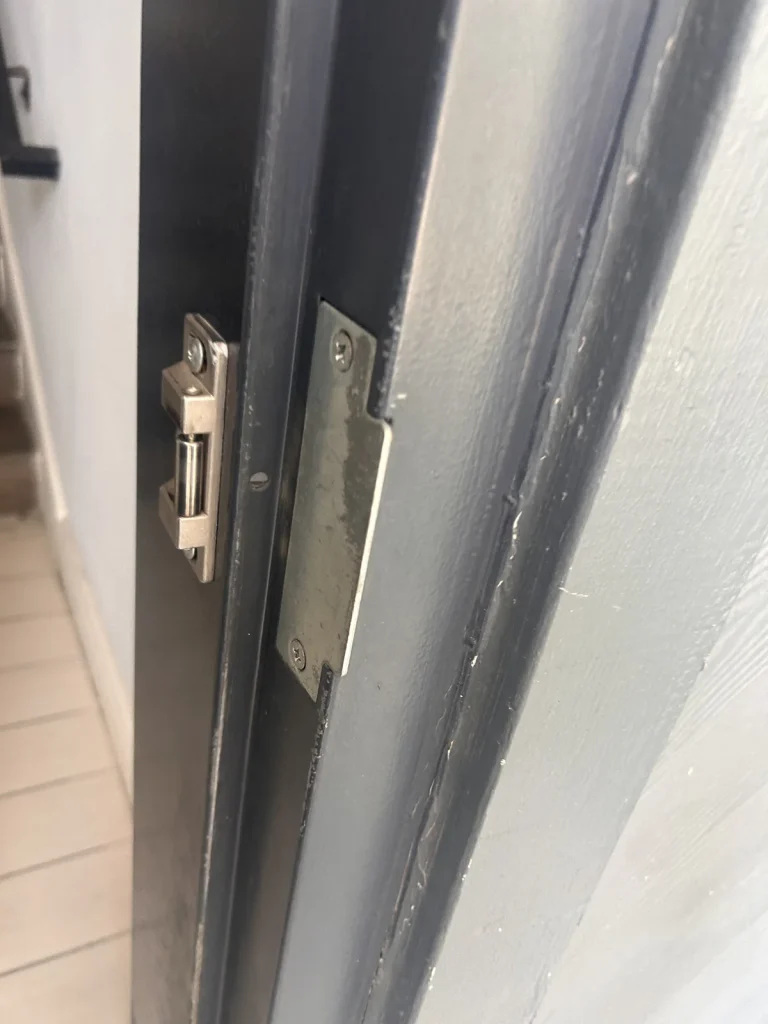
Electric strikes work with compatible latches. Electrified locksets control access through the lock itself, while magnetic locks have specific release and installation requirements that need careful review.
The choice depends on door construction, existing hardware, power behavior, and applicable requirements. Fire-rated openings and doors along exit routes need particular attention.
Scorpion Locksmith can assess the opening before recommending changes. Your staff should never need an entry credential to escape through an exit where credential-free release is required. Do not bypass exit devices or alter fire door hardware to make an access problem disappear.
An access management platform should let authorized staff handle routine changes without unnecessary steps. Local and cloud-managed systems differ in how administrators connect, where information is managed, and what network support they need.
A cloud-managed platform may allow approved managers to update permissions remotely. A locally managed platform may suit businesses that prefer administration through equipment at the property.
Internet loss does not affect every system the same way. Some controllers retain permissions and continue making entry decisions locally, while certain remote functions may become unavailable.
Before choosing a platform, ask who will administer it and how access behaves during an outage. For commercial access control systems in Houston, the right management approach depends on both building operations and the people responsible for daily updates.
Access schedules let you limit entry by person, door, and time. A stockroom employee, cleaning contractor, and office manager may each need a different set of permissions.
Start with work roles rather than assigning every user access to every opening. Then review exceptions individually so temporary convenience does not become permanent access.
Who updates access when an employee changes departments? Assign that responsibility before installation. A well-organized permission list saves managers from guessing whether an old credential still belongs on the entry system.
A useful installation plan identifies hardware, wiring, permissions, and testing needs before work begins. Scorpion Locksmith reviews how the proposed controls will interact with your existing doors and business activity.
The final check should involve more than hearing a lock click. Staff should see how normal entry works and know whom to contact if a door behaves unexpectedly.
An existing access system may be repairable without replacing every component. The decision depends on equipment condition, compatibility, software access, and whether replacement components remain available.
A door that rejects valid cards could have a reader problem, a permission error, or an issue between the controller and lock. Replacing the reader without checking those possibilities can leave the original problem unresolved.
Avoid resetting controllers or deleting users while troubleshooting without proper guidance. Those actions can remove useful settings and make recovery harder.
Installation timing depends on door readiness, cable access, equipment availability, and coordination with the building. A single difficult opening can require more work than several doors with usable wiring and compatible hardware.
Tell us which entrances must remain usable during business hours. We can discuss work sequencing and temporary entry arrangements appropriate to the property.
Do not assume every project can be completed during a short visit. A realistic plan should follow a building inspection and a clear agreement about the work involved.
Access control should have a documented response to both power loss and network loss. These events affect different components and should not be treated as the same problem.
A lock’s power-loss behavior depends on its hardware and configuration. Whether a door stays secured or releases must suit the opening and applicable safety requirements.
A mechanical key override may be suitable for some openings, but it also needs controlled handling. Keep emergency procedures accessible to approved staff rather than stored only inside a locked room.
Houston businesses need access rules that account for employees, deliveries, contractors, and visitors. A small office and a warehouse may use similar readers but need very different door schedules.
An office might need reception access during business hours and individual credentials after closing. A warehouse may need separate rules for personnel entrances, shipping areas, and secured storage.
For Texas properties with several tenants, shared entrances require coordination with property management. A tenant should not change a common door’s operation without the appropriate authorization.
Outdoor gates and exposed readers also need attention to weather, vehicle movement, and suitable equipment placement. Scorpion Locksmith can discuss the proposed opening and identify issues that need further review before work proceeds. The goal is controlled access that fits normal activity instead of encouraging people to work around it.
Preparing door information and assigning a decision-maker helps move the project forward. You do not need technical drawings to begin, but a simple list of openings and concerns is useful.
Do not send passwords or administrator credentials through an unsecured message. We can discuss an appropriate way for authorized personnel to provide access during the work. Accurate background information helps separate necessary repairs from optional changes.
Access control needs regular review because people, schedules, and door conditions change. Even a properly installed system can become difficult to manage if unused credentials remain active.
Event records can help investigate entry issues, but they do not prove who physically passed through a door. Credential sharing and people following others inside can limit what a record tells you.
Restrict access to those records and establish a sensible retention policy. Staff should understand both the entry rules and how access information is used.
Scorpion Locksmith helps Houston businesses approach access control as a complete door and entry problem, not just a reader purchase. We focus the discussion on compatible hardware, practical permissions, safe exit, and manageable daily use.
Whether you need to address an unreliable entrance or plan commercial access control systems in Houston, start with the doors causing the most concern. Tell us your property type, the number of openings involved, and whether an existing system is in place.
Call (281) 623-1517 or contact us to discuss your commercial access control needs in Houston, TX. We can review the next steps for evaluating your property and planning the work.
A commercial access control system regulates who can enter or exit specific areas of a business, helping improve security and manage access for staff and visitors.
Access control systems improve security, monitor entry, and allow you to manage who can access certain parts of your property.
Yes, they can often work alongside alarms, cameras, and intercoms to create a comprehensive security solution.
Common options include key cards, fobs, PIN codes, and sometimes mobile phone credentials.
Yes, these systems can be customized for small offices or large commercial buildings.
Adding or removing users is typically straightforward and can be done quickly to keep access permissions up-to-date.
Yes, most systems provide a record or log of access events, helping you monitor site entry and exit.
A professional locksmith, like Scorpion Locksmith, can assess your needs and recommend the best solution for your property.
In most cases, access control systems can be added to current doors and entryways.
Scorpion Locksmith provides professional access control system installation and can help secure your business.
Locked out of a work truck or missing its key? Gather the truck details, proof of authority, location, and safety concerns before calling for help.
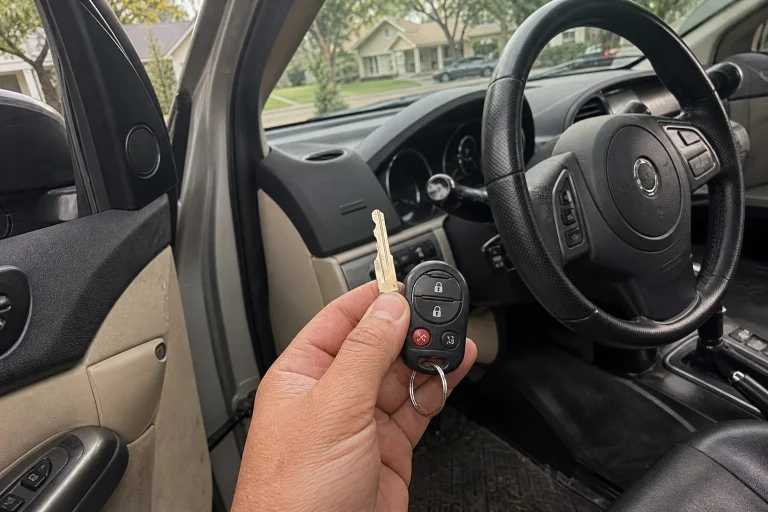
If you have one working car key, making a spare now can help you avoid a last-key emergency and give you time to check that every function works.
If your key goes in but the ignition won’t turn, check steering wheel tension, shifter position, and a spare key before you force anything. Repeated binding may point to a worn key or ignition hardware that needs inspection.