
Automotive Locksmith
Work Truck Lockout or Lost Key? What Contractors Should Plan For
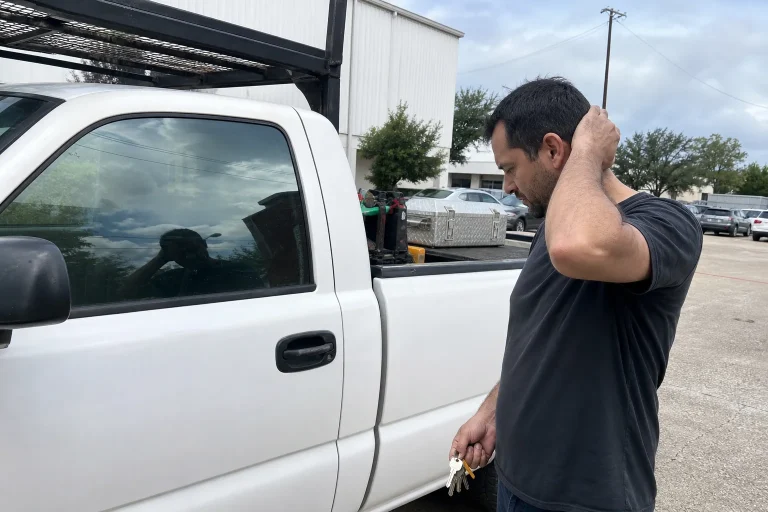
Locked out of a work truck or missing its key? Gather the truck details, proof of authority, location, and safety concerns before calling for help.
License Number: B09416401
Commercial Lock installation In Houston by licensed insured pros. Same day 24/7 service, high security options, ADA code compliant. Call Scorpion Locksmith

Commercial lock installation includes checking the opening, selecting compatible hardware, fitting the lock, and testing how everything works together. A strong lock on a poorly aligned door can still leave you pulling the handle twice every morning.
We look at the door material, existing holes, frame condition, latch position, and daily use. These details help determine whether replacement hardware can use the current preparation or needs approved changes.
The work may involve a complete lockset, a cylinder change, or another compatible locking component. Not every door needs the same solution, even within one building.
Before installation, identify which doors need controlled entry and who uses them. A public entrance, employee entrance, stockroom, and private office each have different jobs when planning locksmith work for a building.
New locks make sense when existing hardware is damaged, unreliable, incompatible with current needs, or no longer supports proper key control. The decision should reflect both the condition of the hardware and how the space operates.

Does your closing routine include a special shoulder bump against the door? That is useful information for us, but it should not be a permanent operating procedure.
Some symptoms come from hinges, closers, or frame movement rather than the lock itself. We assess the opening and whether lock repair is appropriate before treating new hardware as the answer.
Rekeying changes which key operates a compatible lock, while replacement changes the locking hardware itself. Choosing between them starts with the lock’s condition and the reason for the change.
If a business has sound hardware but uncertain key ownership, rekeying may meet the need. If the lock is worn, broken, or unsuitable for the door, replacement may be the better path.
A new tenant should also check the lease before changing exterior or shared-door hardware. Property managers may have requirements for approved hardware, building access, or an existing master key system.
Tell us whether old keys must stop working and whether certain users need access to multiple rooms. That information helps prevent installing a lock that solves today’s issue but creates tomorrow’s key problem.
The right commercial lock depends on traffic, door construction, access rules, and exit needs. Appearance matters, but a matching finish cannot fix incompatible hardware.
We discuss the function of each opening before choosing a lock type. Useful options to review include the following.
A higher security cylinder does not strengthen a weak frame by itself. We consider the whole opening rather than treating the lock as a stand-alone fix.
Storefront lock installation must account for narrow frames, glass panels, door alignment, and existing hardware. Many Houston retail spaces have aluminum entrances that cannot accept the same locksets used on standard office doors.
We check the available mounting space and how the existing latch or bolt meets the frame as part of locksmith work for commercial buildings. Drilling without confirming these details can damage the opening or limit future hardware choices.
Outdoor exposure also matters in southeast Texas. Moisture, wind-driven rain, and frequent use can affect hardware condition, especially around exposed entrances.
Tell us if the door drags after wet weather or behaves differently during hot afternoons. Those observations help us investigate whether the trouble involves the lock, door movement, or both.
Office lock installation works best when each door has a clear access purpose. Decide who needs entry, when they need it, and whether the door should lock automatically or only through a deliberate action.
Private offices may need different lock functions from supply rooms or employee entrances. Restrooms also need suitable privacy functions rather than hardware chosen only for its appearance.
For commercial lock installation in Houston, we help connect those daily routines to practical hardware choices. The goal is controlled entry without confusing staff or creating avoidable lockouts.
Which rooms should a new employee enter on the first day? Which should stay limited to a manager? Answering those access control questions before installation helps keep the key plan simple.
Warehouse and stockroom doors need locking hardware that suits their construction, traffic, and exit role. Heavy use, carts, deliveries, and repeated door impacts can affect how well a lock operates.
A stockroom door may look secure while loose hinges prevent the latch from seating fully. We check how the door closes when assessing lock operation problems, before relying on a replacement lock to correct the problem.
Loading areas may also involve specialty openings outside a standard swinging-door installation. Describe the door type when you call so we can discuss the scope before a visit.
Keep delivery routines in mind during hardware selection. If employees regularly prop a door open because access is inconvenient, the access process needs attention alongside the hardware.
Keypad and electronic locking options can reduce dependence on physical keys, but they still require compatible hardware and clear procedures. Battery needs, power connections, door position, and exit operation all matter.
Not every keypad lock records activity or connects to a larger access control system. We discuss the selected product’s actual functions instead of assuming every model does the same thing.
Avoid shared codes where individual access is necessary for accountability. A keypad is convenient, but it cannot identify users if everyone enters the same number.
Commercial locking hardware must be selected with safe exit and applicable building requirements in mind. Adding a lock should never turn an ordinary exit into a puzzle for the people inside.
Requirements vary by occupancy, door location, fire rating, and the building’s use. Accessibility rules may also affect handle operation and other hardware details.
We consider these factors during hardware discussions and identify questions that need confirmation from the property manager or appropriate authority. Product choice alone does not establish compliance for an entire opening.
Do not add a keyed device to the exit side simply because it fits. If a door has a fire label, panic hardware, or existing access controls, disclose that before any changes are planned.
Our installation process moves from inspecting the opening to fitting and testing the selected hardware. This keeps the work focused on how the door actually functions, not just whether a lock fits its holes.
We test the door from both sides and through repeated closing cycles. A lock that works with the door open still needs to work when the door meets the frame.
Installation time depends on hardware compatibility, door condition, and the number of openings involved. A direct replacement usually involves fewer steps than converting a door to a different lock format.
Unexpected damage can change the work required. Stripped mounting holes, cracked wood, bent frames, or old modifications may need attention before new hardware can operate properly.
Special-order components, restricted building access, and coordination with other trades can also affect scheduling. We discuss those factors after learning more about the doors and requested hardware.
Need to keep a customer entrance operating during business hours? Tell us when traffic is lightest and whether another approved entrance is available. Planning access helps reduce disruption without making promises about an unseen job.
A little preparation helps us inspect the doors and keeps employees informed about access changes. You do not need to remove the existing hardware before we arrive.
Identify the doors and access concerns involved in the requested building locksmith work.
Photos of the door, lock, frame, and visible labels can help with the initial discussion. Include both sides of the opening rather than only a close-up of the keyhole.
Do not send access codes or sensitive key-control details through an unsecured message. We can discuss an appropriate way to handle that information.
Stop using excessive force when a key, lever, or latch starts binding. Forcing the hardware can break a key or leave the door stuck at the worst possible moment.
If the door is an exit and its operation is impaired, treat that as a safety concern. Notify the responsible person for the building and follow the property’s safety procedures.
Avoid drilling new holes, grinding a strike opening, or removing fire-door components as a quick fix. Those changes can create damage and affect the opening’s approved function.
A photo and a plain description often help more than a guessed diagnosis when discussing commercial lock repair. Tell us what moves, what sticks, and whether the problem occurs with the door open, closed, or both.
New commercial locks benefit from simple checks and care that follows the hardware manufacturer’s instructions. Pay attention to changes in operation rather than waiting until the door will not lock.
Ask the person responsible for opening or closing to check the following.
Use only a lubricant recommended for the specific lock. Avoid spraying random household products into the cylinder, since some can attract dirt or interfere with operation.
Keep a record of issued keys and update key access when staff roles change. Good hardware works best with good habits, even if the habits are less exciting than a new keypad.
Scorpion Locksmith helps businesses plan commercial lock installation in Houston around the doors, people, and access needs involved. We focus on compatible hardware, practical operation, and clear decisions before installation.
Whether your property is a storefront, office, or warehouse in Houston, TX, start with the doors causing concern. Tell us what is installed now and what you need to change.
Call (281) 623-1517 or contact us to discuss your commercial lock installation. Have your door count, property type, and access concerns ready so we can talk through the next steps.
Commercial lock installation is the process of fitting locks designed for businesses, offices, and commercial properties to help secure premises.
Professional installation ensures your locks are fitted correctly for optimal security and peace of mind.
Yes, Scorpion Locksmith offers commercial lock installation for a variety of businesses and office spaces.
Any business, including offices, shops, warehouses, and restaurants, can benefit from enhanced security provided by commercial lock installation.
Yes, it’s a good idea to install new locks when moving into a new property to control who has access.
The time needed depends on the number of locks and doors, but most installations can be completed within a few hours.
It’s often safer to install new locks or rekey them if a key is lost to prevent unauthorized entry.
Yes, Scorpion Locksmith can upgrade your current locks to newer, more secure options.
While it’s helpful to be there, arrangements can be made for installation at your convenience.
Simply contact Scorpion Locksmith by phone or through their website to set up an appointment.
Locked out of a work truck or missing its key? Gather the truck details, proof of authority, location, and safety concerns before calling for help.
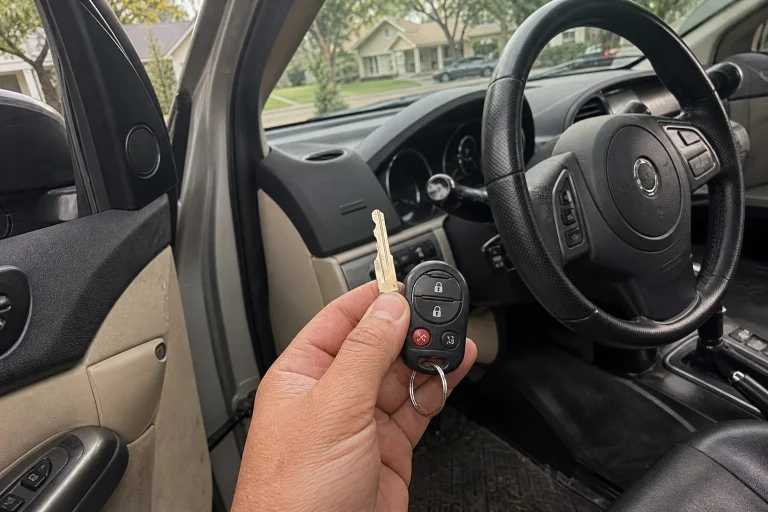
If you have one working car key, making a spare now can help you avoid a last-key emergency and give you time to check that every function works.
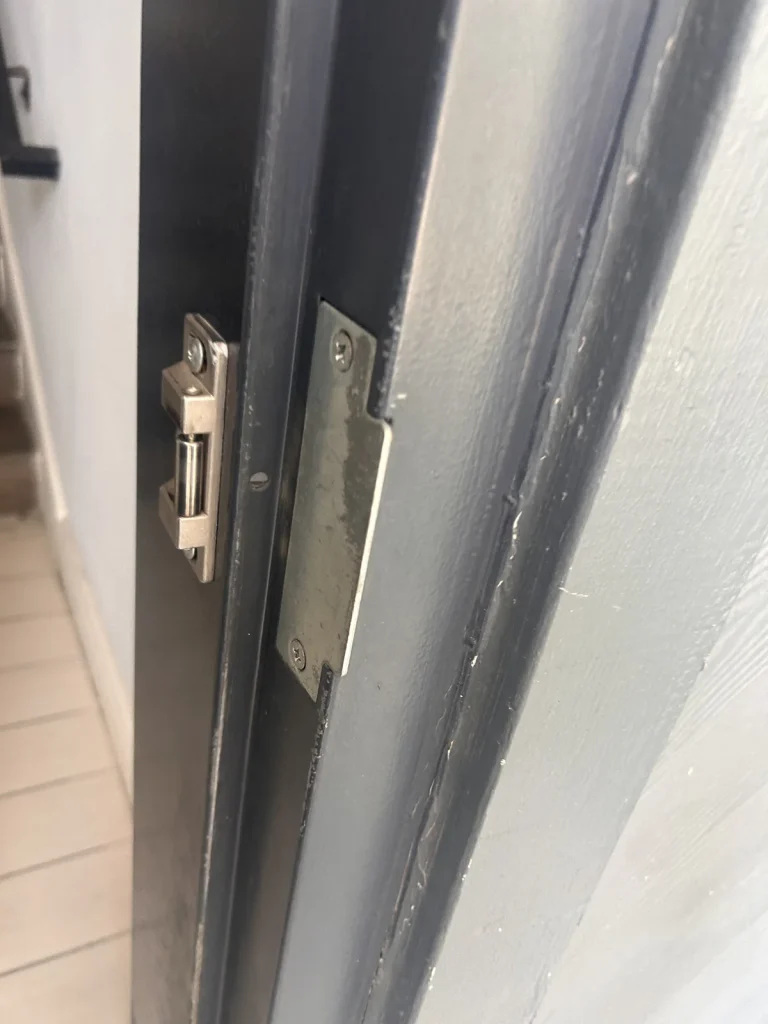
If your key goes in but the ignition won’t turn, check steering wheel tension, shifter position, and a spare key before you force anything. Repeated binding may point to a worn key or ignition hardware that needs inspection.