
Automotive Locksmith
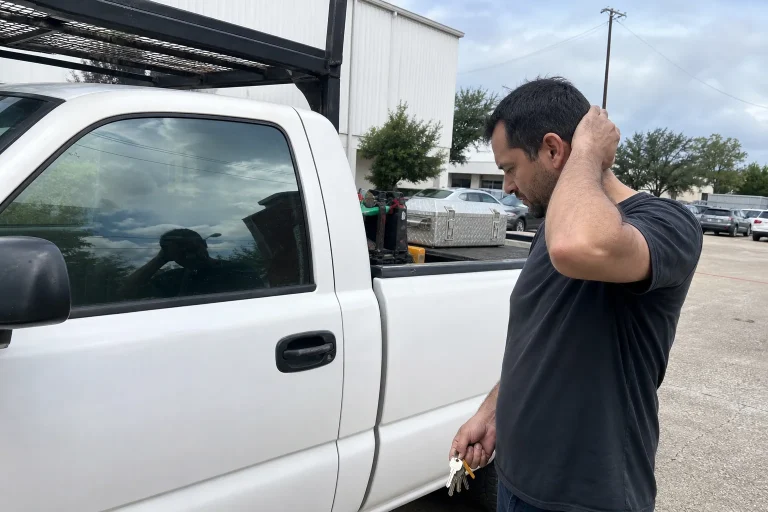
Work Truck Lockout or Lost Key? What Contractors Should Plan For
Locked out of a work truck or missing its key? Gather the truck details, proof of authority, location, and safety concerns before calling for help.
License Number: B09416401
Residential Lock rekeying In Houston by Scorpion Locksmith. Fast arrival, upfront pricing, keyed alike, licensed techs, 24 7 support. Call for secure service
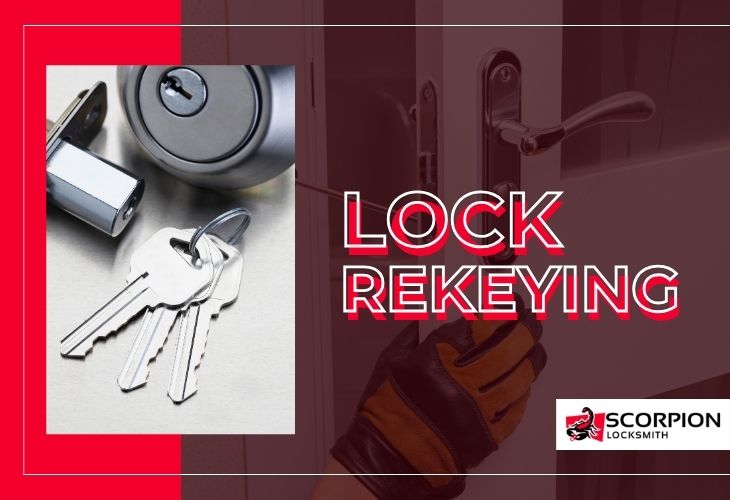
Residential lock rekeying in Houston changes a lock’s internal pins so previous keys no longer work.
Scorpion Locksmith helps Houston, TX homeowners update access, check existing hardware, and put compatible locks on one key. Rekeying is a practical option when your locks work but key control needs attention.
You may have just moved, lost a key, or finished a home renovation. Whatever brought you here, the first step is deciding which locks need new keys and which hardware needs other work.
Call (281) 623-1517 or visit Scorpion Locksmith to discuss your home’s locks.
Residential lock rekeying changes which key operates a lock without replacing the whole lock assembly. For a common pin tumbler lock, that involves changing the pins inside its cylinder to match a different key.
The deadbolt, knob, or handle can often stay in place if it is in good condition. Once the cylinder has been properly rekeyed and tested, keys cut to its previous combination should no longer operate it.
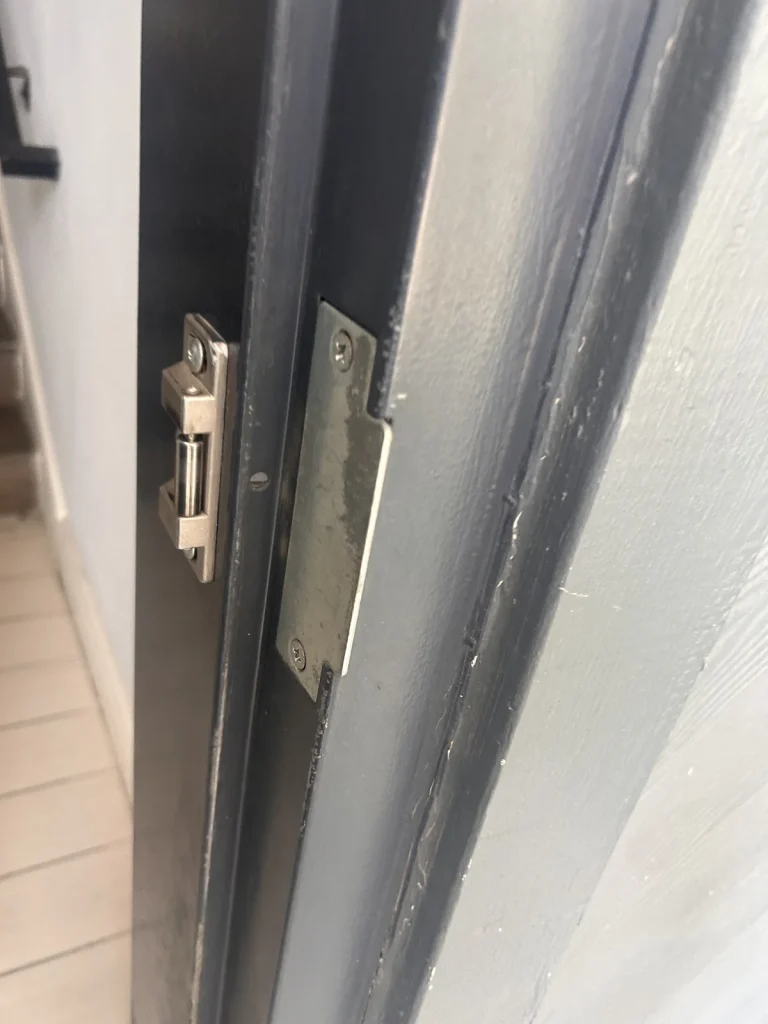
Rekeying does not fix every security concern. A cracked door frame, loose strike plate, or worn latch needs separate attention because changing pins will not correct those problems.
Think of rekeying as updating permission at the door. The lock may look the same, but the old key no longer gets a vote.

Rekeying makes sense when you cannot confidently account for every working key. You do not have to wait for a lock to break before changing access.
Have you counted the copies outside your household? A spare given to a neighbor, cleaner, contractor, or former resident can easily slip from memory.
The goal is straightforward. Know who has a working key from this point forward.
Rekeying after a move helps establish a clear access plan for your household. Receiving keys at closing does not confirm that you received every copy.
Before moving day gets crowded, identify each keyed entry. Include the front door, back door, side entrance, and the door connecting an attached garage to the house.
A garage remote and a house key control different access points. Changing a door lock’s key does not change garage opener remotes, keypad codes, or other entry credentials.
For townhomes or properties with shared entrances, confirm which locks you are authorized to change before scheduling work.
Rekeying is usually worth considering when existing hardware functions properly and you only need different keys. Replacement may make more sense when the hardware is damaged, unreliable, or unsuitable for your needs.
A lock that turns smoothly with the door open but binds when closed may have an alignment problem. A cylinder that catches even with the door open may need closer inspection.
We look at the condition of the hardware before recommending a path. Changing the key combination should not hide a problem that still leaves the door difficult to secure.
You do not necessarily need every lock replaced because one has failed. Each door can be assessed on its own.
Keying locks alike lets one key operate several compatible locks around your home. It can simplify daily use without changing who receives access.
Would you rather carry one house key than try three at the back door? A shared key can make that possible, but the lock cylinders must accept a compatible key type.
Locks from different brands or product lines do not always work together. Even similar-looking hardware may use different keyways, which are the openings that accept the key.
Before choosing a shared key arrangement, consider which doors and key holders should be included.
A single-key setup is convenient, but it also gives each key holder access to every lock in that group. We can help you weigh convenience against separate access needs.
Separate key groups let you limit access to selected areas of your property. Not every door needs to share the front door’s key.
You might want household doors keyed alike while keeping a workshop or detached garage separate. That arrangement can be useful when someone needs occasional access to equipment but not your living space.
Write down the intended access before work begins. Clear instructions reduce confusion over which new key should operate each door.
For most homes, a simple plan is easier to manage than several overlapping key groups. If you need a more involved access setup, describe who needs entry to each area so we can discuss what the existing hardware supports.
Remember that changing a lock does not settle disputes over permission to enter. Confirm authorization with the property owner or manager when access rights are unclear.
A rekeying visit includes checking the hardware, changing compatible cylinders, and testing the new keys. The exact work depends on the lock type and condition.
For residential lock rekeying in Houston, we focus on both key operation and how the door closes. A newly cut key is only useful if the lock also works correctly in its installed position.
Ask questions during the review if any door still feels difficult to use.
A missing original key does not automatically mean the entire lock must be replaced. Depending on the hardware and its condition, rekeying may still be possible.
Tell us whether the door is currently open, locked, or inaccessible. Accessing a locked door and changing its key combination are different tasks, so that information helps define the visit.
Do not force a screwdriver, improvised tool, or unrelated key into the cylinder. That can damage components and turn a key-control issue into a hardware problem.
If you have several unlabeled keys, keep them together for inspection. Do not discard them before the visit, since a working key may help with the process and later testing.
We may need to verify that you are authorized to request access changes. Ask what documentation to have ready when you call.
Some smart locks have a mechanical cylinder that may be rekeyed, while others have no physical key cylinder. The model determines what can be changed.
Rekeying a backup cylinder does not remove app users, erase keypad codes, or reset remote access. Those settings require their own review using the manufacturer’s instructions.
Keep personal passwords private when describing the issue. We can discuss the mechanical lock without needing your account password over the phone.
For recently purchased homes, review both physical keys and electronic permissions. Changing only one can leave another method of entry unchanged.
The time needed depends on the number of cylinders, hardware condition, and access to each door. A clear description of the property helps us discuss a reasonable service window.
A door can have more than one keyed cylinder. A keyed knob and separate deadbolt usually count as two locks to inspect, even though they serve one entry.
Photos can help identify visible hardware before the appointment, though they cannot show every internal issue. Tell us about sticking locks instead of assuming rekeying will resolve them.
A little preparation makes it easier to inspect every lock and confirm the right key arrangement. You do not need to remove hardware yourself.
Clear the area around each door and gather the keys you currently use. Let us know about gates, entry instructions, or property rules that could affect access.
If you rent, contact the property owner or manager before arranging changes. For a managed property, confirm any requirements for providing updated keys.
Houston heat, moisture, and shifting door fit can affect how easily a lock operates. Rekeying changes key access, but it does not correct movement in the door or frame.
Does your deadbolt work only when you lift the handle or pull hard on the door? That points to a fit issue worth checking, not just a need for new keys.
On Texas homes with exposed side or back doors, watch for rust, loose hardware, and weathered trim. These conditions can interfere with dependable closing and locking.
A useful check is to compare lock operation with the door open and closed. If it works smoothly open but catches when closed, mention that difference when scheduling.
Avoid repeatedly forcing a binding deadbolt. Continued pressure can wear the key and lock while leaving the underlying alignment problem unresolved.
Good lock care begins with gentle operation and a clear plan for distributing new keys. Test your new keys before you need them in a hurry.
Use each key with the door open first, then confirm normal operation with the door closed. If anything catches, sticks, or feels inconsistent, bring it to our attention rather than forcing it.
Avoid hiding keys beneath doormats or flowerpots. Those hiding places are familiar to more people than the person who put the key there.
Scorpion Locksmith helps you choose a practical rekeying plan based on your doors, hardware, and access needs. We explain the difference between changing keys and correcting a lock or door problem.
That distinction matters because not every stiff lock needs replacement, and not every worn lock should stay. We inspect the hardware and discuss relevant findings before settling on the work.
You can tell us whether your main concern is a missing key, a recent move, or too many different keys. We use that information to focus the visit on the outcome you need.
Our approach is straightforward. Review the locks, confirm compatibility, explain limitations, and test the completed work. You should understand which keys operate your doors before putting them into daily use.
Residential lock rekeying in Houston gives you a way to change key access while keeping suitable existing hardware. Scorpion Locksmith can help you review your doors and decide what needs attention.
When you contact us, share your Houston, TX location, the approximate number of locks, and whether you have working keys. Mention any locked doors, smart locks, or hardware that sticks.
Ready to stop wondering who might have an old copy? Call Scorpion Locksmith at (281) 623-1517 or contact us to discuss residential rekeying for your home.
Residential lock rekeying involves changing the inside of your existing locks so that old keys will no longer work and new keys are needed.
Rekeying is recommended after moving in, losing your keys, or if you want to prevent previous keyholders from having access.
No, rekeying changes the key that works with your current locks without replacing the entire hardware.
In most cases, rekeying is a more cost-effective option compared to installing brand new locks.
Rekeying a standard lock typically takes a short amount of time and can often be completed in a single visit.
Yes, you will receive new keys that match the rekeyed locks.
Most common household locks can be rekeyed, but some specialized locks may differ.
Yes, Scorpion Locksmith can rekey locks so they work with a single key for your convenience.
No, Scorpion Locksmith offers mobile service and can rekey your locks at your home.
Scorpion Locksmith provides professional residential lock rekeying services for homeowners.
Locked out of a work truck or missing its key? Gather the truck details, proof of authority, location, and safety concerns before calling for help.
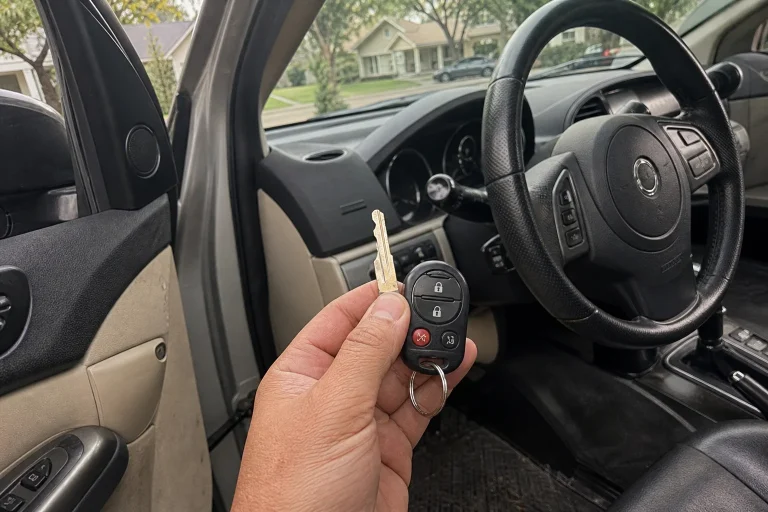
If you have one working car key, making a spare now can help you avoid a last-key emergency and give you time to check that every function works.
If your key goes in but the ignition won’t turn, check steering wheel tension, shifter position, and a spare key before you force anything. Repeated binding may point to a worn key or ignition hardware that needs inspection.