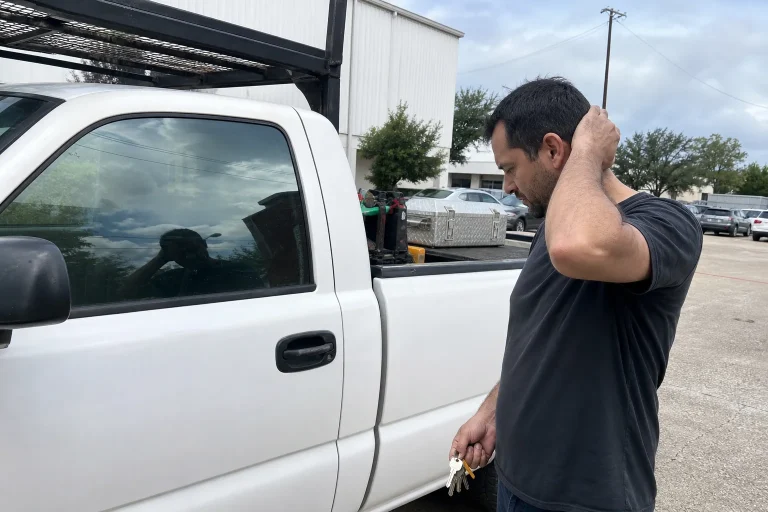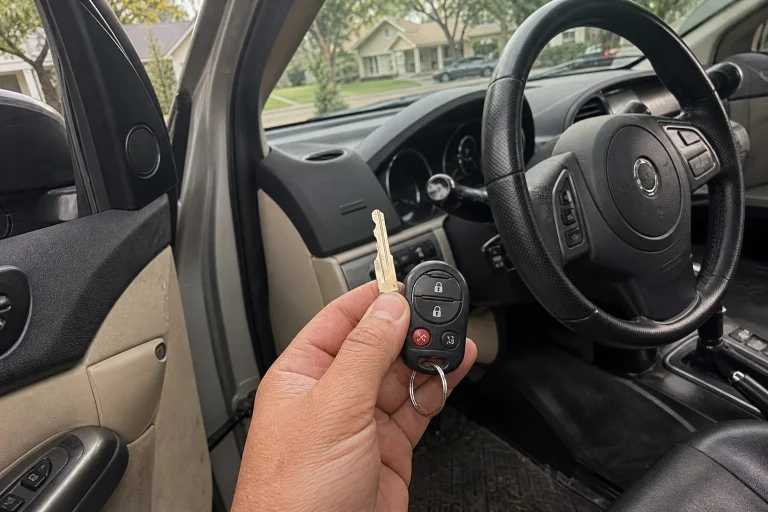
Most homeowners should rekey working exterior locks soon after they take possession. Rekeying stops old keys from working without changing the lock hardware. Choose replacement when a lock is damaged, sticks, fits poorly, or no longer gives you the features you want. Before you decide whether to rekey or replace locks after moving, check every way into the home.
Old keys can stay with past owners, tenants, relatives, contractors, cleaners, or neighbors. The ALOA Security Professionals Association advises rekeying as soon as possible after taking possession because not every old key is likely to be returned.
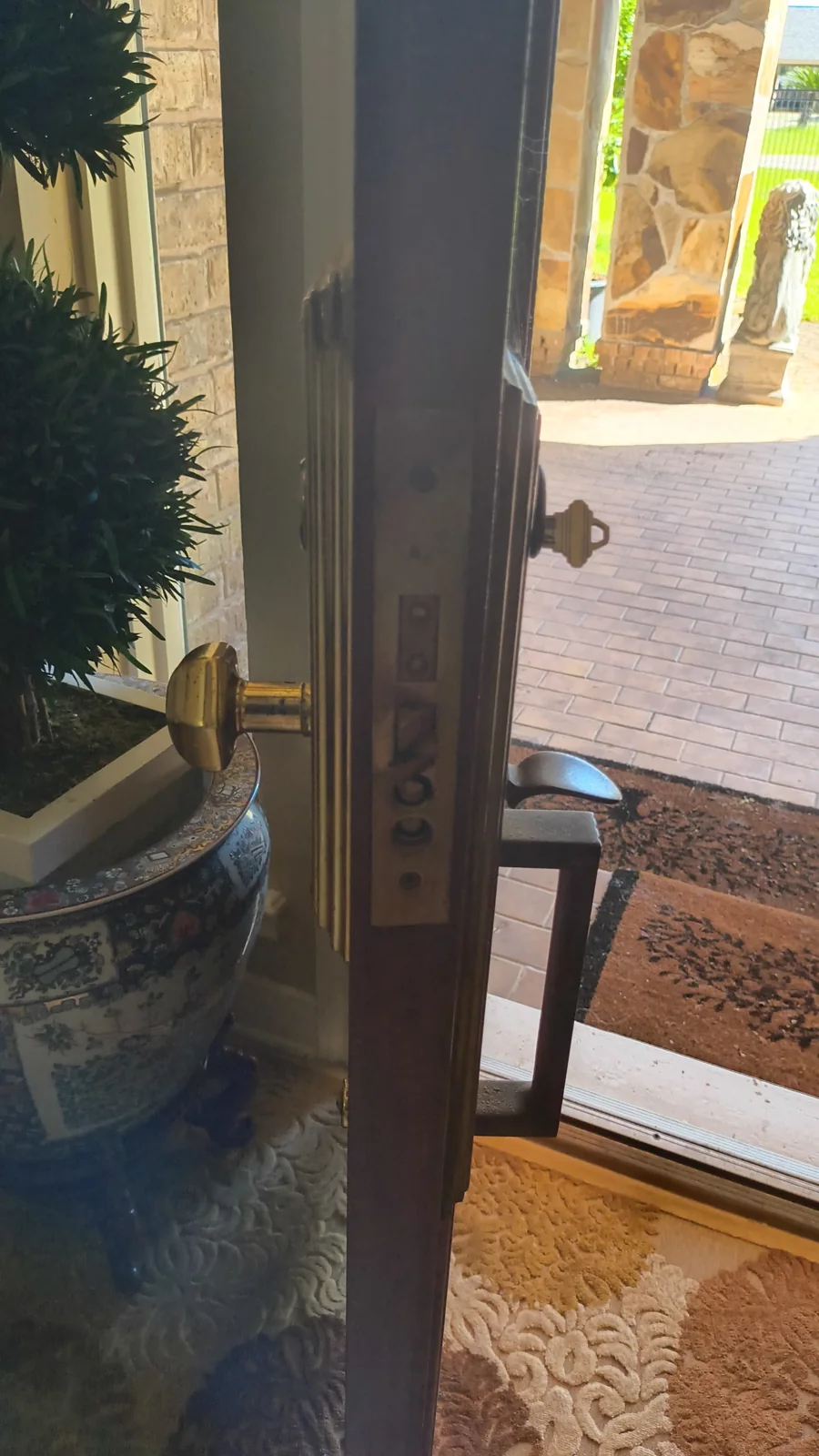
Start with a first-week door and key check
Walk the property before unpacking makes the job easier. Bring every key and remote you received. Open and close each door from both sides, then note missing keys and hardware that does not work smoothly.
- Front, back, and side exterior doors
- Door from an attached garage into the house
- Detached garage doors and service doors
- Patio, French, and sliding glass doors
- Gates, sheds, storage rooms, and other storage buildings
- Mailbox and community access keys, when those are part of the property
Do not skip a garage or storage area. ALOA specifically says to consider garage and storage-building locks when you take over a property. Keep a simple list of each opening, the lock type, and whether you want it to use the same key as another door.

Choose rekeying when the lock hardware is still sound
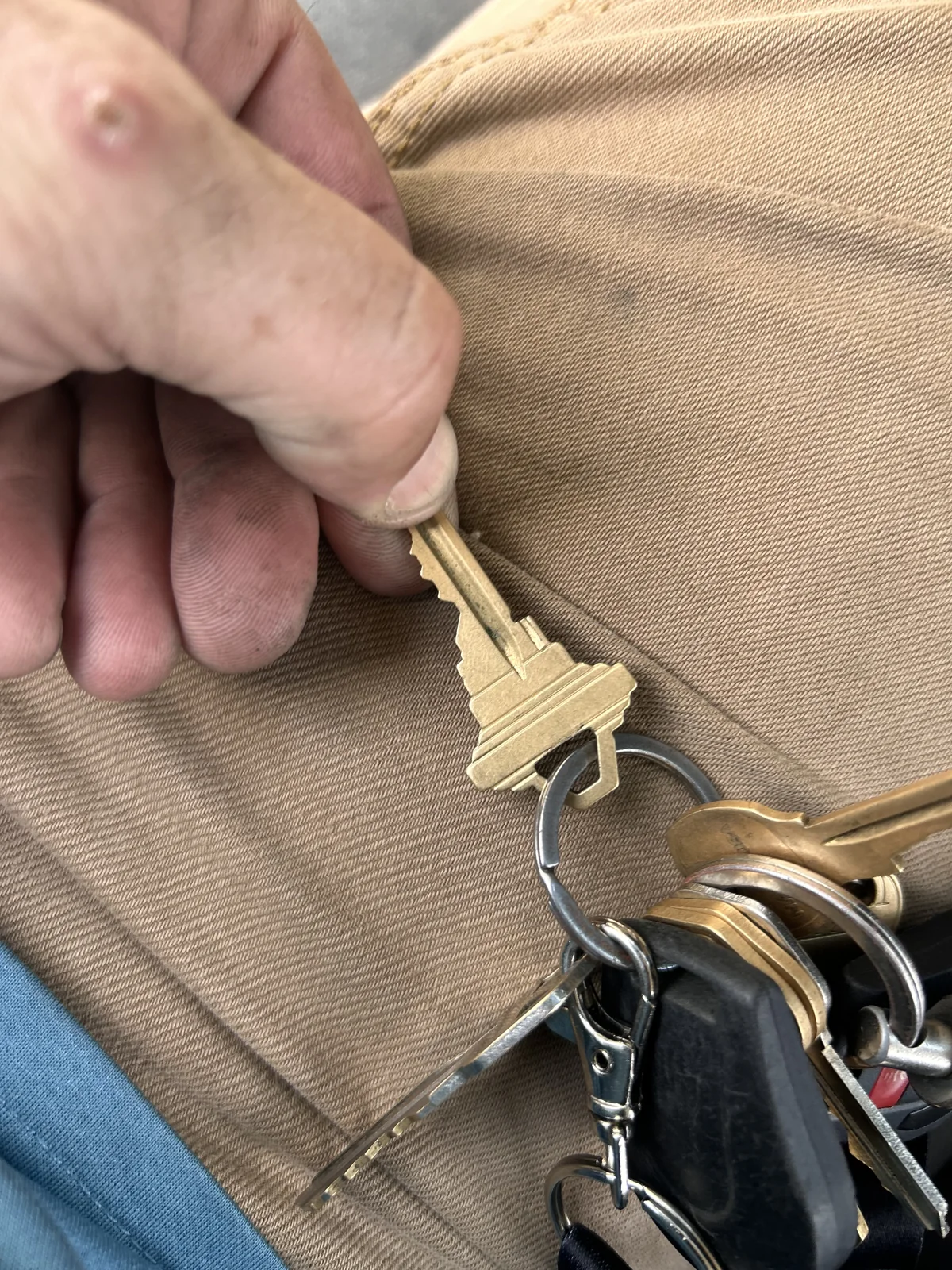
Rekeying changes the lock so a new key works and the old key no longer works. The outside hardware can stay in place. It is often the practical choice when the lock operates well, the door closes cleanly, and you are fine with the lock’s current style and features.
Rekeying fits these move-in situations
- You do not know who has copies of the current keys.
- The lock turns smoothly and the latch or deadbolt moves freely.
- You like the current handles and deadbolts.
- You want fewer new keys after moving in.
- You want compatible exterior locks set to one key, if the hardware allows it.
A lock can look clean and still need rekeying. The question is not whether the prior owner handed you a key. It is whether every copy has been accounted for. When the hardware is in good shape, rekeying deals with that unknown without replacing parts that still work.
For a working lock, Residential lock rekeying is a direct next step. Ask for each exterior opening to be checked before it is rekeyed. Some locks may not be compatible with a planned one-key setup.
Replace locks when the hardware has a problem or no longer suits the door
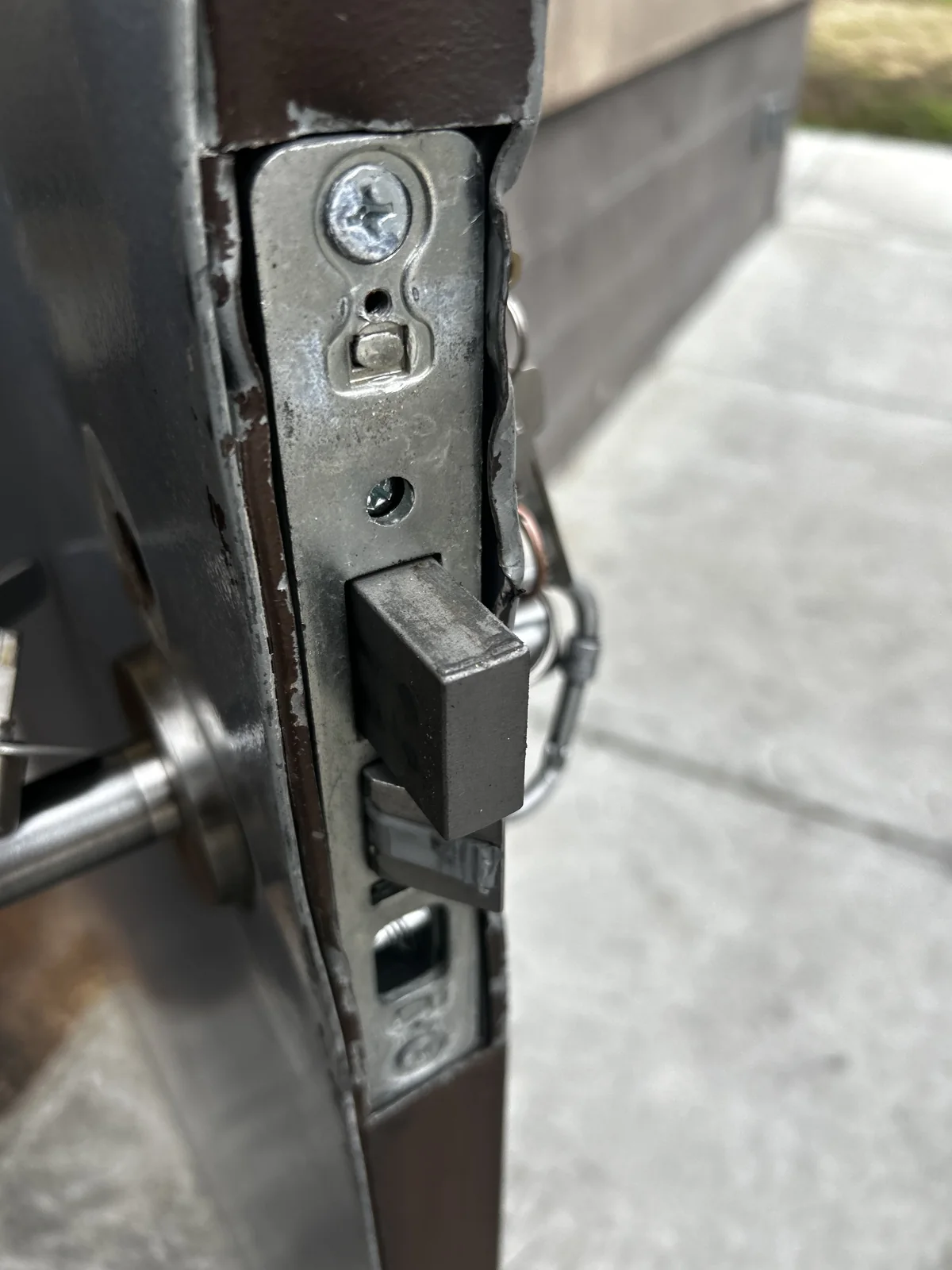
Replacement removes the old lock hardware and installs new hardware. It may be worth choosing when rekeying would leave you with a lock that is unreliable, awkward to use, or not the type you want on the door.
Signs replacement deserves a closer look
- The key is hard to turn, catches, or must be wiggled.
- The deadbolt does not extend or retract smoothly.
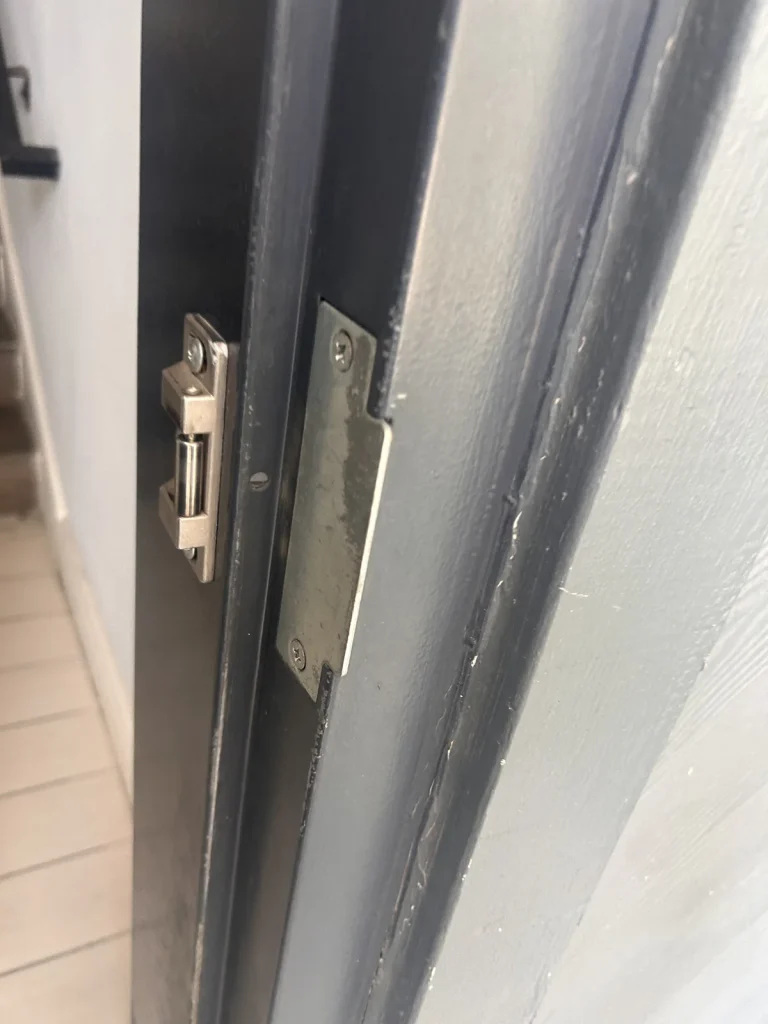
- The latch misses the strike plate or the door must be pushed or pulled to lock.
- The lock is loose, visibly damaged, corroded, or missing parts.
- Different exterior locks create too many keys and cannot be keyed alike.
- You want a deadbolt, a smart lock, a different finish, or a different handle style.
Some problems come from door alignment or a strike plate rather than the keyed part of the lock. A door that has shifted can make a good deadbolt feel faulty. Have the full door and lock checked so you know whether new hardware, an adjustment, or both are needed.
If you replace a lock, compare labels rather than choosing by finish alone. BHMA Certified Secure Home explains that its residential labels rate Security, Durability, and Finish as Good, Better, or Best. BHMA-certified residential locksets and deadbolts are tested against industry performance standards. Pick the ratings that fit the door’s use and your priorities, then confirm the hardware fits the door.
Use this rekey-or-replace comparison for each opening
| What you find | Likely direction | What to confirm |
|---|---|---|
| The lock works well, but old key copies are unknown | Rekey | Whether the lock can be set to your preferred new key |
| The lock sticks, feels loose, or shows damage | Replace or repair after an inspection | Whether the door and strike plate also need adjustment |
| You want the same key for several doors | Rekey compatible locks or replace mismatched hardware | Which existing locks can be keyed alike |
| You want keyless entry or a different deadbolt | Replace | Door thickness, backset, existing holes, and setup needs |
| A patio or garage-entry door has no working lock | Replace or install a suitable lock | How the door operates and what hardware it accepts |
A mixed plan is common. You may rekey solid locks on several doors, replace one worn deadbolt, and add new hardware where an entry has none. Treat each opening as its own decision, while planning the keys together.

Plan keys before the work starts
Moving is a good time to make access simpler. Decide who should have keys, where any spare key will be kept, and which doors should use the same key. Do not leave an unmarked spare outside where it is easy to find.
Also tell the locksmith about doors with special needs before work begins. That can include doors controlled by an owner or association, doors that lead to shared spaces, and doors with a required closer or panic hardware. Those details can affect which hardware is appropriate.
Have these details ready for a quote
- The number of exterior doors, garage entries, gates, and storage doors
- Photos of each lock from inside and outside
- Which keys and remotes you received at closing
- Any lock that sticks, fails to latch, or has visible damage
- Your goal for one-key access, new deadbolts, or smart locks
Photos help identify obvious differences in hardware, though an on-site check may still be needed. Ask for a rekey-versus-replace option per opening rather than assuming every door needs the same work.
Choose a locksmith you can verify
Before scheduling, check the business through the Texas Department of Public Safety Private Security page. Texas DPS regulates locksmiths under private security and provides license search and complaint resources. Get the business name, ask what work is proposed, and review the scope before authorizing it.
If you are still deciding on hardware, Scorpion Locksmith lists residential lock installation, rekeying, replacement, smart locks, deadbolts, and keying locks alike for Houston homes. A technician can assess the existing hardware and explain what fits each door.
FAQs
Can a lock be rekeyed if I have no old key?
It may be possible, depending on the lock and its condition. Tell the locksmith that no working key was provided. Do not force the lock or try to take it apart, since that can damage the hardware or door.
Should I rekey interior doors too?
Interior doors are a personal choice. Prioritize doors that provide access from outside or from a garage, patio, storage space, or gate. You may also want to address an interior lock if it protects a room where you need private access.
What if I am renting rather than buying?
Check your lease and contact the property owner or manager before changing or rekeying locks. Rental rules may control who can approve the work and who must receive a key.
For help checking and securing your new Houston home, call Scorpion Locksmith at (281) 623-1517. Ask for a rekey-versus-replace review of your exterior doors, garage entries, gates, and storage locks so you can choose the work that fits each opening.