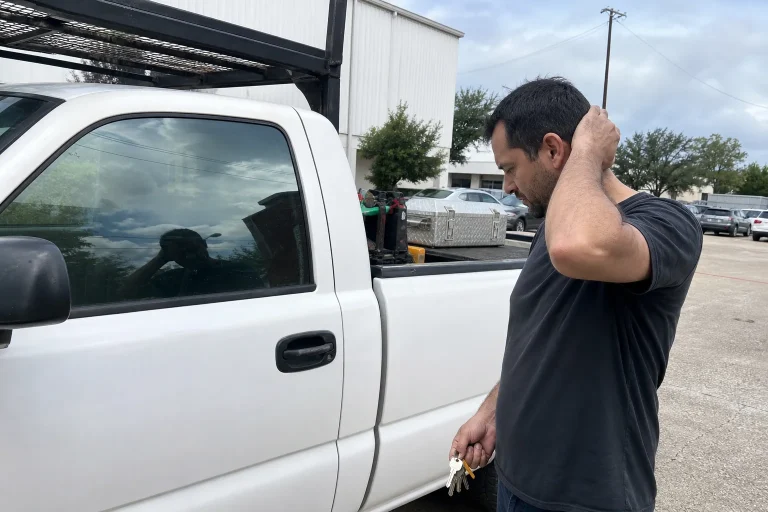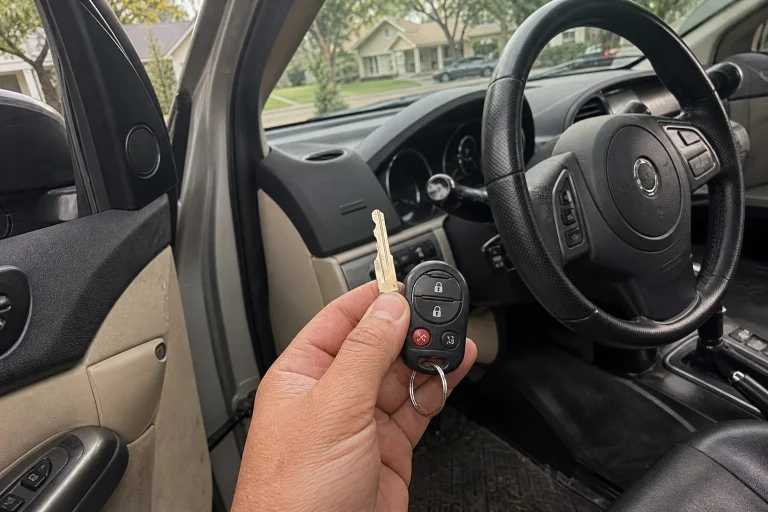
If you’ve lost your only car key, gather your vehicle year, make, model, VIN, photo ID, proof of ownership, and exact parking location. Then call an automotive locksmith, roadside service, or dealer and ask what replacement your vehicle needs. The key may need to be cut and programmed before it will start the car.
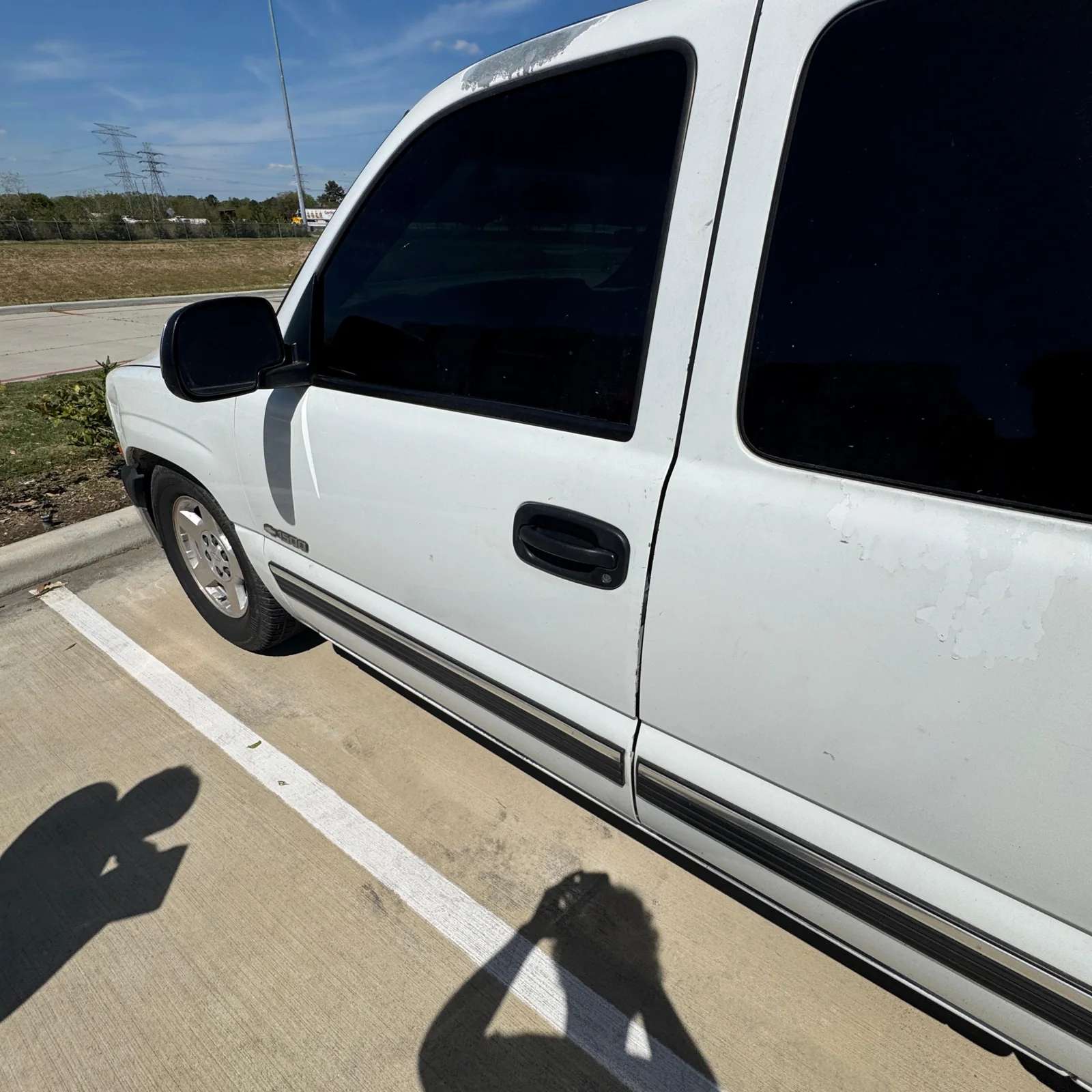
Start with the details that identify your car
When there’s no spare, the first call goes faster if you have the right details in front of you. AAA’s lost car key advice lists the VIN, year, make, model, and ownership papers as useful details for a replacement request.
Find the VIN before you call if you can. It may appear on your registration, insurance card, vehicle paperwork, or through the windshield on the driver’s side. Don’t guess the trim level or model year. A similar-looking key may use a different chip, remote, or programming method.
Have these items ready.
- Your vehicle year, make, model, and VIN
- Your current location and the car’s exact parking spot
- A cross street, garage level, business name, or apartment building name when needed
- A government-issued photo ID
- Registration, title, purchase paperwork, or another ownership document
- Your phone number and a way to receive updates
If the car is in a garage, tell the service provider about height limits, entry instructions, or payment gates. If it’s at an airport or a large retail lot, save a map pin and note the row or section. A technician can’t replace a key at the wrong vehicle or spend time searching a large lot.
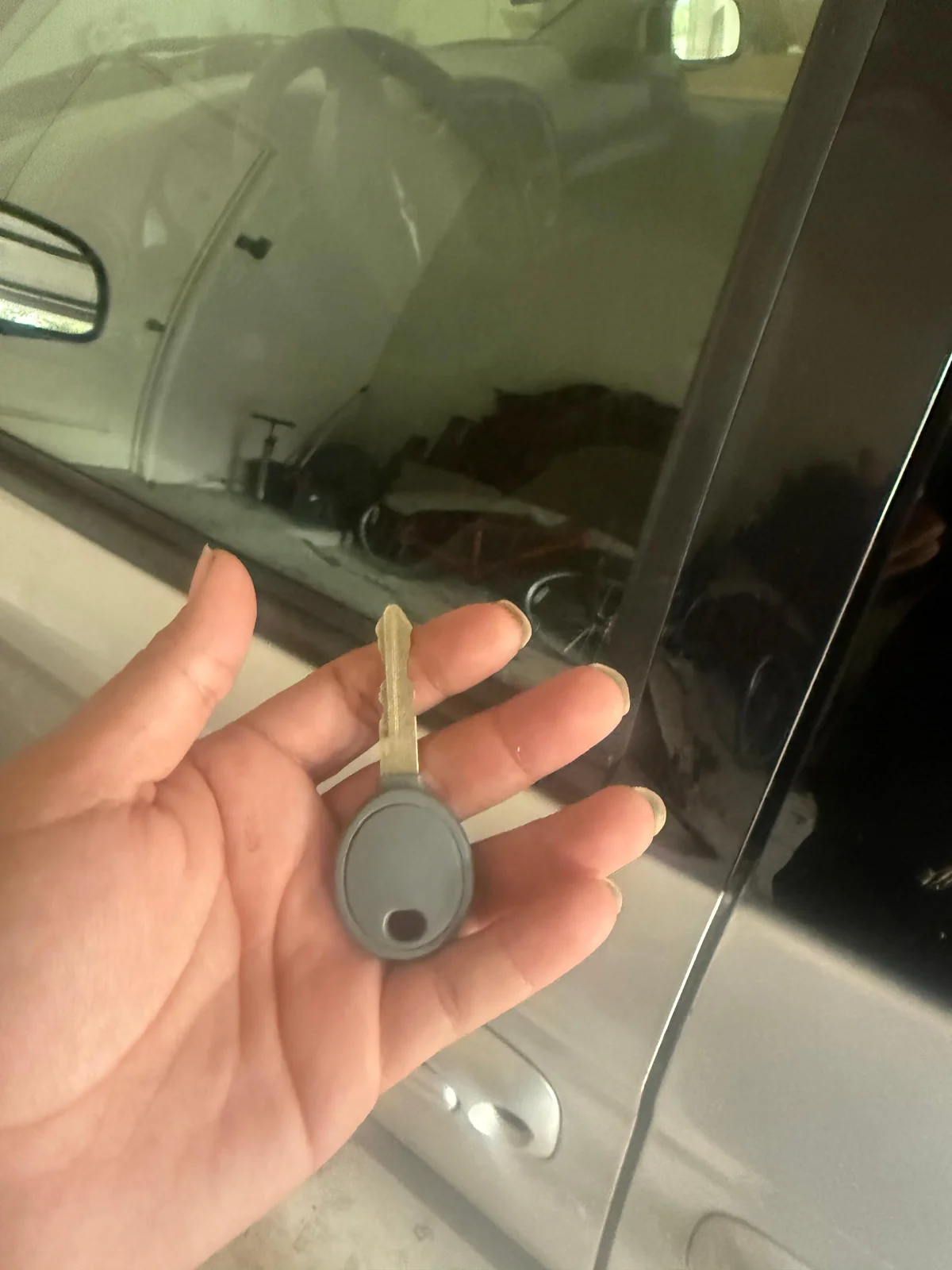
Know what kind of lost only car key you had
The old key determines the replacement work. Look at a photo of the key, your owner’s manual, or the car’s key ring if you still have it. Tell the provider what you remember, but let them confirm the type from the vehicle details.
A basic metal key
Older vehicles may use a metal key with no remote buttons and no electronic chip. The replacement may only need the physical key shape. Even then, the provider needs to verify the vehicle and your right to access it.
A transponder key
A transponder key has a small electronic chip inside. The chip communicates with the car’s anti-theft system. The key might turn in the ignition but still fail to start the car if that chip has not been set up for the vehicle.
A remote key or key fob
A remote may lock and unlock the doors from a distance. Some vehicles combine the remote and key blade in a single unit. Replacing it can involve the physical blade, the buttons, the electronic chip, or more than one of those parts.
A smart key
Many push-button-start vehicles use a smart key that the car detects nearby. The replacement may need vehicle programming before the car recognizes it. Whether a mobile provider can complete that work depends on the make, model, year, available equipment, and replacement part.
Don’t buy a random key or fob based only on its appearance. A matching shell, button layout, or key blade does not prove it will work with your vehicle. Ask the provider which part number or key type fits before you spend money.
Be ready to show ID and permission to access the car
Replacement keys are tied to vehicle access, so expect an identity and ownership check. Texas Occupations Code Chapter 1702 says a locksmith handling entry to a motor vehicle must see government-issued identification and receive signed authorization from a person who owns or is legally entitled to access the property.
Keep your ID and ownership document together. If your papers are locked inside the car, tell the provider before service begins. The right paperwork may differ if the car is leased, owned by a business, or registered to a family member. Ask what proof is needed for your situation rather than assuming a photo of a document will be enough.
If you are helping someone else, have the registered owner available by phone. Never ask a locksmith to work around an ownership check. It protects the vehicle owner and helps avoid a wasted trip.
Ask these questions before you approve replacement work
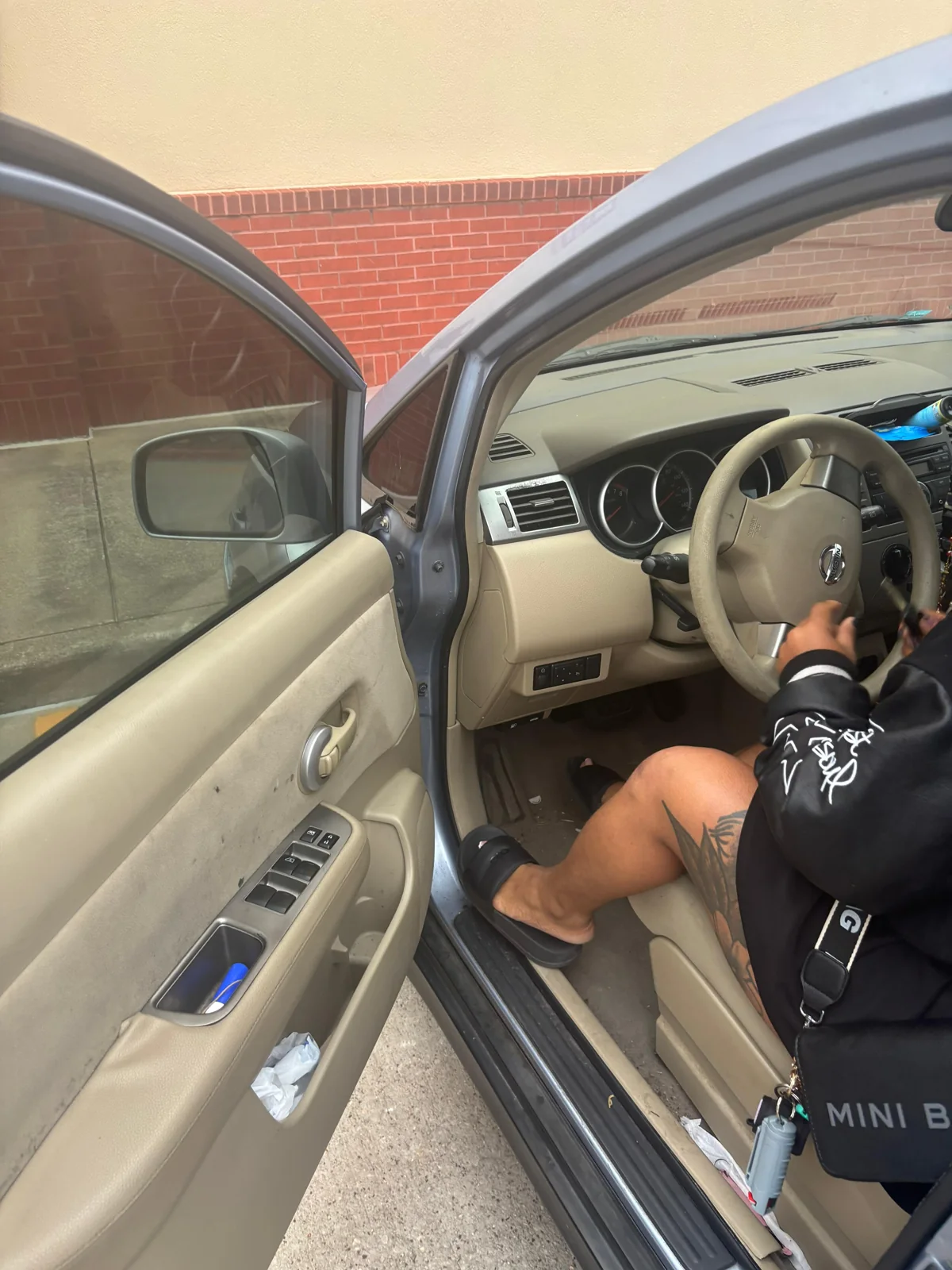
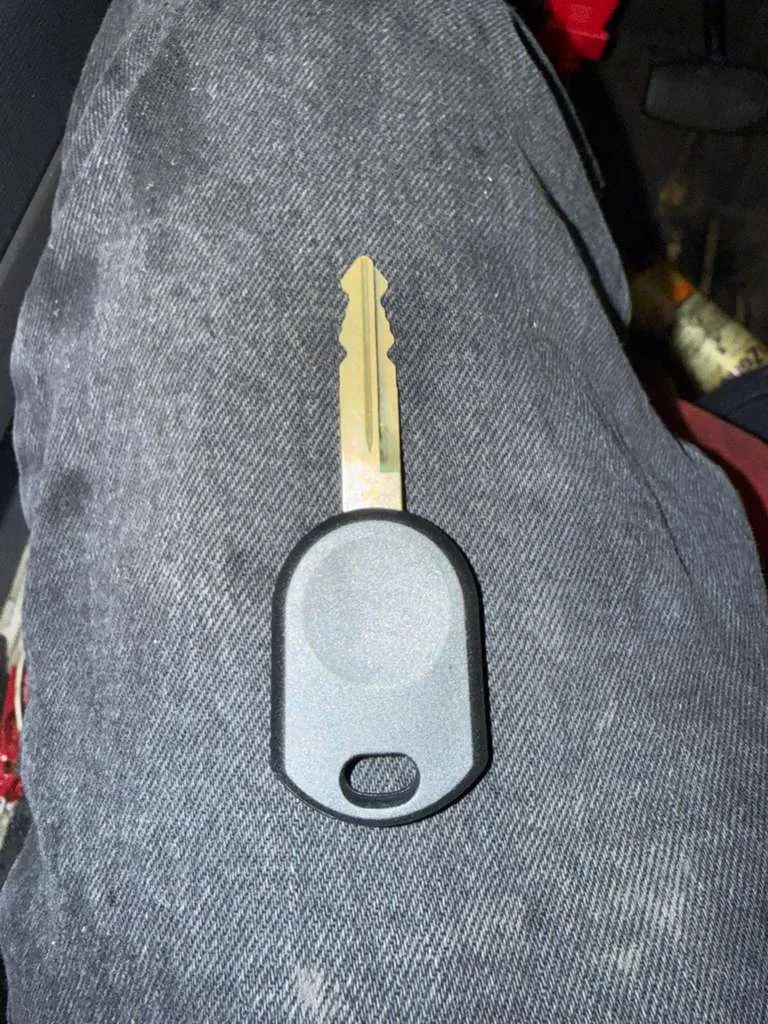
There is no single price or process for a lost key. The vehicle, key type, replacement part, programming needs, location, and any towing needs can change the job. Get the details in writing or save them in a text message when possible.
- Can you make a replacement for my exact year, make, and model?
- Can you come to the car’s current location, or does this vehicle need dealer service?
- Does the quoted work include the key or fob, key blade cutting, and programming?
- What could change the quote after you inspect the vehicle?
- What payment methods do you accept?
- What ID and ownership papers do you need to see?
- Can you make a tested spare once the first replacement works?
A low parts price may not include cutting or programming. Ask about the full replacement work so you can compare options fairly. If a provider cannot confirm fitment from your vehicle details, pause before authorizing the job.
Check coverage before paying out of pocket
Some drivers may have help through roadside assistance, a vehicle warranty, or insurance coverage. Consumer Reports notes that coverage can be worth checking before you pay yourself. The same source cites common replacement fob costs of roughly $50 to $400, depending on the brand. That range is not a quote for your car, since labor, programming, location, and the needed key parts can change the total.
Call the coverage provider and ask whether lost keys are included, whether there is a claim limit, and whether you must use a certain service provider. Get a claim number or approval details before work begins if the plan requires it. Keep the final receipt for your records.
Decide whether the missing key creates a security concern
Think about where the key was lost. A key dropped far from the vehicle may pose a different concern than a key lost next to a wallet, address, parking pass, or documents that identify the car. Share only the facts you know with the provider.
Ask whether your vehicle allows the missing key to be removed from its recognized keys. That option is vehicle-specific. A provider or dealer can tell you what the vehicle supports after checking its details. Don’t delay a needed replacement while trying to decide this alone.
If the car is in an unsafe place, focus first on your personal safety. Move to a public, well-lit area if you can do so safely. If someone is trapped, there is a fire, or there is smoke, call 911 first.
Test the replacement before the job is finished
Before the service provider leaves, test the functions you paid for. Stand near the car and check the door lock and unlock buttons if your replacement includes a remote. If the key has a physical blade, check that it enters and turns in the proper lock. Start the vehicle and let it run long enough to confirm the car recognizes the key.
For a push-button-start car, test that the vehicle detects the smart key and starts normally. If you received two keys, test both. Keep the receipt, key packaging if supplied, and any written instructions in a safe place. These records may help if you need a future spare.
Make a spare while the replacement details are fresh
Once the first key works, arrange a spare if it fits your budget. Store it away from the car and away from the original key. A trusted person’s home or a secure place at home can work better than a glove box, where it is unavailable during a lockout.
Label the spare without putting your home address, full name, or vehicle details on the tag. Save the key type, vehicle details, receipt, and service provider contact in a secure note. Those records can shorten the next replacement request.
Questions drivers often ask
Can roadside assistance replace a lost car key?
It depends on your membership and vehicle. Some plans may help with lockout service, towing, or part of a replacement expense. Call the plan provider to ask about lost-key coverage, limits, and whether it sends a locksmith or directs you elsewhere.
Can I use a key fob I bought online?
Maybe, but it needs to match the vehicle and may still need a blade cut and programming. Ask a locksmith or dealer to confirm the exact fit before purchase. A used fob may also have limits based on the vehicle and key system.
What should I do if I find my old key after getting a replacement?
Keep it separate until you confirm whether it still starts the car and whether it remains recognized by the vehicle. If the key was lost with identifying items, ask a provider or dealer whether it should stay active. Don’t leave an old key inside the car.
For help with a lost only car key in Houston, call Scorpion Locksmith at (281) 623-1517. Their car key replacement service asks for your make, model, year, location, ID, and proof of ownership so you can confirm the next step for your vehicle.