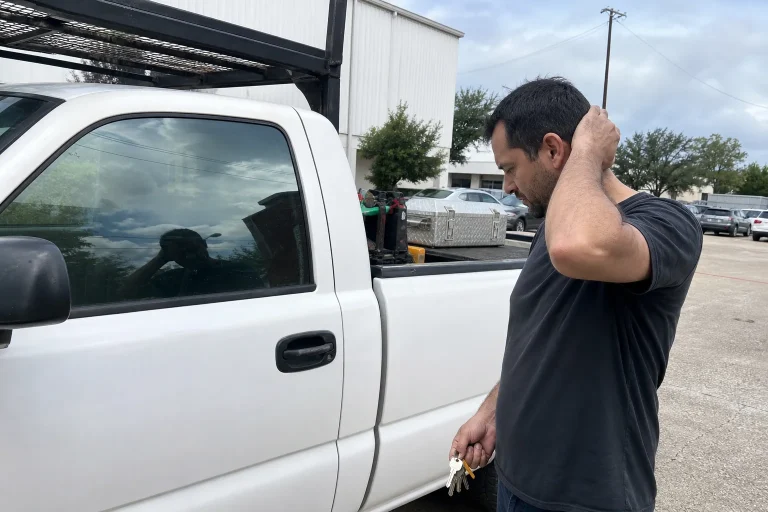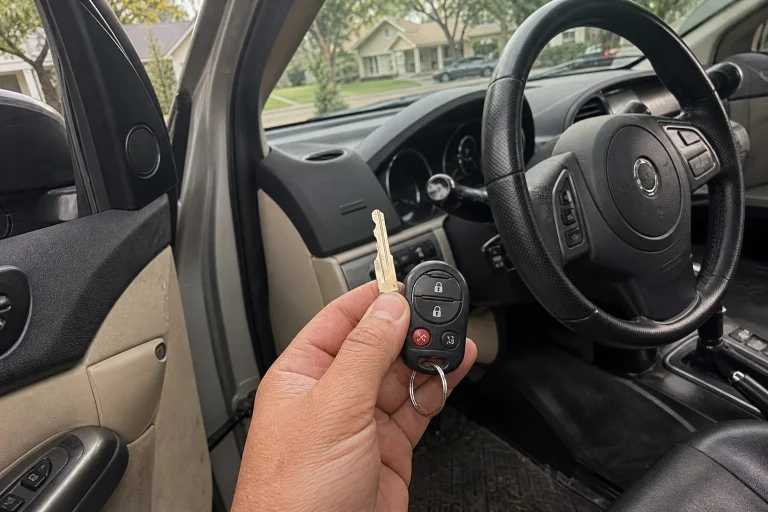
Car ignitions wear out for a few simple reasons, your key gets used a lot, heavy keychains pull on the cylinder, and heat plus humidity dries out or gums up small parts. The result is a key that sticks, won’t turn, or feels rough. Fixes often include cleaning, rekeying, key replacement, ignition cylinder repair, or parts replacement, based on what is worn.
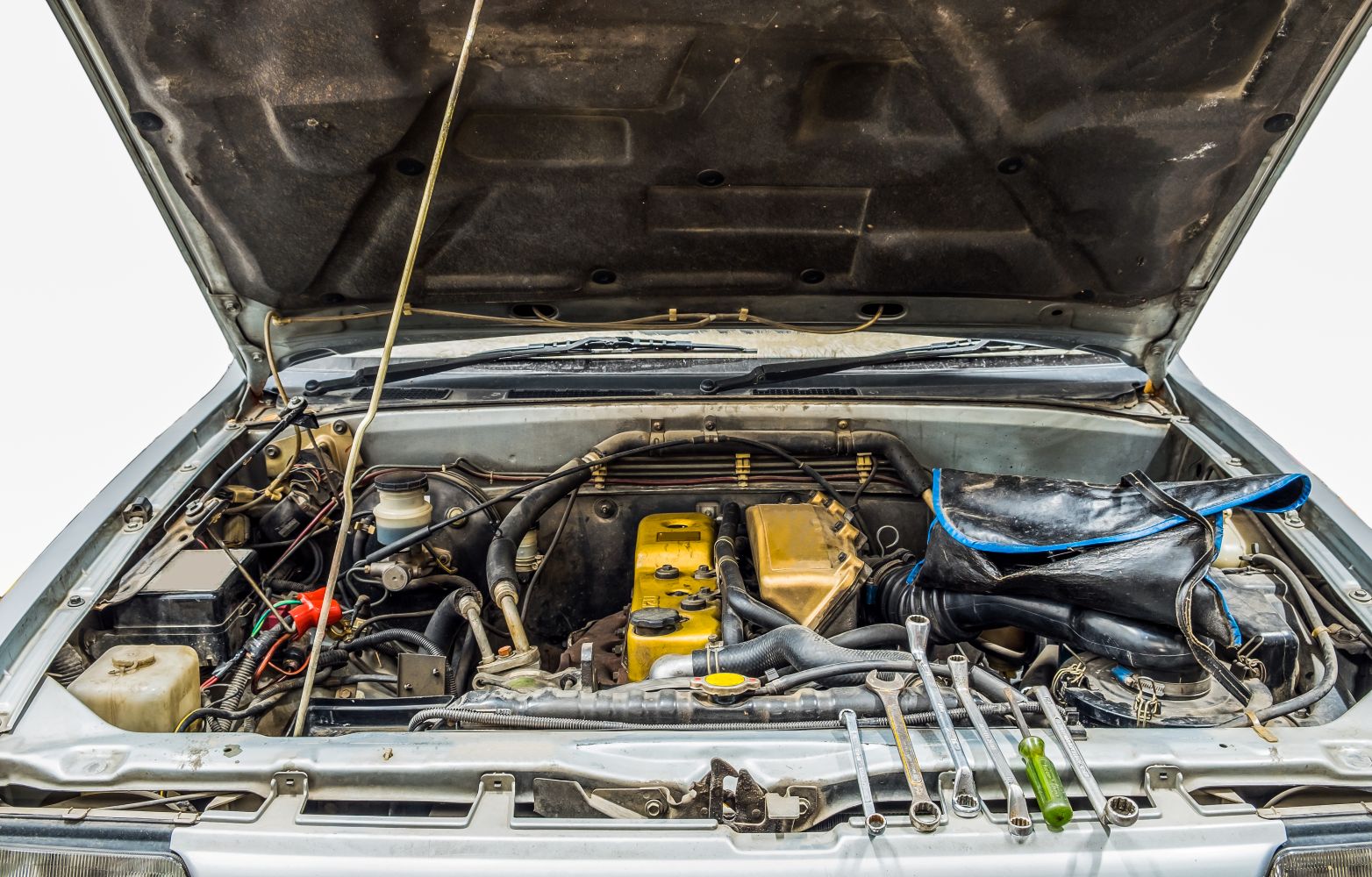
What an ignition really does, in plain talk
Think of your ignition like a handshake between your key and your car. If the handshake is smooth, the car starts. If it is sloppy, the car argues.
Most cars have two main parts people mix up:
- Ignition lock cylinder: the part your key slides into and turns.
- Ignition switch: the electrical part that tells the car to crank and run.
Sometimes the cylinder wears out. Sometimes the switch fails. Sometimes both are fine and the key is the real troublemaker. For help with keys and lock-related ignition issues, see Car locksmith or Ignition repair and replacement.
The big reasons ignitions wear out
Wear is normal. Your ignition is a “daily-use” part, like shoes. If you walk on them every day, they will not stay new.
1) Key wear from years of use
Keys are metal. Metal rubs metal. Over time, the cuts on the key get rounded off. That changes how the key lifts the tiny pins inside the cylinder.
What you may notice:
- The key only works if you wiggle it.
- It works better with a spare key.
- It turns, but feels “gritty,” like sand in a lock.
A quick story from real life: A driver once told a buddy, “My car is moody, it only starts if I sweet-talk the key.” The key was worn. The car was not moody. It was just tired. If this sounds familiar, Car key replacement or Car key duplication may help.
2) Heavy keychains that act like a wrecking ball
That big key ring with ten store tags, a mini flashlight, and a little souvenir key is not harmless. Every bump in the road adds a tiny tug on the ignition cylinder.
Over time, that constant pull can:
- Widen the keyway
- Wear the cylinder housing
- Stress the ignition switch behind it
If you drive Houston roads with plenty of dips and rough patches, that tug adds up fast. If you end up with a lockout while dealing with ignition wear, Car lockout support may be useful.
3) Heat and humidity in Houston
Houston heat can cook plastics and dry out light grease inside the cylinder. Humidity can help dirt stick, and rain can bring moisture in when car doors open and close all day.
What heat and humidity do:
- Dry out old lubricant so the key drags
- Make grime turn into sticky paste
- Speed up wear on soft parts
If you park outside near FM 1960 or in an open lot near the Energy Corridor, your car bakes longer than a car in a garage. That makes a difference.
4) Dirt, pocket lint, and “mystery crumbs”
Keys ride in pockets, tool bags, purses, and cup holders. Dirt sticks to key blades. That dirt goes straight into the ignition.
Common causes:
- Dust from work sites
- Sand and grit from shoes and floor mats
- Spilled drinks that dry sticky
Sticky stuff inside a cylinder can make pins slow to move. Then the key feels like it hits a wall.
5) Turning the key while the steering wheel is locked
You know that moment when the steering wheel is jammed and you crank the key hard? That puts extra stress on the cylinder and the key.
A better move is simple:
- Pull the wheel slightly left or right to release pressure
- Then turn the key
That small habit can save a lot of wear.
6) Worn or weak car battery causing “extra tries”
A weak battery can lead to repeat start attempts. More attempts means more key turns. More key turns means more wear.
The ignition is not the battery, but it takes the blame often.
Early warning signs your ignition is wearing out
Ignitions rarely fail like a movie scene. They usually complain first.
Watch for:
- Key sticks going in or coming out
- Key turns, then springs back weird
- Key turns only after wiggling
- The car starts, then stalls when you release the key
- You can pull the key out while the car is still on, on some models
- The key works better when the cabin is cooler, like early morning
Safety note: If your key sticks, do not force it with pliers. A snapped key blade can turn a small problem into a bigger one. If a key breaks, Car key extraction may be needed.
What we usually see in Houston, TX
Around Houston, these patterns show up a lot:
- Heat-baked cylinders in cars parked outside at apartments and job sites
- Sticky keyways from humidity plus dust
- Heavy keychains on trucks and work vans
- Worn keys that “sort of” work until a rainy day or a hot afternoon
Common fixes, and what they solve
The right fix depends on what is worn, the key, the cylinder, or the switch.
Clean and lube the cylinder, when it is just dirty
If the key feels gritty and the cuts on the key still look sharp, the cylinder may just be dirty.
A locksmith may:
- Clean out debris
- Use lock-safe lubricant, not oily garage spray
- Test with your key and a fresh-cut key if needed
Bad idea to skip: Thick oils can trap dirt. Then the lock turns into a dirt magnet. For general background on the product often mentioned for squeaks and water displacement, see https://en.wikipedia.org/wiki/WD-40.
Make a fresh key, when the old key is worn
If a spare key works better, your key is likely worn.
Fix:
- Cut a new key to match the correct pattern
- For chip keys or fobs, program as needed
This is often the simplest win. Like getting new shoes instead of blaming your feet. If you need chip key help, see Transponder and Key FOB programming.
Rekey the ignition cylinder, when pins are worn
Pins and springs inside the cylinder can wear. Rekeying replaces or resets the pin setup so the lock works right with a proper key.
This can help when:
- The key works only with perfect alignment
- The cylinder is not physically broken
- You want the ignition matched to a new key setup
Repair or replace the ignition lock cylinder, when the metal is worn
If the keyway is loose, or the cylinder is damaged, repair or replacement may be the real fix. Learn more at Ignition repair and replacement.
Common reasons:
- Heavy keychain damage
- Key forced during steering lock
- Past break-in attempt
- Internal parts worn past the point of repair
Replace the ignition switch, when power is the problem
Sometimes the key turns fine, but the car does not crank or accessories act odd. That can be the switch or wiring.
Signs that point more to switch issues:
- No click, no crank, but battery is good
- Dash lights flicker when turning the key
- Car starts only if you hold the key at a certain spot
A locksmith can often help with ignition-related lock issues and keys. Some electrical issues may need a mechanic, based on the car and the fault.
Remove a broken key, without harming the cylinder
Broken keys happen when people fight a sticking cylinder.
A proper removal:
- Pulls the blade without drilling when possible
- Checks if the cylinder damage caused the break
- Makes a new key so you are not stuck using a bent spare
If you need this service, see Car key extraction and Car key replacement.
Quick troubleshooting steps you can try at the car
Use this as a simple path. Short steps, clear choices.
- If the steering wheel is locked, then wiggle the wheel left and right while turning the key gently.
- If the key will not go in all the way, then check the key blade for bends and wipe it clean.
- If the key goes in but will not turn, then try your spare key. If the spare works, then the main key is worn.
- If the key turns but feels rough, then stop forcing it, dirt or worn pins may be inside.
- If the dash lights do not come on, then check the battery and battery terminals first.
- If the car starts only after many tries, then stop repeating hard turns, wear can speed up fast.
- If the key is stuck, then do not yank, shift to Park fully, then try again gently.
Safety note: If the car is not fully in Park, some cars will trap the key. Fix the shift position first.
A few myths and the real facts
Myth: “If I spray WD-40, it will fix the ignition forever.”
Fact: General sprays can leave residue that grabs dirt. Lock-safe products work better.
Myth: “My ignition failed out of nowhere.”
Fact: Most ignitions show signs first, sticking, rough turns, key wiggle starts.
Myth: “A heavy keychain is no big deal.”
Fact: Over time it pulls the cylinder and switch. Small tugs add up.
Myth: “If the key is stuck, brute force is the answer.”
Fact: Force can snap the key or damage the cylinder. Gentle steps save parts.
How Houston weather makes it worse
Houston heat can thin or dry old lubricants. Then metal rubs metal. That creates more wear and tiny metal dust. Humidity helps grime stick inside the keyway. After a rain, moisture on a key can carry dirt right into the cylinder.
Small habit that helps:
- Keep your key clean and dry.
- Do not leave drinks open near the ignition area.
- Park under cover when you can, even partial shade helps.
For local climate context, see https://en.wikipedia.org/wiki/Climate_of_Houston.
A simple care schedule that actually fits real life
You do not need a whole “car key hobby.” A few habits go a long way.
Weekly
- Keep only the car key and fob on the ring while driving.
- If the key feels odd, stop and use a spare key to compare.
Monthly
- Wipe the key blade with a dry cloth.
- Check for bends, cracks, or sharp burrs on the key.
- Notice if the key starts better in the morning than afternoon, that can hint at heat-related drag.
Yearly
- Make sure you have a working spare key.
- If the key has to be wiggled, get it checked before it turns into a no-start day.
- If you work around dust or job sites, consider a quick ignition cleaning by a pro.
When a locksmith can help fast, and when a mechanic may step in
A locksmith is a strong fit when the issue is about:
- Worn or damaged keys
- Sticking or worn ignition cylinders
- Rekey needs
- Broken key extraction
- Car key replacement and programming, depending on the vehicle
A mechanic may be needed when:
- There is a bigger electrical problem past the ignition switch
- The car has a start system fault not tied to the lock or key
Many times, the best path is to start with the key and cylinder check. It is the simplest place to find the real cause. If you need urgent help, visit Emergency locksmith or use Contact Us.
FAQs
Why does my key get stuck in the ignition?
Common causes are the shifter not fully in Park, a worn key, dirt in the cylinder, or a worn cylinder. Try shifting firmly to Park, then remove the key with gentle pressure.
Can a worn key damage the ignition?
Yes. A worn key can drag and force pins to move the wrong way. That can speed up wear inside the cylinder.
Is it bad to hang lots of keys on my ignition key?
Yes. Extra weight pulls on the cylinder while you drive. Over time, it can loosen parts and lead to ignition cylinder repair.
Why does my ignition act up more on hot days in Houston?
Heat can dry out old lubricant and expand parts slightly. Humidity can also make grime sticky. That mix can make turning the key feel rough.
What should I do if my key will not turn but my steering wheel is locked?
Turn the steering wheel left and right with light pressure while turning the key. Do not force either piece. The goal is to release the lock pressure.
Can you fix an ignition without replacing the whole thing?
Often, yes. Cleaning, rekeying, or replacing only the lock cylinder may solve it. The correct fix depends on what is worn.
Why does my car start only when I wiggle the key?
That usually points to a worn key, worn pins in the cylinder, or both. A fresh key cut and a cylinder check often finds the cause.
Is it safe to keep driving if the ignition is sticking?
It can leave you stranded at the worst time, like at a gas station or after a long shift. If it is sticking, get it checked soon, and avoid forcing the key.
If your key is sticking, turning rough, or acting like it wants to pick a fight, Scorpion Locksmith can help with car key replacement, ignition cylinder repair, rekeying, and broken key removal across Houston, TX. Call (281) 623-1517 or visit https://scorpionlocksmithhouston.com/ to get back to smooth starts and fewer parking lot battles. You can also reach out through Contact Us.