

Locksmith Tips
Kids or Pets Locked in, Who to Call First and Why
If kids locked in car or a pet locked in car happens, call 911 first
License Number: B09416401
Exit Device Installation In Houston by Scorpion Locksmith. Same day panic bar install rim mortise. ADA and fire code compliant. 24 7 local techs with warranty
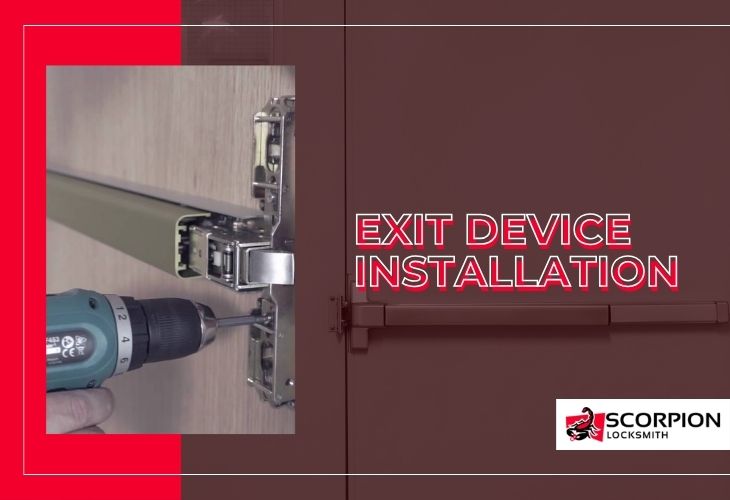
Exit Device Installation in Houston adds push-bar hardware that lets people open an exit door from inside. Scorpion Locksmith helps Houston, TX businesses choose compatible devices, address door fit, and check operation after installation. We focus on practical hardware choices that support dependable daily use and emergency exits.
An exit device releases a door latch when someone presses its bar or push pad. You may hear this hardware called a panic bar, crash bar, or push bar. The right choice depends on the door, its use, and applicable building requirements.
Unlike a knob or lever, a push bar provides a broad contact surface. People can press it while moving through the opening, without gripping and turning a small handle. That matters during busy periods and urgent situations.
Outside access is a separate decision. Your door may need a keyed handle, restricted entry, or no outside handle at all. Scorpion Locksmith can discuss how the inside exit function and outside security should work together.
Exit Device Installation includes checking the door, selecting compatible hardware, mounting the device, and testing its operation. Simply attaching a bar does not address a dragging door, damaged frame, or poorly positioned strike.
The strike is the frame-mounted piece that receives the latch. If these components do not line up, the door may resist opening or fail to latch after closing.

These checks help prevent mismatched components. They also identify door problems that need attention before new hardware can work properly.
A sticking push bar, inconsistent latch, or loose mounting point needs prompt attention. New hardware may be appropriate, but the cause should be checked before deciding to replace the device.
Does someone have to push twice before the door opens? Does the bar move while the latch stays caught? Those symptoms can come from worn internal components, door movement, or an incorrectly fitted strike.
A push bar should not require a running start. If staff have developed a special trick to open the door, arrange an inspection.
The right exit device must match the opening and its intended function. Similar-looking bars can use different latching systems, mounting patterns, and outside handles.
A rim exit device uses a surface-mounted latch that engages a strike at the frame. It is a common option for compatible single doors and some paired-door arrangements.
Much of the mechanism remains accessible on the door surface. That can simplify inspection, but door width, frame clearance, and strike support still need checking. A rim device is not automatically suitable for every metal or glass entrance.
A mortise exit device connects to a lock case fitted into the door edge. It requires compatible door preparation and the correct relationship between the bar, lock case, and outside handle.
Existing cutouts can influence the replacement choice. Changing hardware families may require door work rather than a simple swap. We check those conditions before treating the project as a direct replacement.
A vertical rod exit device transfers bar movement to latches near the top and, in some configurations, the bottom of the door. These devices are often considered for compatible pairs of doors.
Rods may be exposed or concealed inside the door. Selection depends on the opening and approved hardware configuration. Dirt at a floor strike, door sag, or incorrect rod adjustment can interfere with operation.
A sound door and frame give exit hardware the support it needs. New components cannot correct every problem caused by loose hinges, bent metal, or damaged mounting areas.
Houston heat, humidity, moisture exposure, and frequent traffic can affect door operation. An exterior opening may behave differently during a humid afternoon than it does early in the morning. Checking existing rubbing or binding helps separate door movement from hardware trouble.
Some openings need door or frame work before installation. Identifying that early helps you coordinate the right work instead of repeatedly adjusting the bar.
Fire-rated openings need hardware appropriate for the rated assembly. A standard panic device should not replace fire exit hardware just because its dimensions look similar.
Panic hardware and fire exit hardware can look nearly identical. Their permitted functions may differ, including whether the latch can be held retracted. Mechanical dogging, which holds a latch retracted on some panic devices, is generally not permitted on fire exit hardware.
Keep existing door and frame labels visible. Product instructions, building use, and requirements set by the responsible authority should guide the selection. Scorpion Locksmith can review the opening and flag questions that need confirmation before work proceeds.
Do not remove a closer, defeat a latch, or modify a labeled door to solve a sticking problem. The opening needs evaluation as a complete assembly.
Accessible exit operation depends on more than installing a push bar. Hardware position, operating effort, door clearance, closer behavior, and the approach to the opening can all matter.
A bar that works smoothly on an open door may resist movement once the latch engages. We check operation with the door closed because that reflects actual use. Outside handles also need consideration when people enter through the same opening.
Who uses this entrance each day? Employees carrying supplies, visitors using mobility aids, and customers with limited hand strength may encounter different obstacles. Discussing those needs helps guide hardware selection without making unsupported claims about the entire building.
Where formal approval is needed, confirm the applicable requirements with the responsible building or fire authority.
Our Exit Device Installation in Houston process starts by confirming how the door needs to function. We discuss inside exit use, outside entry, and any existing problems before choosing a device.
A typical visit follows these steps.
We also explain the hardware’s normal operation.
Your staff should know what correct function looks and feels like before returning the door to regular use.
An exit device can support inside exit operation while compatible outside hardware controls entry. The correct arrangement depends on who should enter, when access is needed, and the door’s approved function.
A stockroom door may need keyed outside access. Another opening may function only as an exit, without an exterior operating handle. Choosing between these arrangements should happen before installation, not after holes have been drilled.
Existing card readers or other access controls need extra planning. Electrical hardware, power connections, and required release functions must be compatible with the opening. Tell us about these systems early so we can discuss the scope and any coordination needed.
Never add a separate locking device that prevents required exit operation. Inside movement and outside security must be considered together.
Double-door openings require a plan for how both leaves close and latch. The correct hardware arrangement depends on the frame, existing components, traffic needs, and any fire rating.
Some pairs use a center mullion, which creates a latching point between the doors. Others use compatible vertical rod systems or different approved configurations. Removing a mullion or changing the latching arrangement can affect the whole opening.
A paired opening needs testing beyond a single push. Both leaves should be checked through their intended operating sequence.
Installation timing depends on the hardware, the opening, and any corrective work required. A compatible replacement on a sound door is usually simpler than converting an unprepared opening.
Missing measurements, unusual door construction, electrical connections, and damaged frames can extend the work. Product availability and building access also affect scheduling. We discuss those factors rather than promise a completion time before checking the scope.
Photos can help with the initial conversation. Send or describe the inside bar, outside handle, door edge, frame strike, and any visible product labels.
For occupied businesses, discuss a suitable work period and building access arrangements. Keep required exits available, and coordinate any temporary changes with the person responsible for building safety.
A clear work area and basic door information help the visit run smoothly. You do not need to remove the old bar or disassemble the lock before we arrive.
Leave labels, wiring, and mounting components intact. Even worn hardware can provide useful information about the existing configuration. A clear photo is more helpful than a bag of mystery screws.
An exit door that cannot open normally needs prompt attention and a building safety response. Do not rely on tape, wedges, disconnected rods, or forced adjustments as a lasting solution.
If the bar moves but the door will not release, avoid repeated hard impacts. Forcing the door can damage the latch, mounting points, or frame. Report the problem to the person responsible for the building and arrange professional service.
Staff should follow the building’s emergency procedures whenever an exit is unavailable. Do not assume another nearby door provides an acceptable substitute.
If there is an immediate emergency, contact emergency services. Installation planning should never delay action needed to protect people.
Simple operating checks can reveal changes before the push-bar hardware becomes difficult to use. Follow the manufacturer’s care instructions and keep a record of recurring symptoms.
A practical inspection routine includes these steps.
Avoid spraying an unknown lubricant into the device. Some products can collect dirt or affect internal components. Ask about suitable care for the specific hardware rather than treating every bar the same way.
Daily traffic and exposure should influence hardware selection for Houston, Texas properties. A sheltered office exit and a frequently used loading-area door face different operating conditions.
Retail doors may cycle throughout the day. Restaurant service doors may see moisture, cleaning products, and staff carrying supplies. Warehouse exits can collect debris around thresholds and floor strikes.
Scorpion Locksmith approaches these openings by asking how people actually use them. We discuss recurring problems, delivery habits, and outside access needs before recommending a configuration.
The goal is a practical installation that fits the door and its documented requirements. Clear explanations also help your team recognize problems and avoid changes that could interfere with exit operation.
Call Scorpion Locksmith to discuss the door, its current hardware, and the exit function you need. Whether you are replacing a worn device or planning a new installation, those details help establish the next step.
For Exit Device Installation in Houston, have your property address and a short description of the opening ready. Tell us whether it is a single or paired door, whether it has a fire label, and whether outside access is required.
Call (281) 623-1517 or contact us to discuss your Houston, TX property. We can help you review the opening and plan an appropriate push-bar installation.
An exit device is a door mechanism that allows people to leave a building quickly and easily, often used on emergency exits.
Exit devices improve building safety by allowing for fast and easy exit during emergencies.
Scorpion Locksmith can install exit devices on most commercial and residential doors.
Installation time varies, but most exit devices can be installed within a few hours.
In many cases, the exit device can work alongside your current hardware, but some adjustments may be needed.
Professional installation ensures proper function and compliance with safety standards.
Yes, there are exit devices available for many door types, including glass doors.
Yes, Scorpion Locksmith provides maintenance and repair services for exit devices.
In many commercial buildings, exit devices are required for safety code compliance.
You can contact Scorpion Locksmith directly to arrange a convenient installation appointment.
If kids locked in car or a pet locked in car happens, call 911 first
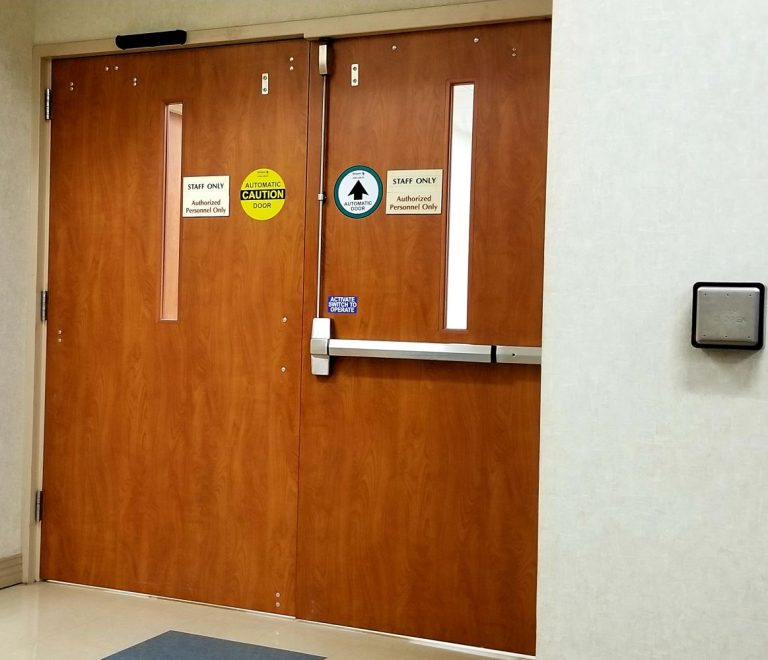
If you plan to change locks or door hardware on a business door, check fire

Mortise lock problems usually show up as a sticky key, a loose handle, a latch