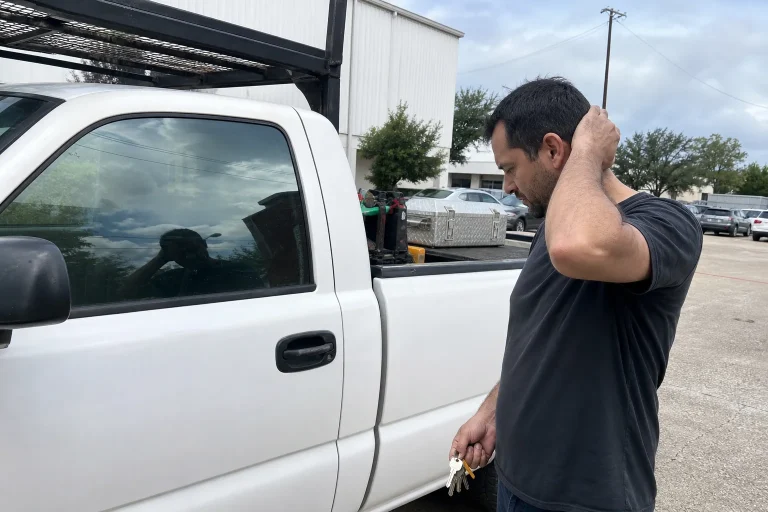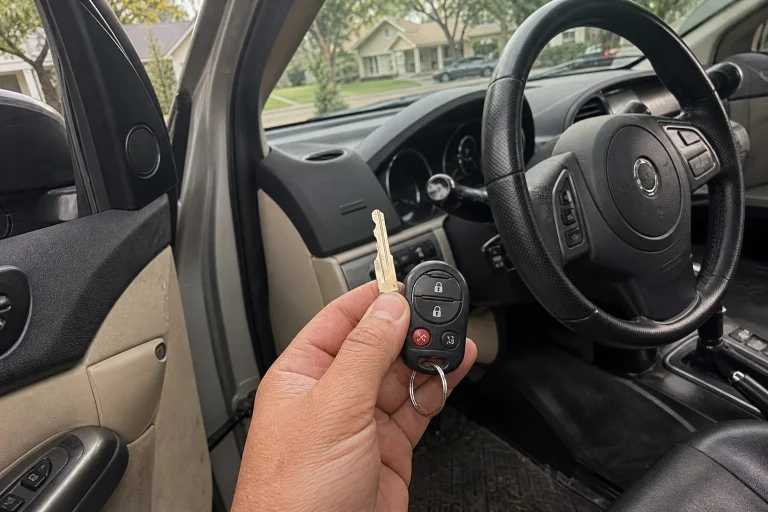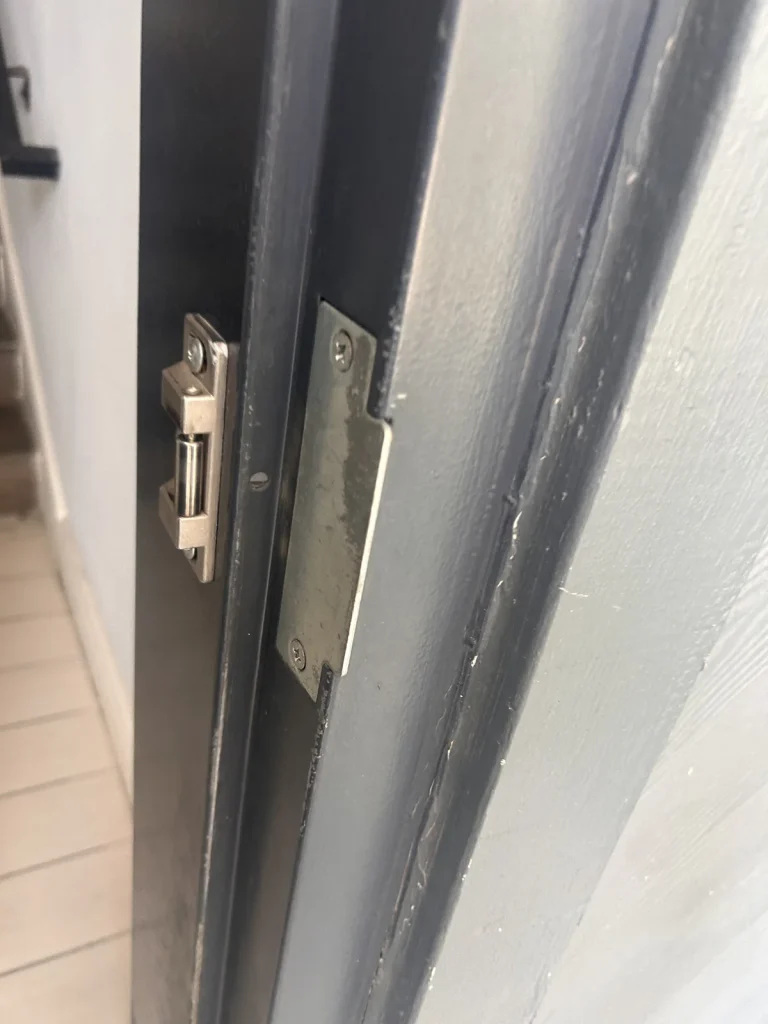
A key control policy for small teams is a short set of rules for who gets keys, where keys stay, when keys are returned, and who can copy them. Good rules cut lost keys, stop sneaky copies, and make lock problems easier to fix. Keep it simple, write it down, and make one person own the process. That is how you keep your ducks in a row.

Why small teams need key rules
Small teams often think, “We only have a few keys, we’re fine.” Then one key vanishes and the whole place feels like a goose chase. A simple key control policy keeps that from happening.
Keys seem small. The risk is not. One missing key can lead to lock changes, work delays, and worry about who still has access. If a former worker kept a copy, you may not know until there is a problem.
Small teams also share jobs. The owner opens in the morning. A manager closes at night. A helper grabs the back door key for a delivery. When many hands touch the same key, things get messy fast.
A written policy fixes that. It sets the ground rules so no one has to guess. For businesses that need help with Commercial lock rekeying, Commercial lock replacement, or broader Commercial locksmith support, clear rules make every next step easier.
What a key control policy should cover
Keep your policy short. One page is enough for many small shops, offices, and service crews.
Your policy should answer these questions:
- Who is allowed to hold each key
- Which doors each key opens
- Where spare keys are stored
- Who approves new copies
- What workers do if a key is lost
- When keys must be returned
- What happens when a worker leaves
That is it. Not fancy. Just useful.
A good policy also names one key manager. This can be the owner, office manager, or site lead. If everyone owns the task, nobody owns it. That old chestnut is true.
Start with a key list
Before you write rules, make a list of every key in use.
Include:
- Front door key
- Back door key
- Office keys
- Storage room keys
- File cabinet keys
- Mailbox keys
- Vehicle keys, if work trucks carry tools
- Padlock keys for gates or sheds
Next, mark who has each key. Put the key number on the list, not just “silver key with blue cap.” Keys all start to look like cousins at a family cookout.
A basic table helps:
| Key name | Key number | Opens what | Who has it | Copy allowed |
|---|---|---|---|---|
| Front door | FD-1 | Main entry | Owner, Manager | No |
| Back door | BD-2 | Rear entry | Manager | No |
| Storage room | SR-3 | Tool room | Lead tech | Only with approval |
| File cabinet | FC-4 | Records cabinet | Office admin | No |
Keep the list in a secure place. A locked drawer is fine. A shared sticky note on the break room fridge is not. If the business uses trucks, service vans, or outside storage, support from a Locksmith for trucks or help with Mailbox lock replacement may also belong in the same planning file.
Give out the fewest keys possible
Not every worker needs every key. That is where trouble often starts.
Use the “least access” rule. A person gets only the key needed for that job. No more.
A cleaner may need the back entry and supply closet. That person may not need the office key. A delivery driver may need a gate key, not the full building key ring.
This rule helps in three ways:
- Fewer keys get lost
- Fewer copies get made
- Fewer locks need work if a key goes missing
Master key systems can help small teams too, but only if they are planned well. A manager may carry one key that opens more doors, while staff hold single-door keys. That keeps control tight without making daily work a pain. Businesses that need tighter entry planning may also look at Commercial access control systems or Commercial keyless entry systems.
Stop bad copies before they start
Unauthorized key copies are a big weak spot. A worker may think, “I’ll just make a spare, no big deal.” That small move can snowball.
Set one clear rule. No copies without written approval from the key manager.
Then back it up with real steps:
- Mark keys “Do Not Copy” when it fits your setup
- Keep copy approval in writing
- Record when a copy is made, by whom, and why
- Collect old or extra keys right away
Keep in mind, a stamp alone does not stop every copy. Some key types can still be copied. Higher control key systems offer tighter copy limits. They use restricted keyways, which means copies are harder to get without proper approval.
If your team handles tools, stock, records, or client spaces, this can be a smart move. General background on lock systems can also be found at Wikipedia.
Key sign-out rules that actually work
Your sign-out process should be faster than grabbing coffee. If it is a chore, people skip it.
Use a log with these details:
- Key number
- Worker name
- Date and time out
- Date and time back
- Signature or initials
Paper logs work. A simple digital sheet can work too. Pick the system your team will use every single time.
For shared keys, set return times. A closing key should come back before the worker leaves or go into a locked drop box. Do not let keys wander home in a pocket and camp there all weekend.
What to do when a key is lost
This part matters most, because lost keys happen even in careful teams.
Your policy should say workers must report a lost key right away. Not tomorrow. Not after lunch. Right away.
Then check three things:
- What does the key open
- Was there any tag or info that links it to your business
- Who last had it and where it may have been lost
If the key opens only one low-risk door, you may choose to monitor and replace the key. If it opens the front door, gate, stock room, or office with records, you may need Commercial lock rekeying fast.
A quick response keeps a small issue from turning into a bigger mess. If urgent service is needed, an Emergency locksmith can help.
If this happens, do this
- If a key is missing for less than an hour, then retrace steps, check vehicles, desks, and the key log.
- If a worker cannot return a shared key by end of shift, then contact the key manager before leaving.
- If a key is lost off-site, then report where it was lost and what it opens right away.
- If a former worker still has a key, then collect it at once or rekey the lock.
- If a key breaks in a lock, then stop forcing it and call a locksmith.
- If you find extra copies no one approved, then collect them and review who made them.
- If a lock feels sticky after rain or high humidity, then inspect it and service it before it fails.
Houston weather can mess with locks too
Houston weather is tough on buildings and hardware. Heat can dry out some parts. Humidity can make locks sticky. Rain can affect outdoor padlocks, gates, and storage doors. Cold snaps are not common, but when they hit, stiff locks and brittle key use can lead to breakage.
That is why your policy should include lock care, not just key rules. A jammed lock can lead people to force keys, hide spare keys, or swap keys around. That is when order goes out the window.
We often see this in Houston, TX, at small offices near Westheimer, service shops with metal back doors, and mixed-use buildings around The Heights. Exterior locks take the worst beating. Gate padlocks and rear entry doors tend to show wear first. Weather guidance for business readiness is also available from Ready.gov.
Train new workers on day one
Do not hand over a key with a quick, “Don’t lose it.” That is not training, that is wishful thinking.
Show each worker:
- Which key they get
- What it opens
- Where it must stay during work
- When it must be returned
- What to do if it is lost
- That copies are not allowed without approval
Make the worker sign the policy. Keep that record.
This takes a few minutes. It saves many headaches later.
When someone leaves the team
This is where small teams often get burned. A worker leaves on decent terms, so the key return gets pushed aside. Then weeks later, nobody knows if all keys came back.
Have a clean exit step:
- Collect all keys before the last shift ends
- Check them against your key list
- Remove alarm codes or access rights if you use them
- Rekey any lock if a key is missing
No drama needed. Just a clear process.
Quick truth checks
Myth, “We are a small team, nobody would copy a key.”
Fact, small teams lose control faster because rules are often loose.
Myth, “Do Not Copy stamps stop all copies.”
Fact, some keys can still be copied unless you use tighter key systems.
Myth, “Only outside doors matter.”
Fact, inside rooms with tools, files, or stock matter too.
Myth, “If a key has no address tag, a lost key is harmless.”
Fact, a lost key still creates risk if someone knows where it came from.
A simple care schedule
Your key control policy should include lock and key care. This keeps daily use smooth and cuts surprise failures.
Weekly
- Check that shared keys are back in place
- Review the sign-out log for missing returns
- Look at outdoor locks for rust, dirt, or hard turning
Monthly
- Match your key list to the keys actually in use
- Test doors that stick or drag
- Check that spare keys are still secured
- Remind staff about the no-copy rule
Yearly
- Review who still needs each key
- Remove extra access that built up over time
- Replace worn keys
- Inspect locks with a locksmith if use is heavy
- Update the written policy if your team or space changed
Keep spares secure, not hidden
A lot of people hide spare keys in the usual spots. Under mats, above frames, in fake rocks, or taped under a desk. Cute in movies. Bad idea in real life.
Store spares in a locked cabinet, key box, or secure office drawer. Limit access to the key manager and one backup person. Record when a spare is used and when it returns.
If your business runs from multiple spots or trucks, do not let each person make their own secret spare plan. That is how keys multiply like rabbits.
Should a small team use restricted keys or rekeying plans?
Sometimes, yes.
A restricted key system can help if your business has:
- Frequent staff changes
- Tools or stock with theft risk
- Shared building access
- A manager who needs broad access, while staff need less
Rekeying should also be part of your policy. You may need it after a lost key, a staff exit with missing keys, or a move into a new space. Rekeying lets you change who can enter without replacing the whole lock in many cases.
For small teams, this is often the sweet spot. Tight control, less waste, fewer surprises.
Write the policy in plain language
Do not write a policy that sounds like it came from a dusty law book.
Use simple lines like these:
- Keys are issued by the office manager only.
- Staff may not copy keys without written approval.
- Lost keys must be reported right away.
- Shared keys must be returned by the end of each shift.
- All keys must be returned on the last day of work.
That is clear. No guessing. No fog.
FAQs
What is a key control policy for small teams?
It is a short written set of rules for issuing, tracking, returning, and copying keys. It helps small businesses cut lost keys and stop unwanted access.
Who should manage business keys?
Pick one main person, often the owner, office manager, or site lead. Choose one backup person too. Too many cooks spoil the broth.
How many spare keys should a small business keep?
Keep only the spares you truly need. Store them in one secure place and track their use. Extra loose copies often become the problem.
When should a business rekey locks?
Rekey after a key is lost, after a worker leaves without returning keys, or when you move into a new office or shop. It is also smart after a break-in or if key control has gotten sloppy.
Can employees legally copy work keys?
Your policy can ban copies without approval. Some keys are easier to copy than others. If copy control matters a lot, ask about tighter key systems.
How does Houston weather affect locks and keys?
Humidity and rain can make outdoor locks sticky or rusty. Heat can add wear to doors and hardware. A little service at the right time keeps locks turning the way they should.
What should we do if a key breaks in the lock?
Stop using force. Pulling and twisting harder can make it worse. Keep people from using that door if needed, then call a locksmith.
Are digital locks better than keys for small teams?
Sometimes, but not every door or budget needs them. Many small teams do well with good key rules and solid locks. The best setup depends on how many people need access and how often that changes.
If your small business in Houston needs help with key control, rekeying, lock changes, restricted key systems, or fixing worn locks, Scorpion Locksmith can help you tighten things up and cut risk without making daily work harder. Call (281) 623-1517 or visit https://scorpionlocksmithhouston.com/. You can also reach the team through Contact Us.