Keyless Entry, Access Control, and Intercom Systems
We help businesses assess commercial keyless entry, access control, and intercom system needs. The right setup depends on who needs entry, which doors need control, and how access will be managed.
A keypad may suit a single employee entrance. A property with several controlled doors may need individual credentials and a clear process for removing access.
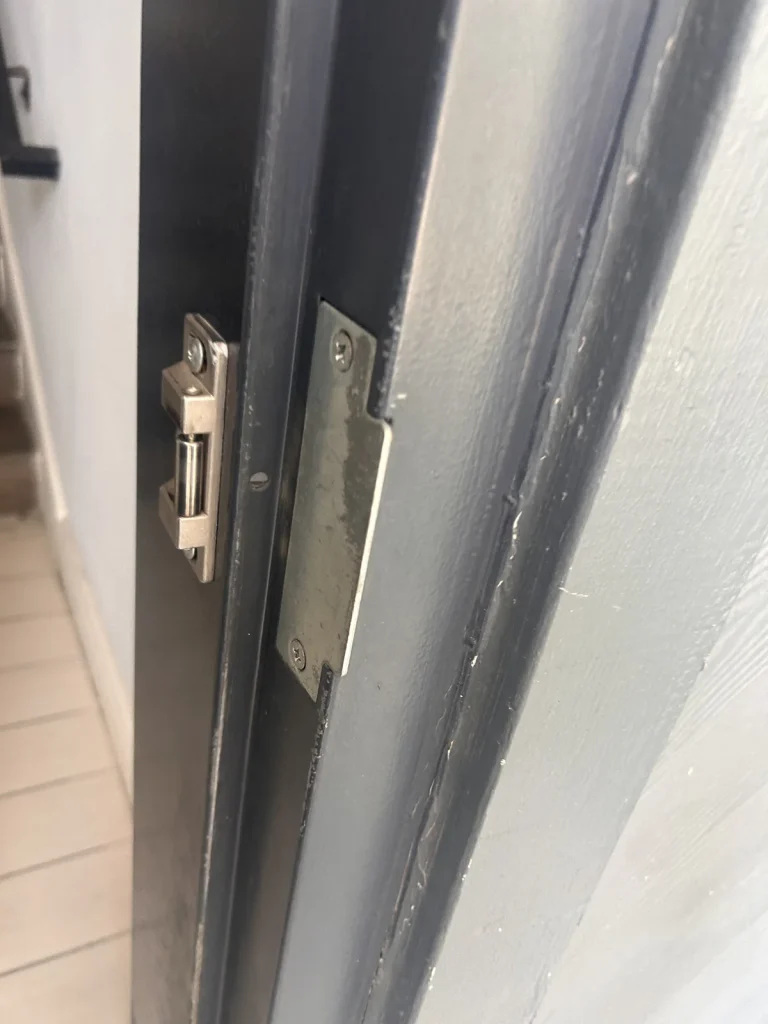
Intercom systems let occupants communicate with visitors before admitting them. Existing wiring, power, door hardware, and any connected release mechanism affect the service options.
Who will manage codes or credentials after installation? Decide that early, and avoid sharing a single permanent code with everyone. For an existing system, provide its brand, model, symptoms, and any recent power or door changes before the visit.
Push Bars, Panic Bars, and Exit Devices
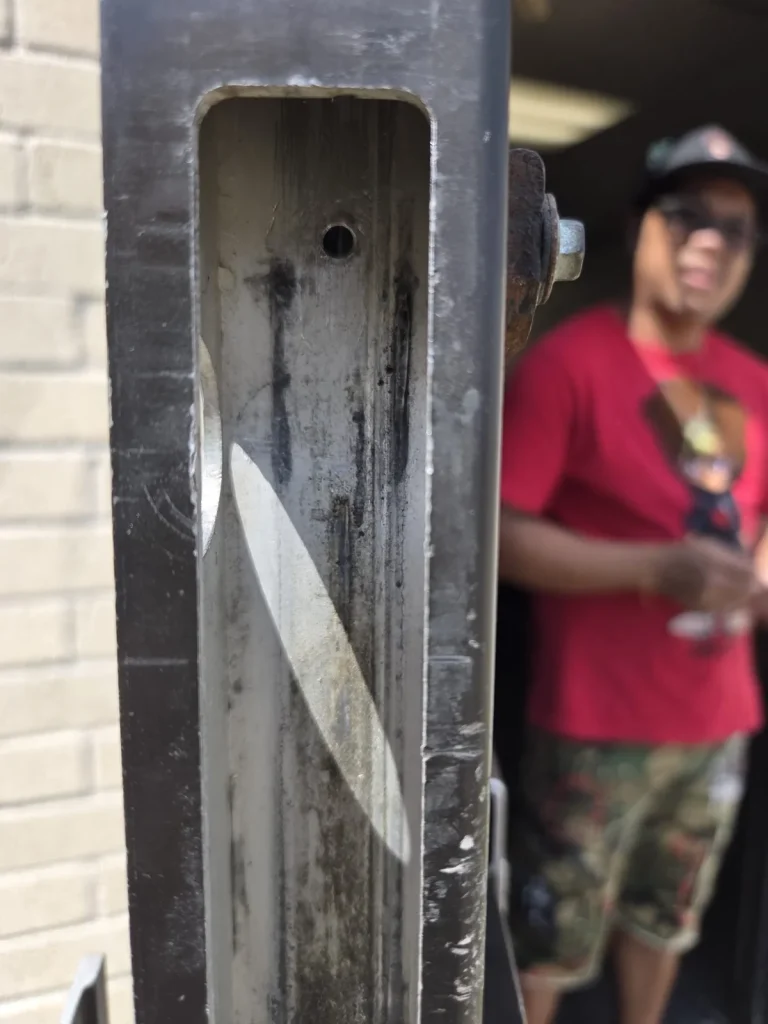
We provide push bar service and panic bar, crash bar, and exit device installation for suitable commercial doors. These devices must work with the door, frame, closer, and intended exit use.
A bar that sticks or a door that fails to latch deserves attention. Adding a second lock is not a substitute for correcting an exit hardware problem.
During a Review, Useful Checks Include
- Whether the bar releases the latch consistently.
- Whether the door closes without being pulled shut.
- Whether the latch engages the frame.
- Whether furniture or stored items obstruct the exit.
Do not chain an occupied building’s exit shut or modify panic hardware yourself. Share the door type, current device, and problem so we can discuss the appropriate service scope.
Safe Installation and Repair
We provide safe installation and repair services based on the safe type, condition, and installation requirements. Share the brand, approximate size, lock type, and symptoms when you call.
A safe with a weak keypad response needs a different assessment than a mechanical dial that no longer operates normally. If its door is open, leave it open until the locking problem has been addressed.
For installation, consider placement, access, and the surface supporting the safe. Follow the manufacturer’s mounting instructions rather than treating every wall or floor as suitable.
Avoid forcing a handle or repeatedly entering uncertain combinations. Safes are good at resisting guesswork, including guesswork from their owners. Keep proof of ownership ready and explain any previous repair attempts.