Repair Push Bars and Install Exit Devices
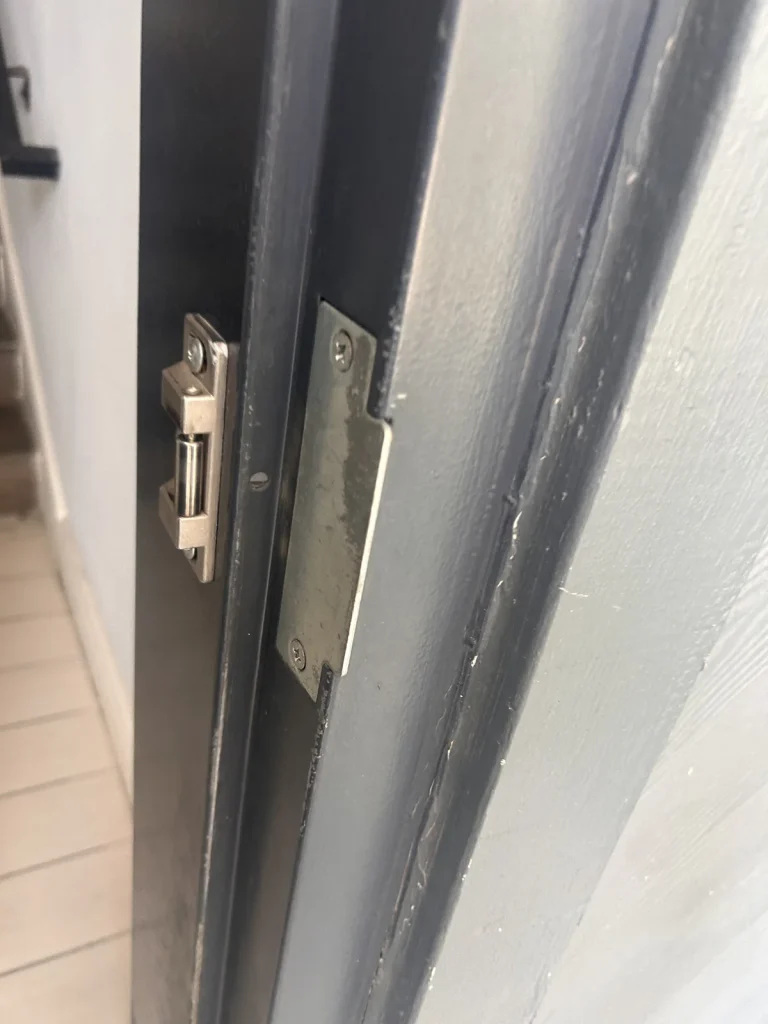
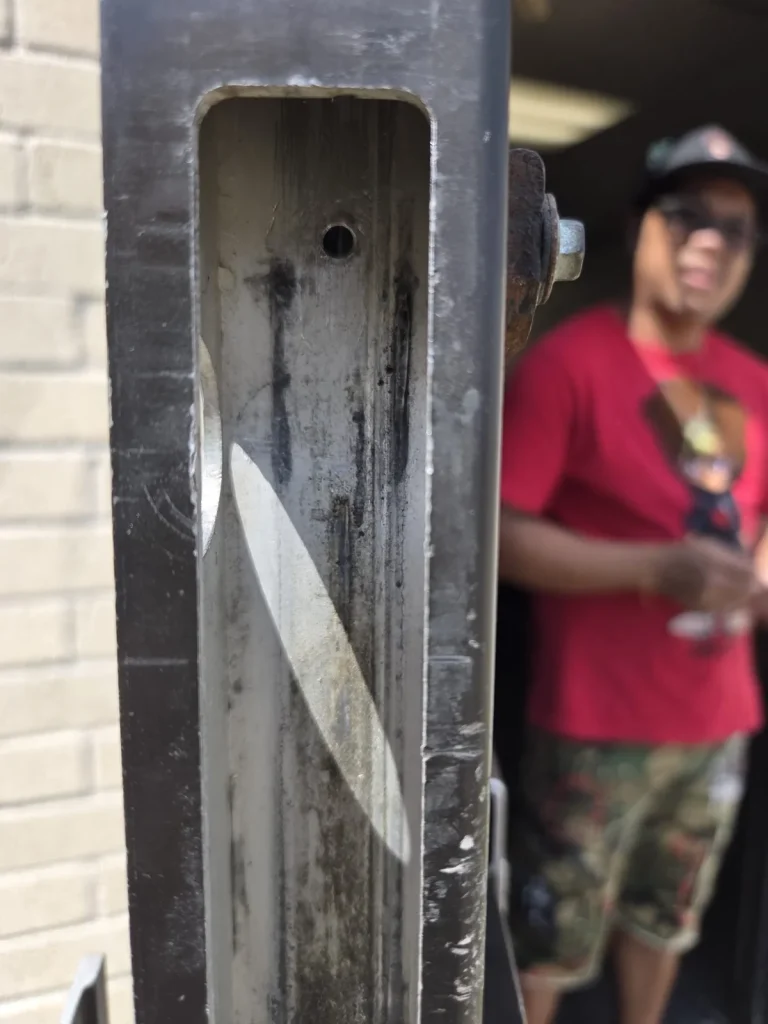
Push bars, panic bars, and crash bars allow occupants to release a door through pressure on the exit hardware. We handle push bar locksmith work, panic bar installation, crash bar installation, and exit device installation.
These names are often used for similar hardware, but the correct device depends on the opening and its requirements. Door size, door material, frame condition, and any applicable fire rating matter.
Report a bar that sticks, needs excessive force, or fails to let the door latch after closing. Do not chain, padlock, or otherwise obstruct an occupied building’s required exit.
We assess the door and hardware before recommending repair or installation. Property managers should also confirm applicable exit and inspection requirements with the relevant authority.
Install and Repair Safes
Safe installation and repair help property owners use secure storage that fits their space and access needs. Scorpion Locksmith can discuss safe service after reviewing the unit, its condition, and the requested work.
For installation, placement matters. Floor support, anchoring options, door clearance, and access to the location all affect the plan.
For repair, explain whether the problem involves a key, keypad, handle, or locking mechanism. Provide the brand and model if you can locate them without moving the safe or exposing sensitive information.
Avoid forcing a handle or repeatedly entering uncertain codes. Some electronic locks temporarily block further attempts, which can make diagnosis take longer.
We may need proof that you own the safe or have permission to authorize service.
What Happens During a Locksmith Visit
A locksmith visit starts with confirming authorization and assessing the affected lock, key, or door. We then explain the proposed work before proceeding.
The Usual Process Includes
- Confirm the request. We review the problem and the property or vehicle involved.
- Verify access permission. Have suitable identification or ownership documentation ready.
- Inspect the hardware. We check relevant wear, alignment, damage, and operation.
- Explain the approach. We discuss repair, rekeying, replacement, or programming where appropriate.
- Complete the agreed work. The method depends on the equipment and its condition.
- Test operation. We check the serviced lock or key and explain its use.
Ask questions if anything is unclear. You should understand whether we changed the hardware, changed the key combination, or corrected an operating problem.