If your ignition won’t turn, don’t force the key. First, take pressure off the steering wheel lock, confirm the car is in Park or Neutral when applicable, and try a spare key. If the key still binds or the trouble keeps coming back, the key or parts inside the ignition may need inspection.
Start with the checks that can free a stuck ignition
A stuck ignition can leave you stranded in a Houston parking lot, office garage, or driveway. Begin with the simple checks below before treating the ignition as a failed part. These steps use normal controls and do not require tools.
- Set the parking brake. Keep the car from rolling while you check the shifter or steering wheel.
- Check the steering wheel. With the key inserted, gently move the wheel left and right. Hold light pressure in the direction where the wheel moves a little, then gently try turning the key. Kelley Blue Book notes that a steering column lock can engage after the vehicle is off and the wheel is turned. Its steering wheel lock instructions describe relieving that wheel tension while turning the key.
- Confirm the shifter position. Put an automatic transmission firmly in Park. If it still won’t turn, try Neutral with your foot on the brake. A manual vehicle should have the clutch pressed fully.
- Look at the key. Remove it and check for dirt, a bend, worn edges, or cracks. Don’t insert a damaged key again if it looks close to breaking.
- Try a spare key. Use a known working spare if you have one. Do not keep twisting the daily key after it resists.
Use a gentle touch during every step. A key that turns only when pushed, pulled, jiggled, or held at a certain angle needs attention even if it starts the car today.
What a spare key can tell you
The spare-key check is often the clearest way to separate a worn key from a possible ignition problem. It is not a full diagnosis, but it gives you a useful next step.
| What happens | What it may suggest | What to do next |
|---|---|---|
| The spare turns and the daily key does not | The daily key may be worn, bent, dirty, or damaged | Stop using the troublesome key and arrange a properly made replacement |
| Both keys bind or will not turn | The ignition lock cylinder or another related part may be involved | Arrange an inspection rather than forcing either key |
| Both keys work after steering wheel relief | Steering wheel lock tension was likely holding the key | Watch for repeat trouble and avoid forcing the wheel against its stop when parked |
| The key turns but the car will not start | The concern may be beyond the mechanical key-turn step | Note any dash messages and seek vehicle-specific service |
Keys wear slowly. Their ridges can become rounded after years of use, even when the key still looks normal. Cars.com explains ignition lock cylinders by noting that worn keys can harm the small parts inside the cylinder, called wafers or pins. Those parts must line up correctly before the key can rotate.
Don’t ask for a copy made from a badly worn key if you can avoid it. Cars.com says a fresh master key from a dealer or locksmith may be more useful than copying a worn key. The right choice depends on the vehicle and the condition of the existing key.

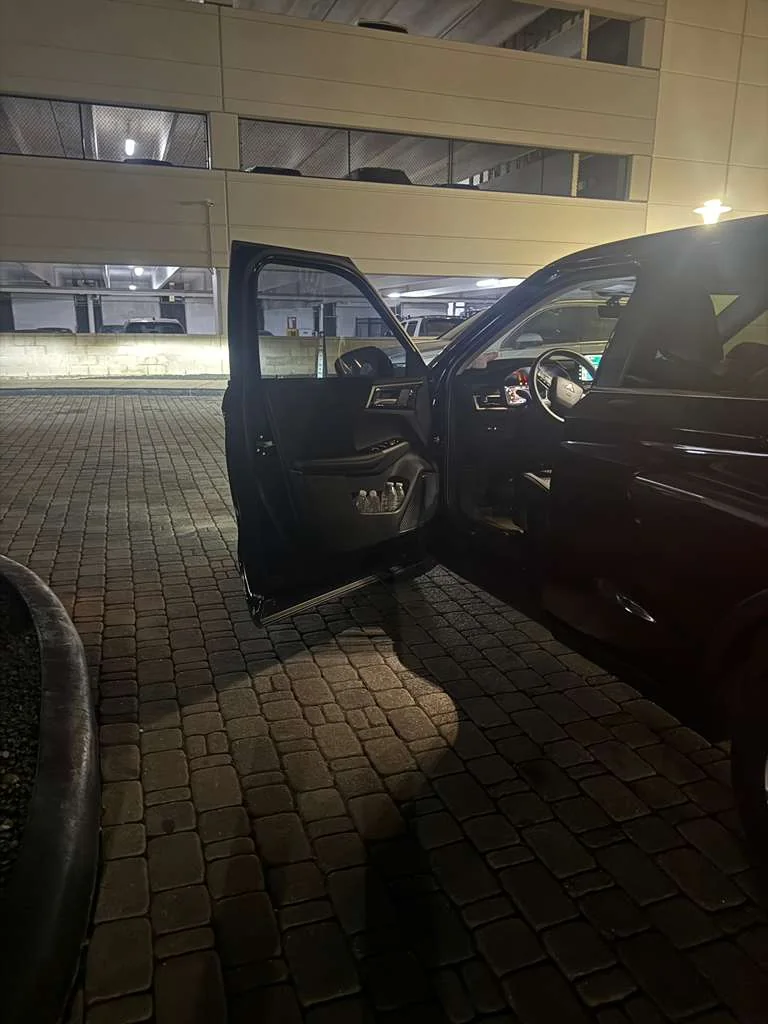
Signs the ignition lock cylinder may be the problem
The ignition lock cylinder is the part the key enters and turns. Inside are small moving pieces that recognize the cuts on the key. Wear, damage, or debris can keep those pieces from lining up. RepairPal lists the key and ignition lock cylinder among the related areas to consider when a key will not turn.
A cylinder issue may be more likely when you notice any of these patterns.
- Both the regular key and spare key resist turning
- The key goes in but will not rotate at all
- The key must be wiggled or held in a certain position to work
- The key sticks in the ignition after the vehicle is off
- The trouble returns after you have checked Park, Neutral, and steering wheel pressure
- The key turns less smoothly over time
These signs do not identify the exact failed part. Some vehicles have related shifter or ignition controls that can affect whether the key turns. Vehicle year, make, model, key type, and dashboard warnings all matter. A hands-on check is needed before deciding whether repair or replacement fits the problem.
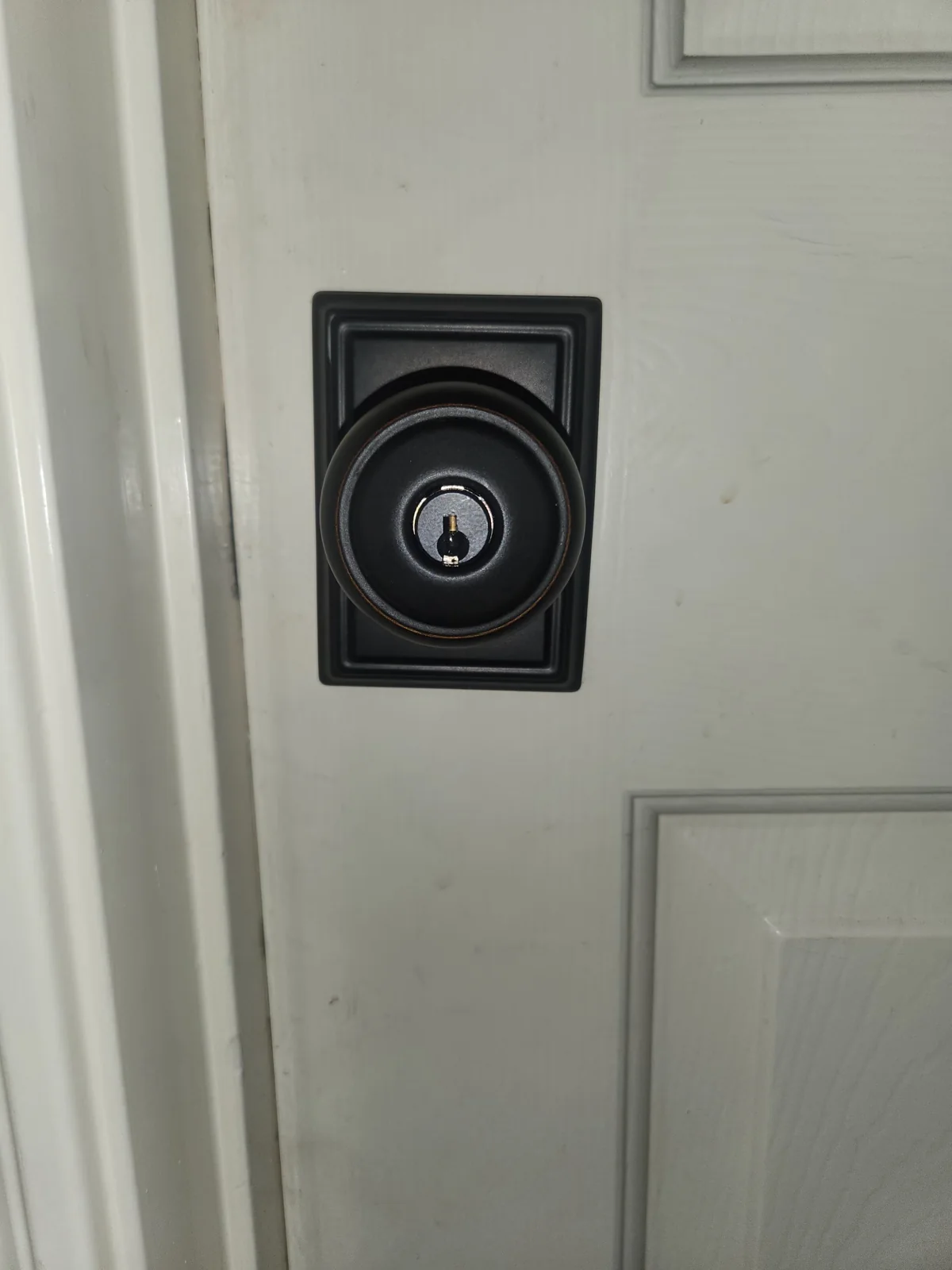
Don’t make a stuck key problem worse
Pressure can turn a manageable lock or key concern into a broken key or damaged ignition. Avoid these moves while you decide what to do.
- Don’t twist the key hard with pliers or other tools.
- Don’t hit the key, ignition, steering column, or shifter.
- Don’t spray random household oils or cleaners into the key slot.
- Don’t keep cycling a key that is bent, cracked, or partly broken.
- Don’t remove steering column panels unless you know the vehicle procedure and safety steps.
If the key breaks while it is in the ignition, stop. Trying to pull out a broken piece with improvised tools can push it farther in or damage the cylinder. If the vehicle is in an unsafe location, move yourself away from traffic when you can do so safely. Call 911 first if there is fire, smoke, or a trapped person.
When to call for ignition repair in Houston
Call for service when the gentle steering wheel and shifter checks do not work, a spare key also fails, the key is stuck, or the key looks likely to break. Have a few details ready before you call.
- Your vehicle year, make, and model
- Whether the key inserts, turns partway, or will not move
- Whether a spare key behaves differently
- Where the vehicle is parked and whether it is safe to access
- Any relevant dash message you can see
Those details help a technician understand the situation on arrival. Scorpion Locksmith offers Houston mobile help for keys that will not turn or are stuck, along with ignition work and key programming. See its ignition repair and replacement service page for the available service details.
FAQs about a car ignition that will not turn
Can a weak car battery stop the key from turning?
A weak battery may cause starting or dash-light issues, but it does not usually create the physical resistance of a key that cannot rotate in the cylinder. If the key turns normally but the car will not start, record what happens when you turn it and have the vehicle checked.
Why does my key turn only after I wiggle it?
Wiggling can temporarily line up a worn key with worn parts inside the ignition. It can also seem to help when steering wheel pressure is present. Since repeated wiggling raises the risk of a key breaking, treat it as a warning sign instead of a lasting fix.
Can I drive if the ignition starts working again?
You may be able to move the car if it starts and all normal controls work, but an ignition that has bound once may bind again when you park. Plan key or ignition service before relying on the vehicle for a time-sensitive trip.
For a key that will not turn, is stuck, or keeps binding, contact Scorpion Locksmith for mobile ignition service in Houston at (281) 623-1517. Share your vehicle details and what the key is doing so the next step can be planned for your situation.