
Automotive Locksmith
Lost Only Car Key? What to Do Before You Order a Replacement
Lost your last car key? Gather your vehicle details, ID, ownership papers, and exact location before you request a replacement.
License Number: B09416401
Car Ignition repair & replacement In Houston by Scorpion Locksmith. 24 7 techs, 30 min ETA, OEM parts, key programming, upfront prices, 1 yr warranty, call now
Car Ignition repair & replacement in Houston addresses worn ignition cylinders, stuck keys, and related ignition problems that prevent normal vehicle use. Scorpion Locksmith helps drivers in Houston, TX identify the trouble, understand suitable ignition repair options, and arrange service based on their vehicle and its symptoms.
A key that refuses to turn can stop your day before you leave the driveway. A key that turns without starting the engine can be just as frustrating, but those symptoms may have different causes.
We focus on identifying what is wrong before recommending ignition work. Call (281) 623-1517 or visit our homepage to discuss your vehicle and arrange the next step.
Car ignition service covers problems with the components that accept your key and authorize or activate starting. The correct work depends on whether the fault is mechanical, electrical, or connected to key recognition.
In a keyed vehicle, the ignition lock cylinder contains small components that match the cuts on your key. Turning the correct key allows the cylinder to rotate and operate related controls.
The electrical ignition switch handles a different job. It controls power to vehicle circuits, and its location and connection to the cylinder vary by model.
Push-button vehicles use a different setup. A weak fob battery, damaged start button, steering lock fault, or immobilizer issue can produce similar symptoms without involving a traditional ignition cylinder. These keyless systems require separate consideration.

Repeated trouble turning or removing your key often signals wear in the key, ignition cylinder, or connected mechanism. Occasional sticking deserves attention before it becomes a complete lockup.
Have you developed a special wiggle just to get the engine running? Your ignition should not require a secret handshake.
A vehicle that will not start may have a battery, starter, charging, fuel, or other electrical problem rather than a bad ignition. Replacing the lock cylinder will not correct an unrelated fault.
Pay attention to what happens during your attempt. Does the key refuse to move, or does it turn normally while the engine remains silent?
Tell us what you see and hear rather than guessing at the broken component. That description helps us discuss whether automotive locksmith service fits the problem.
Mechanical ignition trouble often develops through repeated use, key wear, contamination, or physical damage. Sometimes the problem follows a broken key or an attempted vehicle theft.
A worn key may still operate a door lock while struggling in the ignition. The locks can wear differently, so a working door key does not rule out key damage or a need for key replacement.
Heavy key rings can add strain to some ignition assemblies. Bent keys and repeated force can also damage internal components.
Dust or debris may interfere with movement, but spraying random products into the keyway can make diagnosis harder. Avoid household oil, glue, and improvised cleaning methods.
If your ignition was damaged during a theft attempt, mention that when calling. Damage may extend beyond the cylinder into the housing, wiring, or steering column.
Light steering wheel pressure or an incorrect shifter position can prevent a healthy ignition from turning. A brief, careful check may help, provided the key and cylinder show no visible damage.
Use this sequence while the vehicle is safely parked.
Do not twist harder if these checks fail. Discuss the symptoms with a car locksmith rather than forcing the key.
Follow the vehicle owner’s manual for model-specific instructions, especially for electronic steering locks and emergency starting procedures.
Force can turn a repairable ignition problem into a broken key or damaged housing. Stop if the blade bends, the cylinder grinds, or turning requires more than gentle pressure.
Pliers are not a useful upgrade for your car key. Extra grip can snap the blade and leave a fragment inside the lock.
Avoid inserting wires, screwdrivers, or extraction tools into the keyway. They can push a fragment farther inside or damage the small internal components, making broken-key removal harder.
Smoke, sparks, a burning smell, or hot wiring require a different response. Stop using the vehicle and move away if conditions are unsafe. Contact emergency services for an active fire.
If the engine stalls while driving, focus on reaching a safe stopping place. Arrange roadside help or towing rather than continuing to test the ignition in traffic.
Car Ignition repair & replacement in Houston starts with identifying the vehicle and checking which ignition functions have stopped working. We use your description to discuss suitable vehicle locksmith service and what needs inspection.
If ownership documents are locked inside, tell us during the call. We can discuss what information you should have ready before service proceeds.
Ignition repair may be suitable when a specific mechanical fault can be corrected without replacing the entire assembly. The condition of the cylinder, housing, and key determines whether that approach is practical.
A damaged key may need replacement even if the ignition remains usable. In other cases, internal cylinder wear or a broken component may require lock work.
Repair should restore normal operation without relying on extra force or repeated key movement. If the assembly has extensive damage, correcting a single symptom may not address the underlying problem.
We explain what the inspection shows before recommending a direction. The goal is to address the fault, not replace unrelated components simply because the vehicle will not start.
Ignition replacement is appropriate when damage or wear makes the existing component unsuitable for continued use. Some vehicles need a lock cylinder, while others may require additional connected components.
The mechanical cylinder and electrical switch are not always replaced together. Each should be assessed according to the symptoms and the vehicle’s construction.
Access also varies. Steering column trim, security fasteners, and nearby airbag wiring can make removal more involved than it appears from the driver’s seat.
A replacement cylinder may use a different mechanical key unless it can be matched to the existing key. Ask whether retaining the current key arrangement is possible for your vehicle.
For Car Ignition repair & replacement, correct fit and proper testing matter more than assumptions based on appearance. Similar-looking components can have different internal or electronic requirements.
A broken ignition key may be removable without replacing the cylinder, but that depends on the fragment and lock condition. Damage that caused the break still needs attention afterward.
Leave the remaining fragment alone if it is lodged inside. Trying to push another key behind it can make removal harder.
Keep both pieces of the broken key if you have them. They may help with identification, although a badly worn blade should not simply be copied without checking its condition.
After extraction, the ignition should be checked for binding or internal damage. Removing the fragment solves the obstruction, but not necessarily the reason the key snapped.
Tell us whether the key broke during normal turning or after substantial force. That detail can help guide the inspection.
Key cutting creates the blade shape, while programming allows a compatible electronic key to communicate with the vehicle. Some ignition jobs involve both, but not every cylinder replacement requires programming.
A transponder key can turn the ignition yet fail to authorize engine starting. That is why a newly cut blade alone may not resolve a security-related no-start condition.
For push-button systems, the fob, backup recognition method, start button, and vehicle electronics require separate consideration. Follow your owner’s manual if it describes an emergency method for a weak fob battery.
Can your current keys remain in use? The answer depends on the replacement components, key condition, and vehicle security system.
Have every available key and fob ready for the appointment. Confirm model-specific cutting and programming options when you contact Scorpion Locksmith.
The time needed for ignition work depends on the vehicle, the fault, and access to compatible components. A stuck key and a damaged steering column are not equivalent jobs.
Ask about current scheduling and an arrival estimate when calling. We can discuss timing more usefully after learning where the vehicle is and what happened.
Your exact location helps us discuss safe access to the vehicle in Houston, Texas. A home driveway, office garage, and highway shoulder each present different concerns when arranging urgent locksmith help.
For a parking garage, provide the facility name, floor number, space number, and entry instructions. Mention clearance limits or access gates before an appointment is arranged.
For an apartment or workplace lot, share the building number and a useful nearby entrance. A street address alone may point to the opposite side of a large property.
If you are beside a busy road, prioritize personal safety over testing the key. Move away from traffic when safe and contact roadside assistance if the vehicle needs relocation.
Houston heat also makes a disabled vehicle uncomfortable quickly. Do not remain in a hot cabin or leave children or pets inside while arranging help.
Having the vehicle information, keys, and access details ready helps reduce avoidable interruptions. You do not need to remove steering column covers or attempt a repair first.
If the fault happens only sometimes, record the symptoms while safely parked. A short description of the warning lights and key movement can be useful.
Gentle key use and prompt attention to sticking can reduce unnecessary wear after ignition service. The key should operate without bending, pulling sideways, or repeated force.
Keep the ignition key ring light and replace visibly damaged blades. Store a usable spare where you can access it without depending on the disabled vehicle.
Do not add lubricant unless it is suitable for that ignition and recommended for the specific issue. More spray is not always more help.
Watch for renewed resistance, unusual looseness, key removal trouble, or security warnings. Report those symptoms rather than waiting for the ignition to stop working completely.
If starting trouble continues even though the key turns normally, further vehicle diagnosis may be needed. Mechanical lock work cannot correct every electrical or engine fault.
Scorpion Locksmith helps Houston drivers determine the next step for stuck keys, damaged ignition cylinders, and related starting concerns. Give us the vehicle details and symptoms so we can discuss appropriate service.
For Car Ignition repair & replacement in Houston, start with a clear description of what the key and vehicle are doing. Tell us whether you are safely parked and whether you have a spare key available.
Call (281) 623-1517 or use our contact page to contact Scorpion Locksmith. We will help you move from guesswork to a practical service plan.
Car ignition repair involves fixing issues that prevent your car from starting or turning off properly.
Consider ignition replacement if your key no longer turns, gets stuck, or the car refuses to start consistently.
Yes, Scorpion Locksmith can come to your location to repair or replace your car’s ignition.
Most car ignition repairs or replacements can be completed within a few hours, depending on the situation.
Difficulty turning the key, car not starting, or a key that is stuck in the ignition are common signs.
Professional locksmiths like Scorpion Locksmith use techniques to minimize any risk of damage to your vehicle.
Sometimes a new key is needed, but in many cases, your original key can be matched to the new ignition.
Yes, Scorpion Locksmith can help repair the ignition and provide a new key if yours is lost.
Scorpion Locksmith services most car makes and models for ignition repair and replacement.
You can contact Scorpion Locksmith by phone or online to set up an appointment for service.
Lost your last car key? Gather your vehicle details, ID, ownership papers, and exact location before you request a replacement.
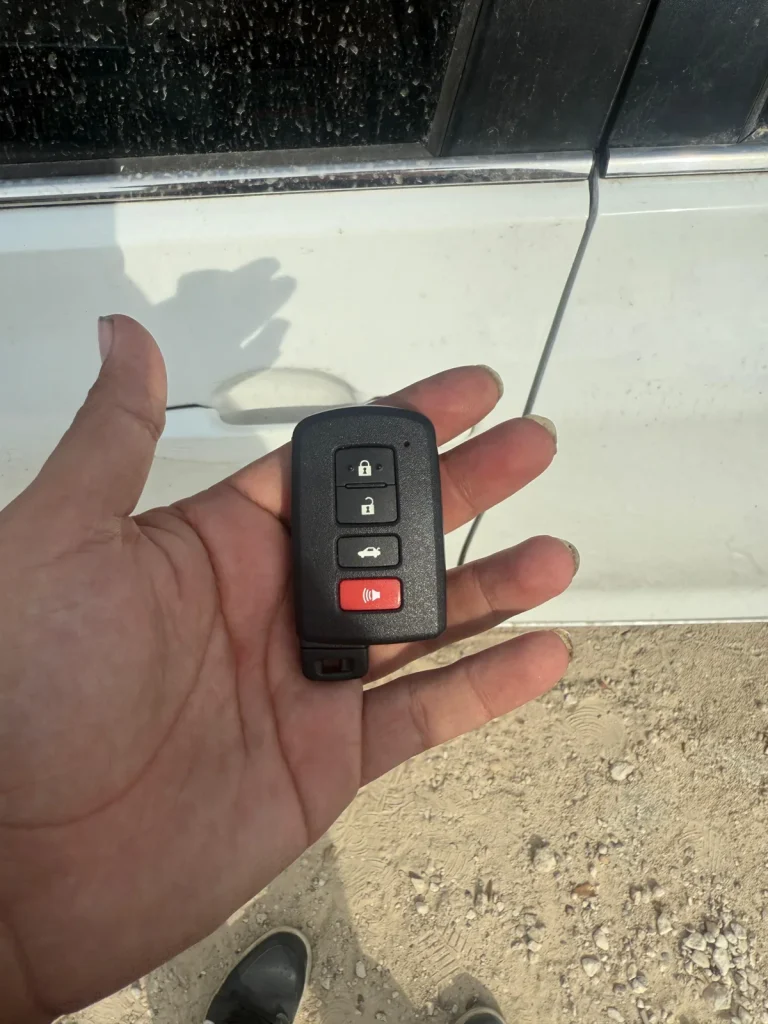
A car key fob stopped working can point to a weak battery, damage, lost pairing, or a problem with the car. Start with a few safe checks before arranging programming or replacement.

A key control policy for small teams is a short set of rules for who