

Locksmith Tips
Kids or Pets Locked in, Who to Call First and Why
If kids locked in car or a pet locked in car happens, call 911 first
License Number: B09416401
Commercial Lock rekeying In Houston by Scorpion Locksmith for offices stores and warehouses 24 7 same day service master key setups upfront pricing call now
Commercial lock rekeying in Houston changes a lock’s internal key configuration so old keys no longer operate it. Scorpion Locksmith helps Houston, TX businesses reset access, check compatible cylinders, and plan key distribution while keeping usable lock hardware in place. It is a practical option after staffing changes, lost keys, or tenant turnover.
Rekeying changes which key operates a lock without necessarily replacing the entire lock assembly. On a compatible pin tumbler cylinder, a locksmith changes the internal pins to match a different key.
The lock body, handle, and other usable hardware can often stay in place. Once the cylinder is correctly rekeyed and tested, the previous operating key should no longer work in that cylinder.
That distinction matters for businesses with several entrances and many key holders. You may not need new hardware just because your key records have become uncertain.
Who still has a key to your building? If the honest answer is “we are not sure,” a rekeying plan can help you establish a clear starting point. Keys do not turn themselves in when someone leaves a job.
A change in who should enter your property is a good reason to review its keyed locks. Rekeying can remove access associated with old keys while allowing you to issue a controlled set of replacements.

Not every staffing change requires work on every door. The right scope depends on which keys were issued and which locks those keys operate.
A returned key does not prove that no copies exist.
For sensitive spaces, base your decision on access risk rather than the number of keys returned.
Rekeying is useful when the lock functions properly but its current key access is no longer acceptable. It does not correct every mechanical or security problem.
A damaged cylinder, loose lock body, or badly worn mechanism may need repair or replacement. A door that sags or fails to latch also needs attention beyond a new key configuration.
Scorpion Locksmith checks the hardware before recommending the next step. The goal is to separate a key control issue from a lock or door problem.
New keys cannot make a damaged lock healthy again.
A complete access review identifies every keyed opening connected to the affected key. Changing only the front entrance can leave another route accessible with an old key.
Start with exterior doors, then review interior rooms and shared access points. Include doors that staff use infrequently, since those are easy to overlook during a busy workday.
Does the missing key also open the back office or storage room? That connection can change the scope of the job.
Shared building doors require coordination with property management. A tenant should not assume permission to alter a common entrance or a cylinder connected to a building-wide key system.
Our commercial rekeying process begins with confirming authorized access and inspecting the locks involved. We then review the requested key arrangement before changing compatible cylinders.
Clear instructions help prevent confusion, especially when several managers or tenants use the property. Identify one authorized contact who can approve the door list and explain any restricted areas.
Tell us about sticking locks or doors that need a push to latch. Those details help us distinguish existing problems from the rekeying work.
Keying compatible locks alike lets one operating key open several approved doors. This can reduce key-ring clutter for owners, managers, and staff who need the same access.
Not every lock can accept the same key. Cylinder construction, keyway, brand compatibility, and existing hardware all affect what is possible.
For commercial lock rekeying in Houston, we review these details before suggesting a shared-key arrangement. Keeping sound hardware is useful, but compatibility should guide the plan.
A small office might use one key for its entrance and general supply room. A stockroom containing controlled inventory may need a separate key.
The simplest arrangement is not always the best access arrangement. Ask which doors each person truly needs to open, then group locks around those needs rather than convenience alone.
A master key arrangement can give different users access to selected doors while allowing an authorized manager to open a broader group. It requires compatible hardware and a planned cylinder setup.
A business may want individual office keys, a separate storage key, and a management key covering both areas. That arrangement should be discussed before cylinders are rekeyed.
A lost master key can affect more doors than a lost room key. Keep broad-access keys limited and record who receives them.
Tell Scorpion Locksmith if your property already uses a master key system. Existing records or coordination with the property manager may be needed before changes proceed.
The best key arrangement follows how people use the property each day. A retail shop, professional office, and warehouse may have very different access needs.
In an office, staff may need entry access without access to personnel files or private rooms. Separate interior keys can support that boundary.
In a store, opening managers may need the front entrance and stockroom, while other employees only need access during business hours. Rekeying can support that division without making every lock operate on one key.
Warehouse access often involves delivery personnel, shift supervisors, and storage areas. Identify which doors use mechanical cylinders and which rely on other systems.
Across Houston, Texas, mixed-use properties may also combine tenant doors with shared corridors. Review those shared routes with building management before approving lock changes.
A new commercial tenancy is a practical point to establish a fresh key arrangement. Previous tenants, employees, vendors, or service crews may still hold copies of old keys.
Before changing locks, confirm which doors belong to your unit and what approval the lease or property manager requires. Common entrances and shared rooms may follow a separate access plan.
Moving day already comes with enough boxes. An organized key handover gives your team one less mystery to sort through during the first week.
The time needed for commercial rekeying depends on the number, type, and condition of the cylinders. Door access and the requested key arrangement also affect the schedule.
A group of matching cylinders is different from a property with several lock brands and an existing master key system. Worn parts or missing operating keys can require extra work.
Let us know about operating restrictions before the visit. Customer traffic, deliveries, occupied offices, and shift changes can affect the order in which doors are addressed.
Call to discuss current availability and your preferred timing. We can review the job details rather than assume every property needs the same appointment length.
A missing business key should trigger a review of what it opens and how easily it could be linked to your property. A labeled key ring deserves prompt attention.
Start by identifying the affected doors and notifying the person responsible for building access. If theft or a break-in is suspected, follow your incident procedures and contact authorities when appropriate.
Do not block exits or improvise barriers that interfere with safe departure. Rekeying also does not cancel an alarm code, access card, or remote, so review those separately if they were lost.
Rekeying affects the mechanical cylinder being serviced, not every method of entering the building. Electronic credentials, keypad codes, and alarm permissions require their own review.
Some commercial doors use an electronic lock with a mechanical backup cylinder. Changing that cylinder may address an old physical key, but it does not automatically remove a user from the electronic system.
Likewise, a keyed cylinder on an exit device is only part of the door hardware. The door must still allow proper exit operation after any work.
This information helps define the work accurately. It also prevents a physical key change from being mistaken for a complete reset of building access.
Having access information ready helps us work through the approved doors efficiently. You do not need to remove locks or take cylinders apart before we arrive.
Gather existing keys, identify the authorized contact, and prepare a simple door list. If several keys look alike, label them by door rather than guessing during the visit.
Avoid sending sensitive key records through group messages. Share only the information needed with the person coordinating service, and keep detailed access records under management control.
Testing checks that the approved keys operate the intended cylinders and that each serviced lock works properly. It should also confirm that previous operating keys no longer work where access was removed.
We check cylinder operation and review how the lock behaves with the door closed. Binding against the frame can reveal a door alignment issue that is not obvious with the door open.
Report a key that sticks or needs force. Do not keep twisting it harder, since that can damage the key or cylinder and make the underlying problem worse.
A rekeying job creates a useful reset only if new keys remain under reasonable control. A simple issue-and-return record helps keep that control visible.
Record the recipient, issue date, approved doors, and return date. Store the record where authorized management can reach it without exposing building access details unnecessarily.
Standard keys may still be copied. If duplication control is a concern, ask whether a compatible restricted key option is appropriate and available.
For ongoing care, report loose hardware, rough operation, or poor latching early. Use only lubricant appropriate for the lock manufacturer’s guidance.
Scorpion Locksmith helps businesses arrange commercial lock rekeying in Houston around their doors, users, and access needs. We start with the existing hardware and explain whether rekeying fits the situation.
When you contact us, share your Houston, TX property location, approximate door count, and reason for the change. Mention missing keys, tenant turnover, master keys, or locks that are not working correctly.
Need to separate staff access from management access? Tell us which rooms should stay restricted so the key plan reflects how your business operates.
Call (281) 623-1517 or visit our contact page to discuss your commercial locks and arrange service. Have your door list ready, and we can help you identify the next practical step.
Commercial lock rekeying changes the internal parts of your locks so old keys will no longer work, and new keys are needed.
Rekeying is a quick way to increase security, especially after staff changes, lost keys, or security concerns.
If you've had employee turnover, misplaced keys, or want to limit access, rekeying is a good option.
Yes, Scorpion Locksmith can rekey most commercial lock types.
No, rekeying keeps your existing locks but changes the keys that operate them.
Most rekeying jobs are completed quickly, often within a single visit.
Usually, you’ll just need to have access to the property and existing locks.
Yes, rekeying is typically less expensive than installing entirely new locks.
No, old keys will not work once locks are rekeyed.
You can contact Scorpion Locksmith by phone or through their website to set up an appointment.
If kids locked in car or a pet locked in car happens, call 911 first
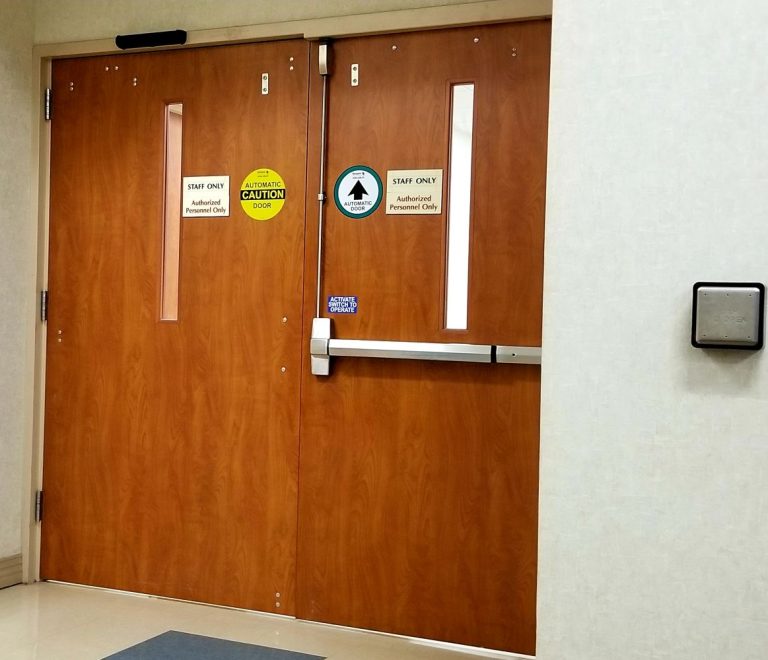
If you plan to change locks or door hardware on a business door, check fire

Mortise lock problems usually show up as a sticky key, a loose handle, a latch