Common area door locks should match how people really move through your building, fast hands in the lobby, heavy use at stairwells, and fire rules on exit doors. The best setup uses the right lock type, the right door closer, and clear access rules, so tenants get in smoothly and strangers do not. Pick hardware that can take daily wear, works in Houston heat and humidity, and can be serviced without drama. For help planning or servicing shared-door hardware, use Commercial locksmith support from Scorpion Locksmith, or Contact Us.

Why common area doors fail first
Common area doors work harder than any other door. A unit door might open a few times a day. A lobby door can swing hundreds of times. That traffic brings problems.
Here is what beats doors up:
- People push when the sign says pull.
- Movers kick door stops like they are soccer balls.
- Wind and pressure changes slam doors shut.
- Folks “tailgate” right behind a resident and slip in.
A door is like a truck. If you use it all day, it needs tougher parts and regular checkups.
Start with the job of each shared door
Not every door needs the same lock. Treat each door like a different player on the team.
Lobby and main entry doors
The lobby door is your handshake. It should feel easy for residents and tough for random walk-ins.
Good goals for a lobby door:
- Controlled entry from outside
- Easy exit for safety
- Smooth closing so it actually latches
- Clear method for guests and deliveries
Common hardware choices that fit:
- Electronic access control with fob or phone credentials
- Keyed deadbolt or mortise lock as backup where allowed
- Latch and closer combo that pulls the door shut every time
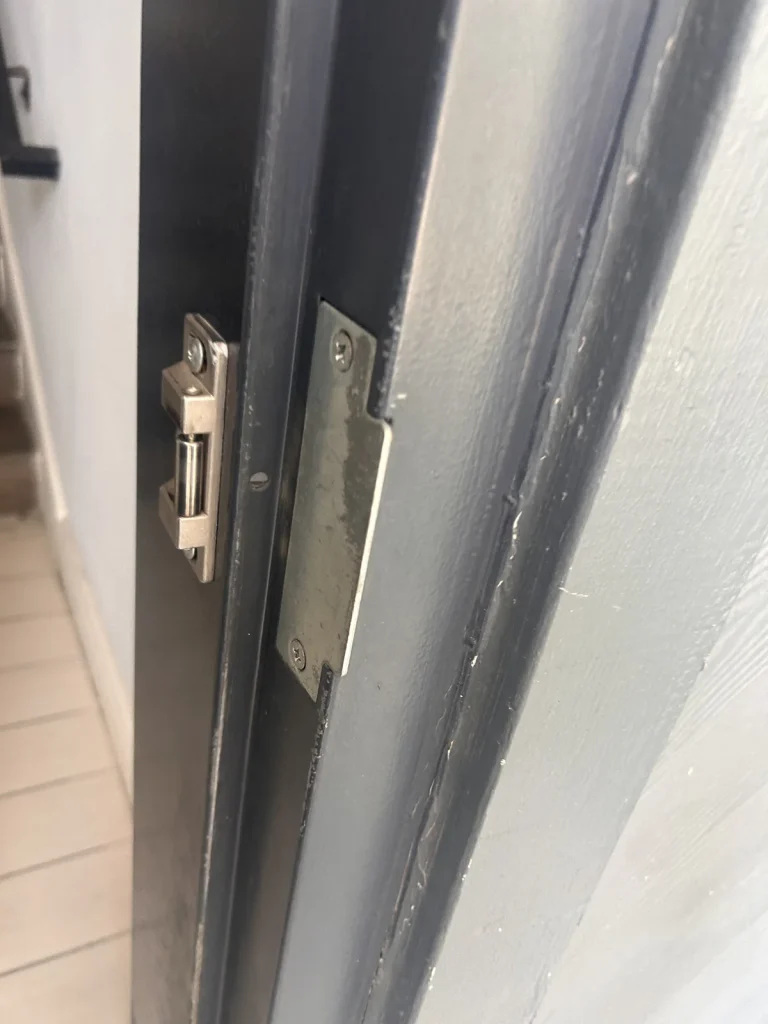
- Door strike and latch guard to help against prying
A quick real-life moment. A property manager once told a resident, “Just pull it tight behind you.” The resident said, “I did.” The camera showed the door never latched because the closer was weak. The lock got blamed, but the closer was the real clown in the circus.
If you are planning a lobby system upgrade, pairing door hardware with Commercial access control systems can help keep entry consistent.
Stairwell doors
Stairwell doors are about safe exit and code rules. They also get abused. People shove carts into them. They get propped open with rocks. Yes, rocks.
What stairwell doors usually need:
- Free egress from the inside, always
- Controlled re-entry rules based on your building type and code
- Hardware that survives slams and still lines up
Common stairwell hardware choices:
- Fire-rated latch or mortise lock when required by the door rating
- Exit device on certain doors, depending on door type and code
- Door closer that is set right so it does not slam or drift
- Latch monitoring or door alarm in places where propping is a constant issue
Risk note, keep it simple. Never add a lock that blocks exit when people need to leave fast. If you are not sure what is allowed on a stair door, ask a pro who works with these doors every week. If you need panic hardware help, see Panic bar installation or Exit device installation.
For general background on exit devices and how they function on doors, you can also review crash bar.
Interior common doors
These are doors to gyms, mailrooms, trash rooms, and pool gates.
Match the lock to the risk and traffic:
- Trash room often needs tough hardware and a closer that can handle people carrying bags.
- Mailroom needs controlled access and a door that shuts and latches clean.
- Gym needs easy access for residents and fast lock changes when fobs go missing.
- Storage rooms usually want stronger locks and tighter key control.
The lock types that make sense in shared spaces
You want fewer headaches. You want fewer rekeys. You want fewer “my key stopped working” texts at 10 pm.
Mechanical locks, simple and familiar
Mechanical locks can work well in smaller buildings or lower traffic areas.
Common options:
- Grade-rated knob or lever locks for light to medium use
- Mortise locks for higher use and better durability
- Deadbolts for doors that need stronger locking, when code allows
A lever handle is usually easier for people carrying packages. Knobs look fine, but knobs and heavy traffic do not always get along.
Keypad and fob systems, less key drama
Electronic access can cut down on lost key problems. It can also give you better control.
Benefits:
- Turn off a lost fob without changing locks
- Track who has access if the system supports it
- Set schedules for vendors in some setups
Watch-outs:
- Batteries need a plan, not a prayer
- Cheap units can fail early under heavy use
- Bad wiring or bad alignment can cause “phantom” lockouts
If you manage a building near the Energy Corridor or off Westheimer, you know how fast tenants come and go. Access control can help, if it is installed and maintained right. Related options include Commercial keyless entry systems and Commercial access control systems.
Exit devices, the push bar people understand
Push bars are common on many commercial doors. People know what to do. Push and go.
They are useful for:
- High traffic doors
- Doors that must allow fast exit
- Doors where you want the latch to catch every time
They need proper alignment and a door that is not sagging. A push bar on a sagging door is like putting new tires on a bent rim. For service related to these devices, see Push bars.
Don’t forget the “supporting cast” hardware
Locks get the blame, but small parts often cause big trouble.
Door closers
A closer is the door’s “return to home” button. If it is weak or leaking, the door may not latch.
Look for:
- Smooth close with a strong latch at the end
- No slamming
- No slow drift that leaves the door cracked open
Hinges and door alignment
A door that drags or sags will chew up strikes and latches.
Signs you need hinge work:
- Rub marks on the frame
- Door hits the threshold
- Latch does not line up with the strike
Weatherstripping and thresholds
In Houston, humidity and rain matter. Water can swell wood doors and warp frames over time. Moist air can also speed up rust on exposed hardware near exterior entries.
Good weather steps:
- Keep weatherstripping intact
- Replace worn sweeps
- Make sure thresholds are stable and not loose
For more general information about Houston’s climate patterns, see Climate of Houston.
What we usually see in Houston, TX
Buildings in Houston face a special mix of heat, humidity, and sudden downpours. That combo can turn “fine last month” into “why is this sticking” fast.
Common things that show up a lot:
- Doors that swell and start rubbing after long humid weeks
- Rust on exterior strikes and screws near uncovered entrances
- Closers that leak and lose strength after heavy daily use
- Frames that shift slightly, then the latch hits the strike like it is missing the target on purpose
If your property is near I-10 corridors, big wind gusts can also slam doors. That can loosen hardware over time.
Picking hardware by traffic, not by guesswork
Traffic is the big clue. Think about how many cycles a door sees each day.
Here is a simple way to size it:
- Low traffic: small office interior door, storage closet
- Medium traffic: shared amenity room, side entry
- High traffic: main lobby entry, stairwell doors in larger buildings
High traffic doors usually need heavier duty locks, better closers, and stronger hinges. It is not about fancy. It is about survival.
Quick comparison table for common area doors
| Door location | Main need | Hardware that often fits | Common failure point |
|---|---|---|---|
| Lobby entry | Controlled entry, smooth exit | Access control, mortise lock, closer | Door not latching |
| Stairwell door | Safe exit, code-friendly | Fire-rated latch, closer, correct trim | Door slams, misalignment |
| Mailroom | Controlled access | Keypad or fob lock, closer | Strike wear |
| Trash room | Tough use | Heavy duty lever lock, closer | Bent latch, loose hinges |
| Gym | Easy resident access | Fob system, lever trim | Battery neglect |
Simple troubleshooting steps that save time
When a door acts up, do a few checks before you blame the lock. Use this quick path.
- If the door does not latch, then check the closer power and door alignment.
- If the key turns hard, then check for sagging, loose hinges, or a dry cylinder.
- If the latch hits the frame, then adjust the strike or fix the door sag first.
- If the keypad beeps but will not unlock, then check the battery and the latch binding.
- If the door swings open by itself, then check air pressure issues and closer settings.
- If the door slams, then slow the closer and check for wind or missing seals.
- If the lock works sometimes, then look for a loose lever, loose screws, or a shifting frame.
Safety note. If a stairwell or exit door is not closing and latching, treat it as urgent. That door is part of your building’s life safety plan.
Common myths and the real facts
Myths spread fast. They ride around like gossip in an elevator.
- Myth: A stronger lock fixes a door that won’t latch.
Fact: Many latch problems come from closers, hinges, or alignment. - Myth: Electronic locks mean no more lockouts.
Fact: Bad batteries, misalignment, and user errors still happen. - Myth: Stairwell doors should always be locked from the stair side.
Fact: Rules vary by building type and code. The safe exit path matters most. - Myth: Spraying oil fixes a sticky lock forever.
Fact: The wrong spray can attract dirt. Cleaning and correct service lasts longer.
Weather in Houston, and why your doors feel “moody”
Houston weather can be like a sweaty handshake. Heat and humidity cause materials to expand. Rain can sneak into frames. Cold snaps can make metal contract.
What that does to common area doors:
- Wood doors can swell and start rubbing
- Metal frames can shift just enough to throw off the strike
- Closers and seals take a beating from heat
- Outdoor hardware can corrode faster near wet entryways
A small seasonal tune-up can stop a lot of nuisance calls.
A care schedule that property managers can actually use
You do not need a giant checklist. You need a rhythm.
Weekly
- Walk common doors and check they close and latch every time.
- Look for doors propped open, and fix the habit with signs or door alarms if needed.
- Listen for scraping or grinding.
Monthly
- Tighten loose screws on levers, closers, and hinges.
- Check strike plates for wear and movement.
- Test access control, confirm fobs and codes work as expected.
- Clean around the latch and strike area.
Yearly
- Have a locksmith inspect high traffic doors for alignment, closer health, and worn parts.
- Replace failing closers before they start slamming.
- Review who has keys or credentials and remove old access.
- Check weatherstripping and thresholds on exterior doors.
Think of it like changing the oil in a truck. Skip it long enough, and the truck still runs, until it does not.
Practical tips for better security without making life annoying
A secure building is good. A building that locks out residents is not good. The goal is steady control.
Try these:
- Use levers, not knobs, on many common doors for easier use.
- Make sure the door always latches before you add more lock parts.
- Keep a clear guest entry plan, intercom, call box, or front desk process. If you want building entry communication options, see Intercom systems.
- Use restricted keyways or controlled key copies when key control is a problem.
- Add brighter lighting near entries so cameras and people can see faces.
Short dialogue you might hear at a front desk:
- Resident: “The door is broken again.”
- Staff: “Does it latch if you pull it tight?”
- Resident: “No, it bounces.”
That “bounce” often points straight to the closer, not the lock.
When you should call a locksmith
Some issues need tools and know-how. Call for help when:
- The door frame is shifting or the door is dragging hard
- You need to rekey shared doors after staff changes (see Commercial lock rekeying)
- You want access control and need it installed clean
- The stairwell door hardware must meet fire door rules
- You have repeat lockouts and want the real cause found
A good fix should last. A band-aid fix just schedules your next emergency.
FAQs
What lock is best for a lobby door in an apartment building?
Many buildings do well with access control, like fobs or codes, plus a strong commercial grade lock body and a reliable closer. The door must latch every time.
Should stairwell doors be locked?
Some stairwell doors are set for controlled entry and free exit, but rules depend on building type and code needs. The door must allow safe exit. A locksmith can review the door and hardware and talk through safe options.
Why does our common door not latch unless you slam it?
Most of the time, the closer is weak, the strike is misaligned, or the door is sagging on hinges. Slamming is a clue, not a solution.
Can Houston humidity really mess with door locks?
Yes. Humidity can swell wood doors, shift alignment, and speed up rust on exposed parts. Regular checks help a lot.
What is the difference between a mortise lock and a basic lever lock?
A mortise lock fits into a pocket in the door and is often stronger for heavy use. Basic lever locks can be fine for lighter traffic doors.
How often should we change keys for common areas?
Change keys or rekey after staff turnover, lost keys, or tenant issues that affect safety. For access control, removing a credential can be faster than changing hardware.
Why do our electronic locks work sometimes, then fail?
Common causes include low batteries, door binding, loose parts, or poor alignment between latch and strike. Electronics still need good mechanical alignment.
Can you fix a door that keeps getting propped open?
Yes, there are hardware and control options, plus closer tuning and door alarms in some cases. Often the best fix also includes making the door easier to use so people stop fighting it.
Scorpion Locksmith helps Houston property managers and building owners choose, install, and service common area door locks for lobbies, stairwells, and shared rooms, with a focus on doors that close, latch, and hold up to daily traffic. Call (281) 623-1517 or visit https://scorpionlocksmithhouston.com/ to schedule service and cut down on lockouts, door damage, and constant rekey stress. You can also reach the team through Contact Us.