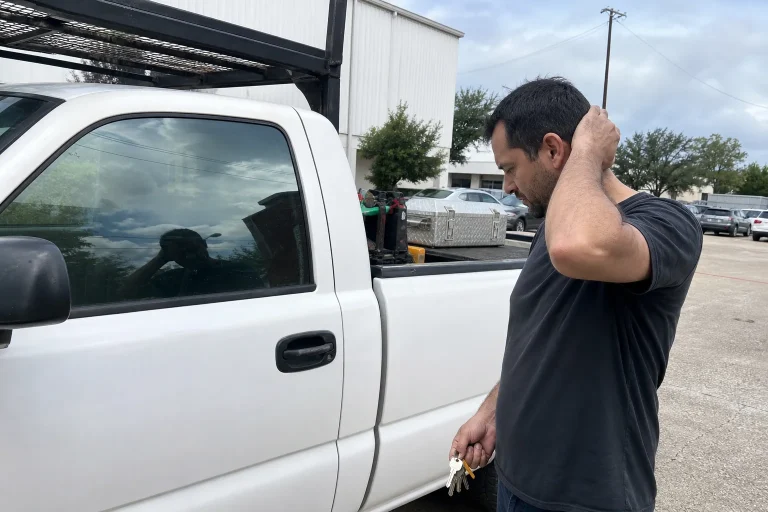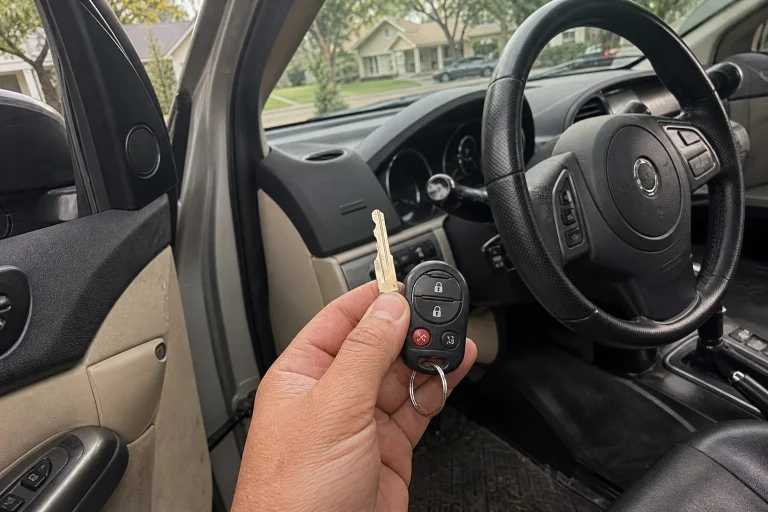
A failing lock cylinder or deadbolt is like a shopping cart with a wobbly wheel. It might still roll, but it fights you the whole way. Repair makes sense when the lock is solid and the issue is dirt, dry parts, or a small misalignment. Replace makes sense when parts are worn out, the key and pins are chewed up, or the lock has been forced. The best choice comes down to part life left, how much downtime you can handle, and what you want your door to do every day without drama.
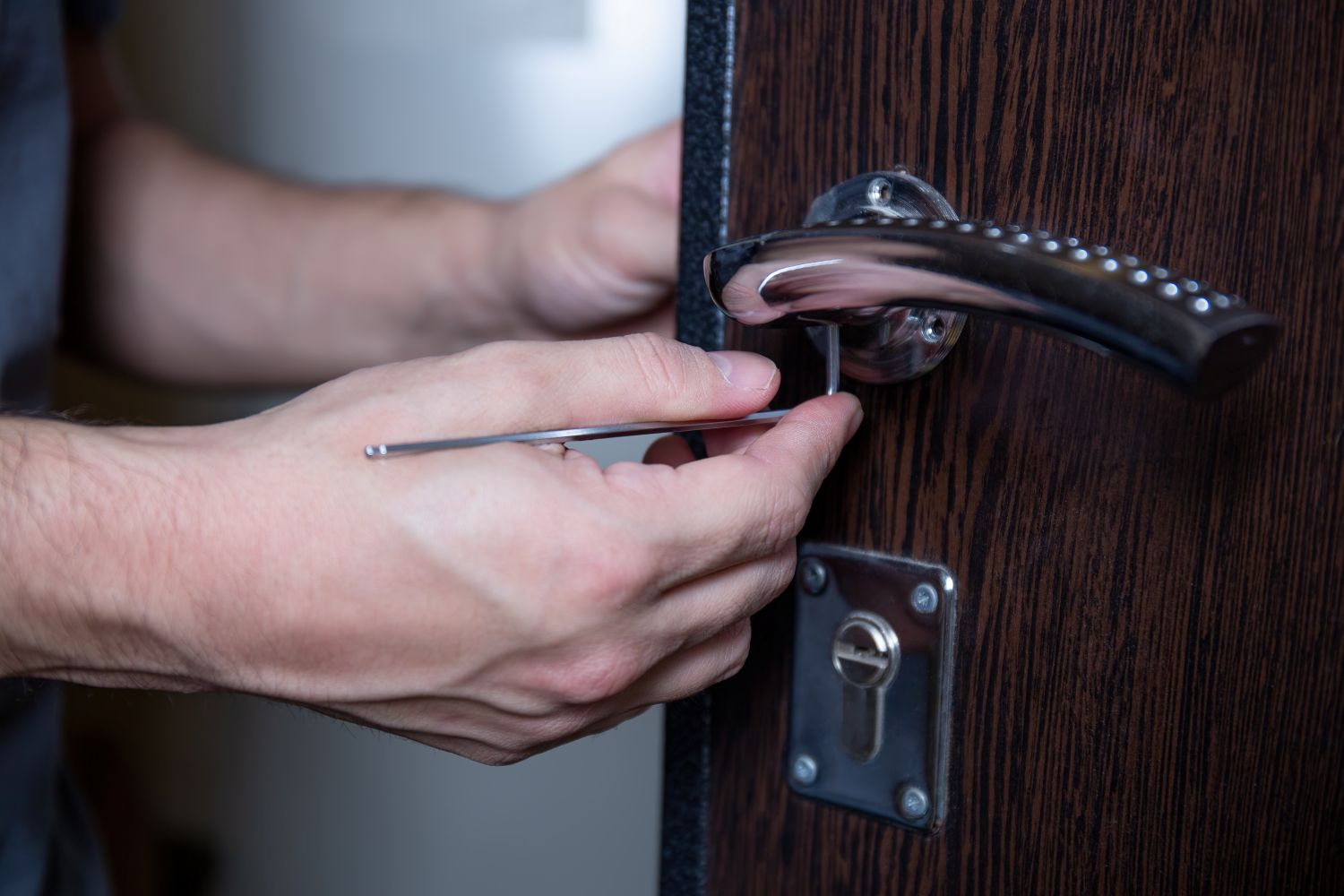
Know what is failing, cylinder, deadbolt, or door parts
People say, “My deadbolt is bad,” but the trouble can live in a few places.
- Cylinder. This is where the key goes. It holds pins and springs that match your key cuts.
- Deadbolt body. This is the chunk inside the door that throws the bolt in and out.
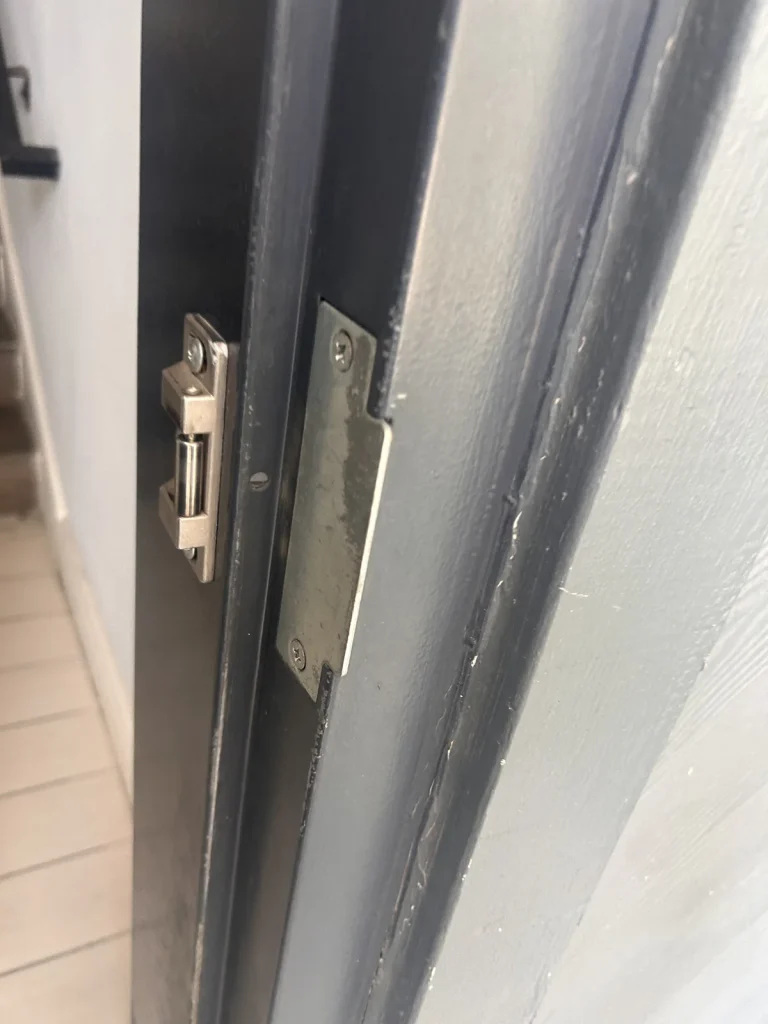
- Strike plate and frame. This is the metal plate on the jamb where the bolt lands.
- Door and hinges. A sagging door can make a great lock feel broken.
If you fix the wrong part, the problem comes back like a boomerang. So start by spotting where the “ugh” is happening. If you need help pinpointing the issue, see Residential locksmith or Emergency locksmith.
A quick story from a front porch
A customer near Westheimer once told me, “The lock hates me.” He was not wrong. His key turned fine at night, but in the afternoon it took two hands and a prayer. We checked the door, then the strike, then the cylinder. The real culprit was a mix of sticky pins and a door that swelled a bit with humidity. A small cleaning and a tiny alignment tweak got him back in business. No big swap needed, and his key stopped acting like it was lifting weights.
Signs your cylinder is failing
A lock cylinder usually fails slowly. It gives hints. Here are the big ones.
- Key goes in, but will not turn without jiggling
- Key comes out only if you wiggle it
- Key sticks at certain points in the turn
- You need a “just right” angle to make it work
- You see metal shavings on the key
- The key starts to look worn or bent
If the key is bent, stop using it. A snapped key in a cylinder is a bad time, and not the fun kind of “bad time.” If a key breaks, Car key extraction can be helpful for similar extraction situations, and for doors/locks you can reach out via Contact Us.
Signs your deadbolt body is failing
Sometimes the cylinder is fine, but the bolt is the grumpy part.
- Thumbturn feels rough or crunchy
- Bolt drags and does not move smoothly
- Bolt does not extend all the way
- Bolt extends, but does not retract without force
- Lock works when door is open, fails when door is closed
That last one often points to alignment, not a bad lock. If you want help with common door and lock issues at home, visit Residential lock repair.
What “repair” can mean for cylinders and deadbolts
Repair can be simple, and simple is nice.
Cylinder repair options that often work
- Cleaning out dust and grit
- Correct lock lubricant, used the right way
- Pin and spring service when wear is minor
- Rekeying if the pins are worn or set wrong for the key
- Fixing a loose cylinder that wiggles in the door
A loose cylinder can make the key feel sticky. It is like turning a doorknob that is half falling off. If rekeying is part of the fix, see Residential lock rekeying.
Deadbolt and door repair options that often work
- Tightening screws on the lock and strike
- Realigning the strike plate
- Fixing a door that rubs the frame
- Adjusting a sagging door
- Replacing only a small internal part when available
Good repair keeps downtime low. Many fixes are quick if the lock is still in decent shape. For installation-related needs, Residential lock installation may apply.
What “replace” can mean, and why it is sometimes the smarter move
Replacement is not defeat. It is just a reset.
You may replace:
- Just the cylinder and keep the same deadbolt body
- The full deadbolt lock including cylinder and bolt parts
- Other door hardware that is causing drag or misalignment
Replacement is often the better pick when wear is high, the lock has been forced, or the lock is a basic model that has already lived a full life. If you know replacement is needed, see Residential lock replacement.
Part life, how to tell if the lock is near the end
Locks wear out like tires. Some last longer with good care. Some get chewed up fast by rough use, dirt, and weather.
Here are clues the lock has little life left:
- Pins feel uneven even after cleaning
- Key works in other doors but not this one
- You have tried a fresh key copy and it still sticks
- The plug feels loose or sloppy when turning
- The lock has a history of jams
- You see damage from a past break-in try
If the cylinder has been drilled, pried, or hammered, replacing it is often the safer route. Repair can only go so far when metal is bent.
Downtime, the hidden cost people forget
Downtime is the time your door is not acting right. That can mean:
- You cannot lock up fast when leaving
- Staff cannot open on time at a shop
- A tenant gets stuck outside
- You have to use a side door, and it is annoying
Ask yourself two questions.
- Can you live with a “temperamental” lock for a week?
- If it fails fully tonight, what happens?
If the answer is “That would be a mess,” you may want a replacement plan ready, even if you try repair first. If you need a faster option, Emergency locksmith support may fit.
Repair vs replace, a simple comparison table
| Issue you notice | Repair is often enough when | Replace is often better when |
|---|---|---|
| Key sticks, then frees up | Dirt, dry parts, small alignment issue | Pins are worn, plug feels sloppy, key shavings appear |
| Works with door open, not closed | Strike plate is off, door sag | Door and frame are fine, bolt or lock parts are worn |
| Thumbturn feels rough | Bolt needs cleaning, minor drag | Internal parts grind, bolt does not move full travel |
| Lock feels loose in door | Mounting screws are loose | Housing is cracked or stripped |
| After a break-in attempt | Only cosmetic scuffs | Cylinder or bolt was forced or damaged |
If this, then that, fast troubleshooting steps
Use this list like a quick map. Do small checks first.
- If the key will not go in, then check for dirt in the keyway, try a known good spare key, stop if it binds hard.
- If the key goes in but will not turn, then test with the door open, if it turns open, look at strike alignment.
- If it turns open but not closed, then check the bolt hole, strike plate, and door sag.
- If the key turns but the bolt does not move, then the deadbolt body may be failing.
- If the thumbturn is stiff but the key is not, then the bolt path or deadbolt body is likely the issue.
- If the lock works only when you lift or push the door, then hinges or frame alignment is the problem.
- If the key is hard to remove, then the cylinder pins may be worn or dirty, and the plug may be binding.
- If you see fresh scratches or pry marks, then check for damage and plan for replacement of the affected parts.
Safety note. If you smell smoke, see sparks, or the door is part of a fire exit setup in a business, stop and get help. Do not change hardware on a fire rated door without knowing what you are doing.
Houston weather, why your lock acts different in summer
Houston heat and humidity can make doors swell a bit. Rain can bring moisture into tiny gaps. Then dust sticks to that moisture, and now you have gritty paste inside moving parts.
Cold snaps can also cause small shifts. A lock that “just barely” works can stop working when metal and wood move.
What helps most is simple:
- Keep the keyway clean
- Use the right lock lubricant, not heavy oil
- Fix door alignment before the lock gets chewed up
If your door faces the street and catches wind driven rain, you may see faster wear. Many homes near older neighborhoods and shaded lots have doors that swell more during long wet weeks. For general background on humidity, see https://en.wikipedia.org/wiki/Humidity.
What we usually see in Houston, TX
In Houston, lock issues often come from daily use mixed with weather, not just “bad locks.”
- Front doors that swell and rub after humid days
- Deadbolts that scrape the strike because the door sags a little
- Keyways packed with grit from parking lot dust at strip centers
- Loose hardware on rental homes where doors get slammed a lot
If you are near I-10 corridors or busy retail areas, doors often get heavy traffic. That speeds up wear, even on decent locks.
Common myths and the real deal
- Myth: If I spray WD-40 in the lock, it will fix it.
Fact: It may work for a short time, then it can leave a film that grabs dirt. Use a lock lubricant made for cylinders. - Myth: A sticky lock means the key is bad.
Fact: A worn key can cause trouble, but sticky pins and door misalignment are just as common. - Myth: If the deadbolt is hard to throw, the lock is broken.
Fact: Many times the strike plate is off by a tiny bit. A small shift can feel huge at the key. - Myth: Replacing the cylinder always makes the door safer.
Fact: Safety is a mix of lock quality, correct install, and a solid door and frame. A great cylinder on a loose frame is like putting racing tires on a lawn mower.
For a basic reference on deadbolts, see https://en.wikipedia.org/wiki/Deadbolt.
Repair vs replace by scenario
If you are a homeowner
If your lock is sticky once in a while, start with repair checks. If the lock has a long history of jams, lean toward replacement. You want the door to work when you are tired, carrying groceries, or rushing kids inside. For homeowner options, Residential lock repair and Residential lock replacement can help.
If you manage a rental
Downtime matters. Tenants do not want to “learn the trick” to open the door. If a lock needs special moves, you will get more calls. Replacement can reduce repeat problems, and rekeying can help with key control after move outs. If rekeying is needed, see Residential lock rekeying.
If you run a small business
A door that fails at opening time is a real problem. Many storefront doors get a lot of turns per day. If a cylinder is near the end, replacement can prevent a surprise lockout for staff and customers. For business doors, visit Commercial locksmith or Commercial lock repair.
A simple care schedule that keeps locks from getting cranky
Keep it easy. If a plan is too hard, nobody follows it.
Weekly
- Turn the deadbolt a few times and notice changes.
- Listen for scraping or grinding.
Monthly
- Tighten visible screws on the lock and strike plate.
- Wipe keys clean, keys carry dirt like little shovels.
Yearly
- Check door alignment. See if the latch and bolt hit the strike cleanly.
- Use a proper lock lubricant if the lock feels dry. Use a small amount.
- If keys are worn, get fresh copies made from the original key, not from a worn copy.
If your door is exposed to heavy rain or you are near salty air on trips to the coast, check more often.
When to stop DIY and call a locksmith
DIY is fine until it is not.
Call for help if:
- The key is bending, twisting, or feels like it may snap
- The lock has been forced or you see damage
- The cylinder spins freely without moving the bolt
- You have a business door that must lock every time
- You need rekeying for security after lost keys or staff changes
No scare talk here. This is just about avoiding a small problem turning into a bigger one.
FAQs
Should I repair or replace a deadbolt that is hard to turn?
If it is hard only when the door is closed, start by checking alignment and the strike plate. If it is hard even with the door open, the lock parts may be worn and replacement may make more sense.
Can humidity really make my lock stick in Houston?
Yes. Humidity can swell wood doors and make parts rub. Moisture can also help dirt cling inside the keyway. That mix can cause sticking and rough turning.
Is it normal for a deadbolt to work with the door open but not closed?
Yes, and it often points to misalignment. The bolt may be hitting the strike plate edge instead of sliding into the hole.
Do I need to replace the whole lock if the cylinder is failing?
Not always. In many cases, you can replace only the cylinder or service it, while keeping the rest of the hardware if it is still solid.
What kind of lubricant should I use for a lock cylinder?
Use a lubricant made for locks. Avoid heavy oils that stay wet and grab dust. Use a small amount, then test the key.
How do I know if my key is the problem?
Try a spare key that is in good shape. If the spare works better, your main key may be worn. If both stick the same way, the lock or door alignment is more likely.
Is a sticky lock a safety risk?
It can be if it keeps you from locking up fast, or if it fails during an emergency exit. It is also a risk if you keep forcing it and break the key in the cylinder.
Can you rekey a lock instead of replacing it?
Yes in many cases. Rekeying changes which key works the lock. It can help after lost keys, move outs, or staff turnover, if the lock hardware is still in good condition.
Need help choosing between repair and replacement for a failing cylinder or deadbolt in Houston, TX? Scorpion Locksmith can inspect the lock, fix alignment issues, service the cylinder, rekey when needed, or replace worn parts so your door works smooth and steady with less downtime. Call (281) 623-1517 or visit https://scorpionlocksmithhouston.com/. For scheduling, use Contact Us.