Mortise lock problems usually show up as a sticky key, a loose handle, a latch that will not catch, or a deadbolt that feels rough. Most fixes are small at first, like cleaning, tightening, or changing a worn part. If the lock body inside the door is damaged, the job takes longer. The good news is that many issues can be spotted early, before your door turns into a grumpy bouncer.
What a mortise lock is, and why it acts up
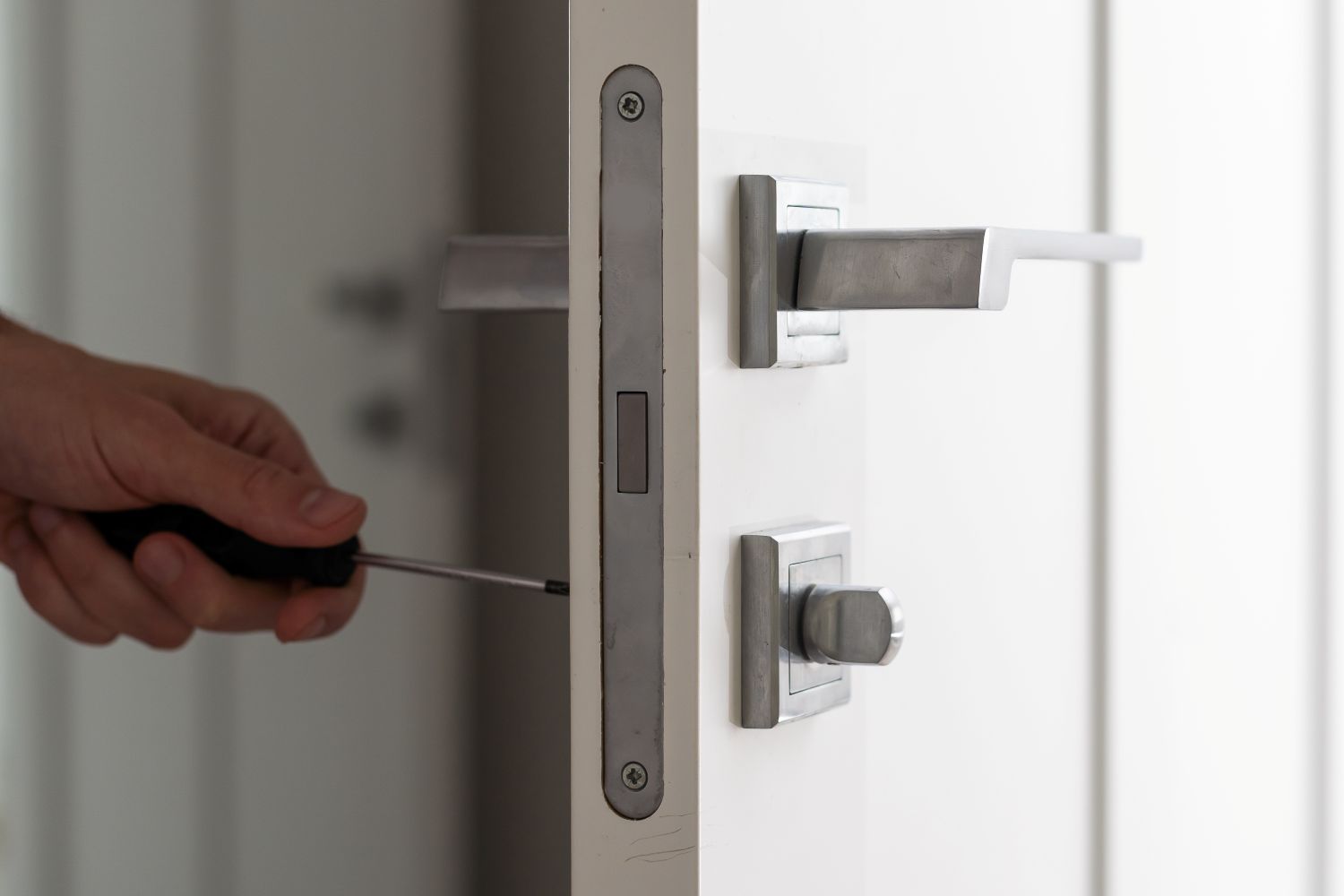
A mortise lock sits inside a pocket cut into the door. That pocket is called the mortise. You mostly see this kind of lock on older homes, office doors, storefronts, and some apartment buildings. They are sturdy, but they have more moving parts than a basic knob lock. More parts mean more places for wear to show up. If you need help with a home entry, Residential locksmith service from Scorpion Locksmith can help assess the issue.
Inside the lock, you may find the latch, deadbolt, hub, springs, cylinder, set screws, and trim. If one piece gets tired, the whole lock can start acting like it woke up on the wrong side of the bed.
A simple key cylinder issue can feel like a full lock failure. A weak spring can make the handle sag. A worn latch can stop the door from clicking shut. Small signs matter here. For business doors and high-use entries, Commercial locksmith service may be the right fit.
Common mortise lock problems you should not ignore
The key is hard to turn
This is a big clue. If the key drags, sticks, or needs a wiggle dance, the cylinder may be dirty, worn, or out of line. The door itself may also be pulling the lock out of line.
A few causes are common:
- Dust and grime inside the cylinder
- Worn key cuts
- Bent or tired cylinder parts
- Door sag that puts pressure on the bolt
- Humidity that swells a wood door
If your key works only when you pull or push the door, alignment is a likely suspect. In some cases, Residential lock repair or Commercial lock repair may be needed.
The handle feels loose or floppy
A loose handle often points to a worn hub, weak spring, loose screws, or trim that shifted over time. A handle should return to its normal spot after you let go. If it droops like it just finished a double shift, a spring may be failing.
This issue can get worse fast. Once the handle stops pulling the latch back fully, the door may not open when you need it to.
The latch will not catch
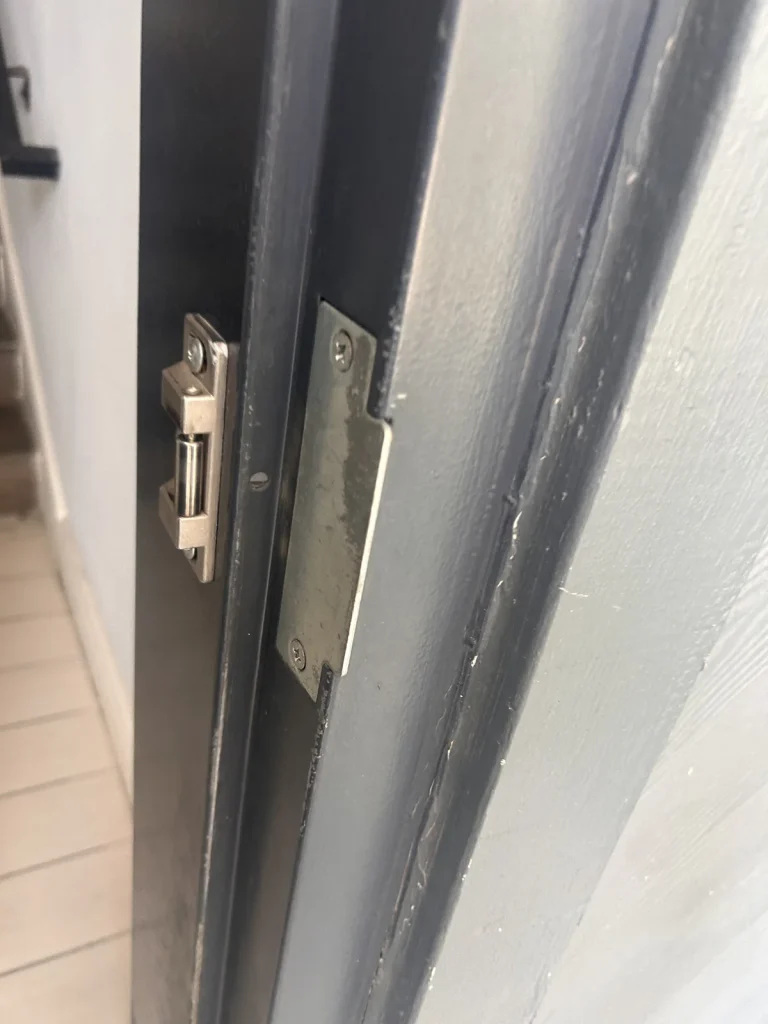
You close the door, hear nothing, and the door pops back open. That usually means the latch and strike plate are not lining up. It can also mean the latch is worn or sticky.
This shows up a lot on doors that get heavy use. Think office entries, small retail doors, and side doors that get slammed when arms are full of gear. If the latch area or hardware needs attention, Residential lock installation or Commercial lock installation may be relevant depending on the door.
The deadbolt does not throw all the way
A deadbolt should move with a firm but smooth feel. If it stops halfway or grinds, the lock may be dirty, misaligned, or worn inside. If you must force it, stop. Pushing harder can turn a small repair into a bigger one.
The lock works from one side, but not the other
This often points to a cylinder issue, a spindle problem, or trouble inside the mortise case. On some locks, the inside trim may be loose while the outside cylinder is still okay. That split behavior is a clue worth noting.
The door sticks only in certain weather
Houston weather loves to stir the pot. Heat and humidity can swell wood doors and frames. Rain can raise moisture around an entry. Even a metal frame can shift a bit with temperature changes. If the lock acts up only after a storm or during a hot stretch, the lock may be fine and the door alignment may be the real troublemaker. For more on local climate patterns, see Houston.
Parts often replaced in a mortise lock
Not every bad lock needs full replacement. Many times, a locksmith changes only the worn piece.
Here are the parts often replaced:
| Part | What it does | Common symptom |
|---|---|---|
| Cylinder | Reads the key and turns the lock | Key sticks, key will not turn |
| Latch bolt | Keeps door shut when closed | Door will not latch |
| Deadbolt | Adds security when locked | Bolt jams or stops halfway |
| Hub | Connects handle movement to latch | Handle feels loose or spins |
| Springs | Return handle to resting spot | Handle droops |
| Set screws | Hold trim and parts in place | Wobble, loose handle, shifting trim |
| Strike plate | Receives latch or bolt in frame | Door will not close right |
| Mortise case | Main body inside the door | Many functions fail at once |
If the mortise case is cracked or badly worn, the repair takes more time. If the issue is only the cylinder or trim, the job is often quicker. When parts need full replacement, Residential lock replacement or Commercial lock replacement may be needed.
How long mortise lock repairs usually take
Repair time depends on the part, the age of the lock, and how much wear has built up.
Quick fixes
Small jobs may take a short visit:
- Tightening screws
- Minor alignment work
- Cleaning debris from the cylinder area
- Small trim adjustments
Medium repairs
These can take longer because parts need fitting and testing:
- Replacing a cylinder
- Replacing springs or hub parts
- Adjusting the strike plate and latch fit
- Fixing handle return issues
Longer repairs
These jobs take more care:
- Replacing the full mortise lock body
- Repairing door pocket wear
- Matching older lock parts
- Correcting frame and door alignment together
Older doors can be tricky. A mortise lock from years ago may not match modern parts exactly. That is where careful fitting matters. You do not want a rough fit on a lock that gets daily use. If the issue becomes urgent, Emergency locksmith service may help.
What causes mortise lock trouble in the first place
Wear is the top reason. A lock gets used again and again. Parts rub, springs weaken, screws loosen, and keys wear down.
Then the door joins the party.
A sagging hinge can pull the door down just enough to throw off the latch. A frame can shift. Wood can swell in humid weather. A business entry near a parking lot can collect dirt fast. A side door may get slammed by the wind. All of that affects how a mortise lock works.
Around Houston, TX, we often see trouble after long humid stretches, heavy rain, and strong summer heat. Older doors in places near Midtown or storefronts off Westheimer can start showing alignment issues first, then lock issues right after. Commercial glass doors and solid wood side entries are common trouble spots. General lock guidance can also be found from trusted resources like USA.gov.
Simple troubleshooting steps that help you spot the issue
Use this quick guide before the lock gets worse:
- If the key turns only when you push or pull the door, then check door alignment and the strike plate.
- If the handle droops, then the spring or hub may be worn.
- If the door will not latch unless slammed, then look for latch and strike misalignment.
- If the deadbolt jams halfway, then stop forcing it and check for bolt alignment or debris.
- If the lock works from inside but not outside, then the cylinder or outside trim may be failing.
- If the key is rough in every season, then the cylinder may be worn.
- If the problem shows up after rain or muggy days, then door swelling may be part of it.
A small safety note here, if a lock is sticking on your main entry, do not wait too long. A lock that works only some of the time likes to fail at the worst time. Locks have a sense of humor, and it is not always funny. If you need direct help, visit Contact Us.
What you can do, and what you should leave alone
There are a few safe steps a property owner can try.
Check for loose screws on the trim and handle. Make sure the strike plate is not bent. Look at the door gap around the frame. If the gap is uneven, the door may be sagging. Try the lock with the door open, then closed. That test tells you if alignment is part of the issue.
Skip forcing the key. Skip slamming the door harder. Skip taking apart the lock body unless you know the lock well. Mortise locks have small internal parts that can be fussy. One little spring can launch like it is trying out for space camp.
If the issue feels mechanical, or the lock is on a business entry, it is smart to have it checked by a locksmith. Scorpion Locksmith can be reached at (281) 623-1517 or through Contact Us.
A few common myths, and the facts
Myth, if I spray any lubricant in the keyway, the lock will be fixed.
Fact, the wrong spray can trap dirt and make the cylinder worse.
Myth, if the deadbolt is hard to turn, I just need more force.
Fact, forcing a bolt can damage the cylinder, key, or lock body.
Myth, if the handle is loose, it is only a cosmetic issue.
Fact, a loose handle often points to worn working parts inside.
Myth, old mortise locks always need full replacement.
Fact, many can be repaired with the right part and proper fitting.
Care plan that keeps a mortise lock working longer
A little care goes a long way. Think of it like changing the oil in a truck. Skip it for too long, and the whole thing starts complaining.
Weekly
- Use the lock gently, no slamming or key forcing
- Notice any change in feel
- Check if the handle returns right away
Monthly
- Wipe dirt from the faceplate, trim, and strike area
- Check for loose screws on handles and trim
- Look at the door gap for sag or rubbing
Yearly
- Have the lock checked if it gets heavy daily use
- Inspect hinges and frame alignment
- Replace worn keys before they wear the cylinder more
In Houston, weather can speed up wear. Humidity can swell wood doors. Rain can affect older frames. Summer heat can dry and shift materials. A yearly check is a smart move for doors that see a lot of traffic. If service is needed, Residential lock rekeying or Commercial lock rekeying may also be part of the solution depending on the hardware.
What we usually see in Houston, TX
Most local mortise lock issues are not mystery problems. They are wear plus weather plus door movement.
Common patterns include:
- Wood doors that swell after humid weather
- Storefront locks that collect dirt from daily traffic
- Older entry doors with sagging hinges
- Loose handles on busy office doors
- Strike plates that no longer line up after frame shift
If your place is near the Galleria area or close to older commercial strips, your lock may deal with lots of use and plenty of dust. That combo can wear parts faster than people expect.
Repair or replace, how to tell
Repair makes sense when the main lock body is still sound, the parts are available, and the issue is limited to a cylinder, spring, latch, or alignment problem.
Replacement may make more sense when:
- The mortise case is cracked
- Several parts failed at once
- The lock is badly corroded
- The door security is poor
- Parts no longer fit or cannot be matched well
The goal is smooth use, secure locking, and a door that closes right without a wrestling match.
FAQs
How do I know if my mortise lock is bad?
Watch for a sticky key, loose handle, poor latching, rough deadbolt movement, or a lock that works only from one side. Those are common signs of wear or alignment trouble.
Can a mortise lock be repaired, or does it need replacement?
Many mortise locks can be repaired. A locksmith may replace the cylinder, springs, latch, hub, or trim parts. Full replacement is more common when the lock body is damaged or parts no longer match.
How long does mortise lock repair take?
Small fixes can be done in a short visit. Part replacement or alignment work can take longer. Full lock body work takes more time, since fitting and testing matter.
Why does my mortise lock stick more when it rains?
Rain and humidity can swell a wood door or shift the frame enough to change how the latch or bolt lines up. The lock may not be the only issue.
Is it safe to keep using a sticky mortise lock?
It may still work for a while, but it can fail without much warning. If the main entry lock is sticking, it is smart to get it checked soon, especially if you need that door every day.
Can I fix a loose mortise lock handle myself?
You can check and tighten visible screws. If the handle still droops or spins, the spring or hub may be worn inside. That usually needs a closer repair.
What kind of doors use mortise locks?
You often see them on older homes, office doors, apartment entries, and storefront doors. They are common where stronger hardware and frequent use go together. Property owners with apartment entries may also look at Locksmith for apartments.
Does Houston heat affect door locks?
Yes. Heat, humidity, and rain can affect door fit and lock alignment. In many cases, the lock issue starts with the door shifting just a bit.
If your mortise lock is sticking, sagging, jamming, or just acting like it needs coffee before it can work, Scorpion Locksmith can help with repair, parts replacement, and lock service in Houston, TX. Call (281) 623-1517 or visit https://scorpionlocksmithhouston.com/ to get help from a local locksmith and keep your door working smoothly and safely.