
Automotive Locksmith
Lost Only Car Key? What to Do Before You Order a Replacement
Lost your last car key? Gather your vehicle details, ID, ownership papers, and exact location before you request a replacement.
License Number: B09416401
Mailbox Lock Replacement In Houston from Scorpion Locksmith with same day service USPS compliant locks two keys included and clear pricing. Call for fast help
Restore secure access to your mailbox with help identifying and replacing a worn, damaged, or missing-key lock.
Mailbox lock replacement in Houston replaces a worn, damaged, or missing-key lock so you can collect your mail and secure the door again. Scorpion Locksmith helps Houston, TX residents identify the correct lock, confirm access permission, and address fit problems before checking that the replacement works properly.
A mailbox key is small, but losing it can interrupt your whole routine. Bills, personal letters, and replacement cards may sit behind a door you cannot open.
Have you lost your only key, or does the lock resist every turn? Call (281) 623-1517 or visit Scorpion Locksmith to discuss your mailbox and the next steps.
Mailbox lock replacement usually involves removing the existing lock cylinder and fitting a compatible replacement into the same door. If the mailbox body and door remain sound, replacing the entire box may not be necessary.
The cylinder is the part where you insert your key. Behind it, a small metal arm, often called a cam, turns to hold the door closed or release it.
The replacement must match more than the visible opening. Cylinder length, mounting style, cam shape, and turning direction all affect whether the door closes and stays latched.
Our approach starts with the whole door, not just the keyhole. A new lock cannot correct a bent door or damaged frame by itself, so those conditions need attention during the assessment.

A missing key can call for lock replacement even when the lock still works, while a sticking key may point to wear or alignment trouble. Knowing what changed helps us assess the problem without jumping to a conclusion.
Think about the last time the mailbox worked normally. Did the key become harder to turn gradually, or did the problem begin after someone pulled on the door?
A troublesome lock rarely improves through extra force. If the key starts bending, stop before a replacement visit also involves removing a broken key.
Mailbox ownership and management determine who can approve a lock change. Some boxes belong to individual property owners, while others fall under a landlord, association, building manager, or postal service.
A shared mailbox location does not settle that question by itself. A cluster unit may have individual resident doors and separate access reserved for postal use.
When arranging locksmith help for an apartment, ask who manages the mailbox before requesting changes.
We focus on the lock you have authority to replace. Postal master access and collection locks are separate from resident locks and should be handled through the appropriate postal channel.
Do not assume a lock advertised as a mailbox lock will suit every box. Compatibility and permission both matter before installation.
Moisture, windblown grit, and repeated outdoor exposure can contribute to mailbox lock trouble in Houston, Texas. The effect depends on the box’s condition, location, and protection from rain.
A curbside box may receive direct rainfall, while a covered community unit can still collect humidity and dust. Corrosion near the key opening or inside the latch area can make movement rough.
Weather is not always the main cause. A loose mounting nut, worn cam, or door that no longer sits square can produce similar symptoms that need assessment before lock repair or replacement.
Look at the door before blaming the cylinder alone. If lifting or pressing the door changes how the key turns, latch pressure or alignment may be involved.
Tell us whether the problem gets worse after rain. That detail can help separate an exposed-hardware issue from ordinary key or lock wear.
The correct replacement depends on the mailbox construction and the lock fitted to it. A lock that looks close may still have the wrong reach, rotation, or mounting hardware.
When discussing mailbox lock replacement in Houston, we ask about the box type because it shapes the work. Photos of the front, lock face, and any visible model label can help.
Parcel compartments may use a different access system from regular resident mailboxes. Tell us which compartment is affected so we can discuss the correct route before a visit.
Replacing an authorized mailbox lock can help a new resident control which keys operate that compartment. Receiving a key at move-in does not tell you whether earlier copies still exist.
Start by checking the handover information from your seller, landlord, or property manager. Confirm the mailbox number rather than relying only on its position in a shared unit.
Does your key open a door that appears to belong to another address? Stop using it and contact management so the assignment can be checked.
For rental properties, coordinate the change before work begins. Management may need to approve the hardware, update its records, or explain how replacement keys should be handled.
A mailbox change is also worth discussing after keys go missing with identifying information. Explain the circumstances when you call so we understand the access concern.
The service visit begins by confirming the mailbox, your authority to request work, and the condition of the lock and door. That keeps the work focused on the correct compartment and actual problem.
The exact steps depend on whether the door is open, locked, or damaged.
If opening the box requires drilling the old cylinder, that cylinder will need replacement. We discuss the approach based on the condition found rather than treating every mailbox the same way.
A replacement lock needs the right dimensions and latch movement to secure the mailbox without binding. An almost-correct part can turn normally while leaving the door poorly latched.
The cam must reach the intended catch and move clear when opened. If it presses too hard against the frame, the key may feel stiff even though the cylinder is new.
We also check the lock with the door open when useful. Comparing open-door and closed-door movement can reveal pressure that only appears when the latch engages.
A straightforward lock replacement has fewer steps than work on a locked, corroded, or damaged mailbox. The schedule also depends on technician availability and whether the correct hardware can be identified before the visit.
We do not treat every mailbox as a fixed-time job. A familiar cylinder in a sound door is different from an older assembly with missing or altered parts.
Ask about current scheduling when you call. Sharing useful photos and a clear description gives us a better starting point than “the little lock is broken,” though we hear that description plenty.
Gentle testing can help describe a problem, but forcing a mailbox lock can cause more damage. Stop if the key bends, the door flexes, or the cylinder begins pulling away from its mounting point.
Do not insert wire, screwdrivers, or improvised tools into the keyway. They can damage internal parts and make later removal harder.
Avoid pouring household oil into the lock. Some products collect dirt or leave residue that interferes with the small moving parts.
If you see signs of forced entry, document the condition before disturbing it. Report suspected mail theft through the appropriate postal reporting channel, and contact local authorities when needed.
A replacement lock addresses the locking point, not missing mail or a badly damaged enclosure. Keep those concerns separate so each receives the right attention.
A clear description of the box, location, and access issue helps us prepare for the visit. You do not need to know the technical name of the cylinder.
Gather what you can without opening another resident’s compartment or touching postal access hardware.
Is the mailbox behind a gate or inside a controlled-access building? Tell us how an authorized visitor can reach it.
Avoid sending photos that expose personal mail or account information. A clear view of the hardware is more useful than a close-up of an envelope.
The replacement should operate smoothly and hold the door closed under normal use. Before finishing, we check more than whether the key turns once.
Try the key yourself so you know how the new lock feels. Close the door normally, turn the key, and gently check that the latch holds.
Ask about the key quantity during scheduling rather than assuming a specific number. If you need additional copies, discuss compatibility and any restrictions that apply to the selected lock.
Regular checks and gentle use can reduce avoidable strain on mailbox hardware. The goal is to notice small changes before you find yourself holding a key that will not turn.
Keep the key clean and avoid using a visibly bent copy. A damaged key can put uneven pressure on the cylinder.
Follow the lock maker’s care instructions for lubrication, if any. Do not mix products or apply large amounts in hopes of washing out a problem.
Watch for a door that starts sagging, a cylinder that becomes loose, or fresh corrosion around the mounting area. Those changes may need attention beyond the keyway.
Store a spare key in a secure place away from the mailbox. Under the box is convenient for you, but unfortunately it is convenient for everyone else too.
Scorpion Locksmith keeps the discussion focused on permission, compatible hardware, and dependable door operation. We explain what needs checking rather than assuming every access problem requires the same solution.
That matters for Houston homeowners, tenants, and property contacts managing shared mailboxes. The right next step may begin with a photo, a management call, or confirmation from the local Post Office.
We also look beyond the cylinder when the symptoms point elsewhere. Replacing a lock without noticing a bent latch or loose door can leave the original frustration unresolved.
Tell us what happened and what you have already tried. Useful information helps us plan the work without asking you to become a mailbox mechanic overnight.
Scorpion Locksmith can help you plan mailbox lock replacement in Houston after reviewing the mailbox type, access issue, and permission requirements. Whether your key is missing or the lock has become unreliable, start with a clear description of the problem.
Have your address, mailbox number, and any available photos ready. If ownership is uncertain, check with your property manager or local Post Office before arranging changes.
Call (281) 623-1517 or contact us to discuss service in Houston, TX. We will help you identify the next step toward a mailbox that opens, closes, and locks properly.
Mailbox lock replacement is the process of changing the lock on your mailbox to ensure only authorized individuals have access.
You should consider replacement if your mailbox key is lost, stolen, damaged, or if you move into a new residence.
No, but it's best to check with your property manager or postal service before replacing the lock, especially if it's a community mailbox.
Most replacements are completed quickly, often in a single visit.
Yes, new keys are provided when Scorpion Locksmith replaces your mailbox lock.
No, Scorpion Locksmith can replace the lock even if you don’t have the original key.
Yes, professional locksmiths like Scorpion Locksmith use proper methods to ensure your mailbox remains secure.
Yes, Scorpion Locksmith offers flexible scheduling to fit your needs.
Scorpion Locksmith can replace locks on most standard residential mailboxes, including both private and communal types.
Simply contact Scorpion Locksmith by phone or online to schedule your service.
Lost your last car key? Gather your vehicle details, ID, ownership papers, and exact location before you request a replacement.
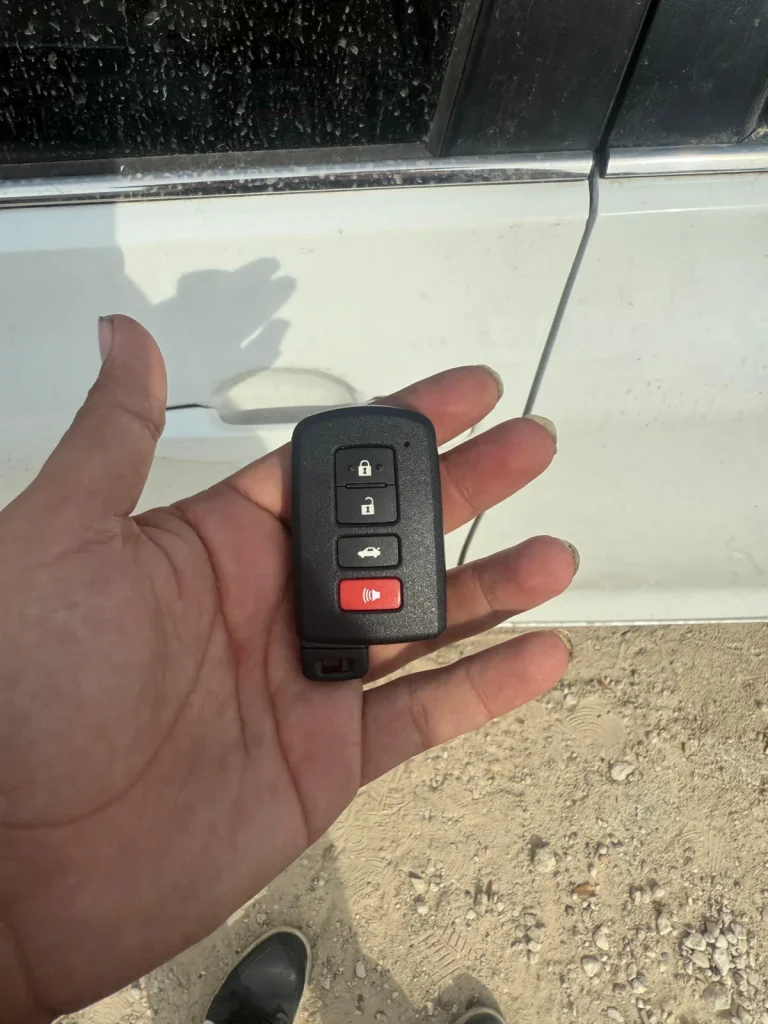
A car key fob stopped working can point to a weak battery, damage, lost pairing, or a problem with the car. Start with a few safe checks before arranging programming or replacement.

A key control policy for small teams is a short set of rules for who