
Automotive Locksmith
Lost Only Car Key? What to Do Before You Order a Replacement
Lost your last car key? Gather your vehicle details, ID, ownership papers, and exact location before you request a replacement.
License Number: B09416401
Residential Lock installation In Houston by Scorpion Locksmith. Local pros 24 7 same day smart locks deadbolts upfront pricing 30 min arrival 1 year warranty
New home locks start with the right door fit.
Residential lock installation in Houston involves fitting new locks, checking door alignment, and making sure each latch and bolt works correctly. Scorpion Locksmith helps Houston, TX homeowners choose compatible hardware, replace worn locks, and add practical access options for front doors, back doors, side entries, and other home entrances.
A good lock should work without lifting the door, forcing the key, or pulling hard on the handle. The hardware, door, and frame need to work together. A sturdy deadbolt cannot do its job well if the surrounding wood is damaged.
Are you replacing a loose handle, moving into a home, or switching to keypad access? We can discuss your doors, how your household uses them, and what you want to change. Call (281) 623-1517 to talk with Scorpion Locksmith about your installation.
Residential lock installation includes checking the opening, fitting compatible hardware, and testing the complete lock operation. Depending on the door, the work may involve replacing an existing lock or preparing an opening for different hardware.
Exterior doors often use a locking handle with a separate deadbolt. Interior doors usually need simpler passage or privacy hardware. Each lock should match its purpose without making everyday movement difficult.
Tell us about every door you want checked.
Looking at the full entry setup helps prevent an overlooked side door from becoming the weak spot.
A lock that sticks, loosens, or fails to latch needs an inspection before you depend on it. These symptoms can come from worn hardware, loose fasteners, or a door that no longer sits correctly in its frame.
Does your deadbolt turn easily with the door open but resist when it closes? That often points to alignment rather than a faulty cylinder. Installing another lock without checking the fit may leave the same problem behind.
Do not force a stubborn key. A bent or broken key adds another problem to an already uncooperative door.

A move is a good time to decide who should have access to your home. Previous occupants may have shared keys with relatives, neighbors, contractors, or other visitors.
Replacing every lock is not always necessary. If existing hardware is suitable and works correctly, rekeying may change which keys operate it without replacing the entire lock. New installation makes more sense when hardware is worn, incompatible, or missing the features you want.
For keypad locks, review old access codes too. A fresh key plan should include electronic access, not just the keys on your ring.
A deadbolt works best when its bolt extends fully into a correctly fitted strike opening. The lock body matters, but the condition of the door edge and frame matters too.
We check the existing holes, door thickness, and distance from the door edge to the lock center. That last measurement is called the backset. Replacement hardware needs to match these measurements or require suitable changes to the door.
The strike plate receives the bolt when the door closes. Loose screws, damaged wood, or a shallow opening can prevent proper operation even with new hardware.
For larger frame damage, carpentry work may be needed before installation. We can explain when the lock is only part of the issue. New hardware should not hide a split frame and call the job finished.
Keypad locks allow code-based entry, while some smart locks also support connected controls. Not every keypad lock needs Wi-Fi, and not every connected model includes the same functions.
Think about how you want to use the door. Do you want family members to enter without carrying keys? Would separate visitor codes help you manage occasional access?
Electronic hardware still needs correct alignment. A motor should not have to fight the door every time it extends the bolt. Connected features cannot fix a sticking frame.
The best handle style is one your household can operate comfortably and consistently. A front entrance may call for a handleset, while another door may work better with a lever and separate deadbolt.
Consider who uses each entrance. Small children, older relatives, and people with limited hand strength may find some controls easier than others. Try the operation before choosing based only on appearance.
Interior privacy locks serve a different purpose from exterior security locks. Bathroom and bedroom hardware commonly provides privacy rather than protection against forced entry.
For doors where children could accidentally lock themselves inside, check the emergency release method. Keep the proper release tool accessible to an adult, not inside the locked room. The bathroom should not become an escape-room challenge.
Accurate measurements help avoid hardware that looks right in the package but does not fit the door. Hole size, spacing, door thickness, and backset all affect compatibility.
An older home may have unusual preparation or a mortise lock fitted into a pocket within the door edge. Those openings need a different approach from common cylindrical locks.
If you are unsure about a measurement, ask before drilling. Enlarging a hole is much easier than putting the missing door material back.
Residential lock installation in Houston should begin with the door’s condition, not just the new lock box. Scorpion Locksmith checks how the existing entry closes and identifies fit concerns before proceeding.
A typical installation follows these steps.
If we find damage or a mismatch, we explain the issue before making further changes. Clear decisions at this stage help avoid unnecessary holes or hardware substitutions.
A direct replacement usually involves less work than adding a lock to an unprepared door. The actual time depends on what the inspection finds and how much setup the chosen hardware requires.
Older doors can reveal enlarged holes, missing screws, worn edges, or previous modifications. A new handleset may also leave exposed marks if its shape differs from the old hardware.
Tell us if you have a firm scheduling limit. Sharing door photos and the lock model beforehand can help us understand the job, though an on-site inspection may reveal additional needs.
A home lock must support secure entry control without creating an unsafe exit. Hardware choices should account for the people using the door and the need to leave quickly.
Some deadbolts use a key on both sides. Those models can create exit concerns if the inside key is missing. Do not assume they are the right choice simply because a door has nearby glass.
If a door has special fire-safety requirements or property restrictions, confirm those before changing its hardware. Lock selection should respect the whole opening.
Clearing the work area and gathering lock information helps us focus on the installation. You do not need to remove existing hardware before the visit.
If you rent, confirm permission before replacing locks. For a home managed by an association or property manager, check any hardware restrictions that apply.
Please do not send account passwords with your door photos. You can enter private account details yourself during setup.
Heat and moisture changes can affect some doors and surrounding materials. In Houston, Texas, an exposed entrance may behave differently from a covered doorway.
Wood can change with moisture conditions, and weatherstripping can place pressure on a closed door. These changes may shift how the latch or deadbolt meets the strike opening.
A useful check is to operate the lock with the door open, then repeat with it closed. If it works easily while open but binds while closed, mention that during your call.
We consider these symptoms during installation rather than assuming every sticking lock needs replacement. Persistent movement, water damage, or a sagging frame may require work beyond the lock itself. The goal is a usable entrance, not just a new handle.
A finished installation should be tested from both sides under normal door conditions. The lock needs to work when the door is closed, not just while it stands open.
You should also try the hardware yourself. If the handle feels awkward or an electronic setting is unclear, that is the time to ask. Daily operation should make sense to the people who live there.
New locks need occasional checks and care that follows the manufacturer’s instructions. Dirt, loose fasteners, and ignored alignment changes can affect operation over time.
Avoid spraying random household products into the keyway. Some products can attract residue or interfere with the mechanism.
For connected locks, keep account access current and protect it with a strong password. Store any backup key somewhere sensible outside the locked home, not under the nearest flowerpot.
Scorpion Locksmith helps you approach residential lock installation in Houston with clear information about fit, function, and everyday access. We focus on the door you have and the way your household uses it.
Ready to replace worn hardware or discuss a keypad lock? Tell us how many doors need attention, what is installed now, and whether anything sticks or feels loose.
Call (281) 623-1517 or contact us to discuss residential lock installation in Houston, TX. We can review your needs and help you plan the next step.
New locks can improve your home’s security and give you peace of mind knowing your property is better protected.
You should consider new locks if yours are old, damaged, hard to use, or if you’ve recently moved or lost keys.
Yes, Scorpion Locksmith can install locks on most types of residential doors.
You can choose from deadbolts, handle locks, smart locks, and other options based on your needs.
The process is usually quick, often completed in a single visit.
Yes, someone should be at home to allow access for the locksmith and to discuss your preferences.
Yes, removing old locks is part of the installation process.
Yes, Scorpion Locksmith can offer advice on choosing the most suitable lock for your situation.
You can either provide your own locks or ask Scorpion Locksmith to supply them for you.
You can contact Scorpion Locksmith by phone or through their website to arrange an appointment.
Lost your last car key? Gather your vehicle details, ID, ownership papers, and exact location before you request a replacement.
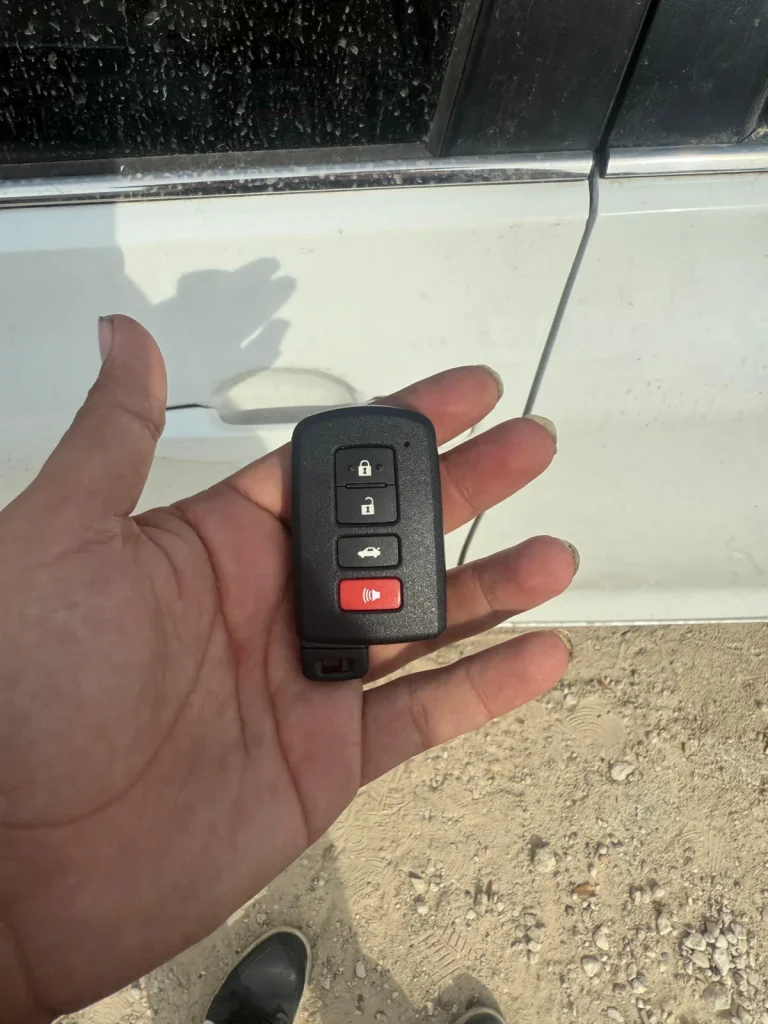
A car key fob stopped working can point to a weak battery, damage, lost pairing, or a problem with the car. Start with a few safe checks before arranging programming or replacement.

A key control policy for small teams is a short set of rules for who